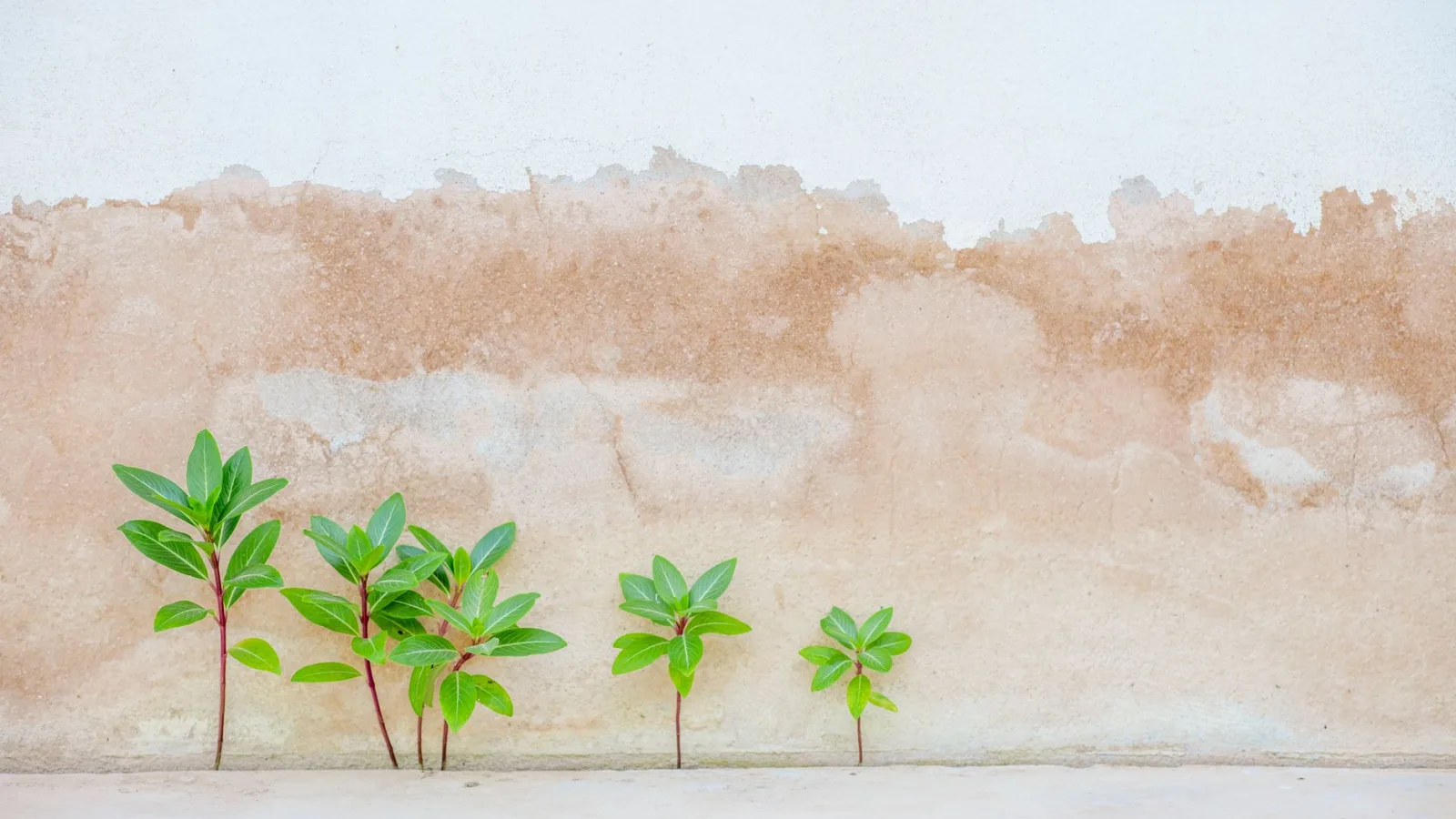
It's late September in the Northern Hemisphere, and the atractylodes (sapju in Korean) plants we picked young shoots from this spring have sent up white flowers. The leaves are deeply lobed, and every edge bristles with tiny spines. In October and November, the thickened rhizomes will be ready to dig. The same plant gives you shoots in spring and rhizomes in autumn. So how does each part find its way to us?
When the Young Shoots Meet the Tongue
Atractylodes is a perennial in the aster family that grows on sunny mountain slopes. Its young spring shoots emerge wrapped in silvery-white down. Picked at this stage, then blanched and seasoned, they make a wonderfully fragrant namul (blanched, seasoned greens). The shoots keep a pleasant chew even after blanching, thanks to their dietary fiber.
The aroma is credited to the plant's essential oils. Researchers analyzing the rhizomes of Atractylodes species have repeatedly isolated and reported lactone compounds known as atractylenolides, along with the essential oils. Keep in mind that these studies only identify which compounds are present. They make no claims about curing or preventing disease.
How to Enjoy the Spring Shoots
This is a strongly aromatic mountain green, so a light hand with seasoning lets its true flavor come through. In April and May (in the Northern Hemisphere), pick young shoots that still have their down and try one of these:
- Dressed with perilla oil: Toss the blanched shoots with nothing more than perilla oil (pressed from roasted perilla seeds) and salt. Eat them right away.
- Jangajji (soy-sauce pickles): Rinse the shoots without blanching and let them dry. Bring soy sauce, vinegar, and sugar to a boil, let the brine cool, and pour it over the shoots. After three days, drain off just the brine, boil it again, cool it, and pour it back over. The shoots will stay crisp and hold their fragrance longer.
- Pan-fried fritters: Coat the blanched shoots in a thin layer of flour batter and pan-fry them in oil. Score the thick stem ends so they cook evenly. Frying mellows the aroma, making this an easy introduction for anyone tasting atractylodes for the first time.
The Rhizome Is Handled Separately, as Baekchul
Once it has fattened up, the rhizome is dried and sold under the name baekchul (白朮). Unlike the greens, it's treated as an herbal medicine. The Herbs section of the Dongui Bogam, the classic Korean medical encyclopedia from the early 17th century, lists 白朮 and records its Korean name as "sapdyut bulhwi," where "bulhwi" is an old word for "root." The text describes it as warm in nature, bitter and sweet in taste, and nontoxic. It says the root is thick and blunt with a slightly brownish color. It also gives preparation instructions: soak the rhizome in rice-rinsing water (the cloudy water left after washing rice) for half a day, then trim off the nodu, the crown where the stem was attached, before use.
That description is a record from an old medical text, and it doesn't reflect how medicinal effects are judged today. The names don't sort out neatly either. The original text notes that older herbal classics didn't distinguish between changchul (蒼朮) and baekchul, and that baekchul had come into wide use only in more recent times. Today, several Atractylodes species are still sold under both names, baekchul and changchul. Because species and names don't match up one-to-one, please check with an expert, such as a Korean medicine doctor or a pharmacist, before using rhizomes from your garden as medicine.
Autumn: Spines and Rhizomes in Your Hands
Atractylodes is one of the trickier crops to grow. In the Northern Hemisphere, set out transplants in March or April in a sunny, well-drained spot where summers stay cool. It grows best at 15–22°C and will grow anywhere between 5 and 30°C. A run of days above 30°C damages the leaves, and standing water will rot the rhizomes before the year is out. It handles cold well, though: after the top growth dies back, it overwinters as a rhizome. China is the main producer, and the plant grows wild in the mountains of Korea and Japan.
When you dig the rhizomes in October and November, put on gloves first. The tiny spines along the edges of mature leaves prickle bare hands. If you leave a few plants in the ground, you can pick shoots from the same spot again next spring. That's the advantage of a perennial. Shake the soil off the harvested rhizomes and set them out to dry.
Today, check whether water is pooling around your atractylodes plants. If it is, mound up a little extra soil around them. That way the rhizomes you'll dig in a month are less likely to rot.
Source: Dongui Bogam, Herbs section (草部), entry on 白朮 (baekchul)