
Tangaek — Decoctions · Herbs
白朮 Atractylodes
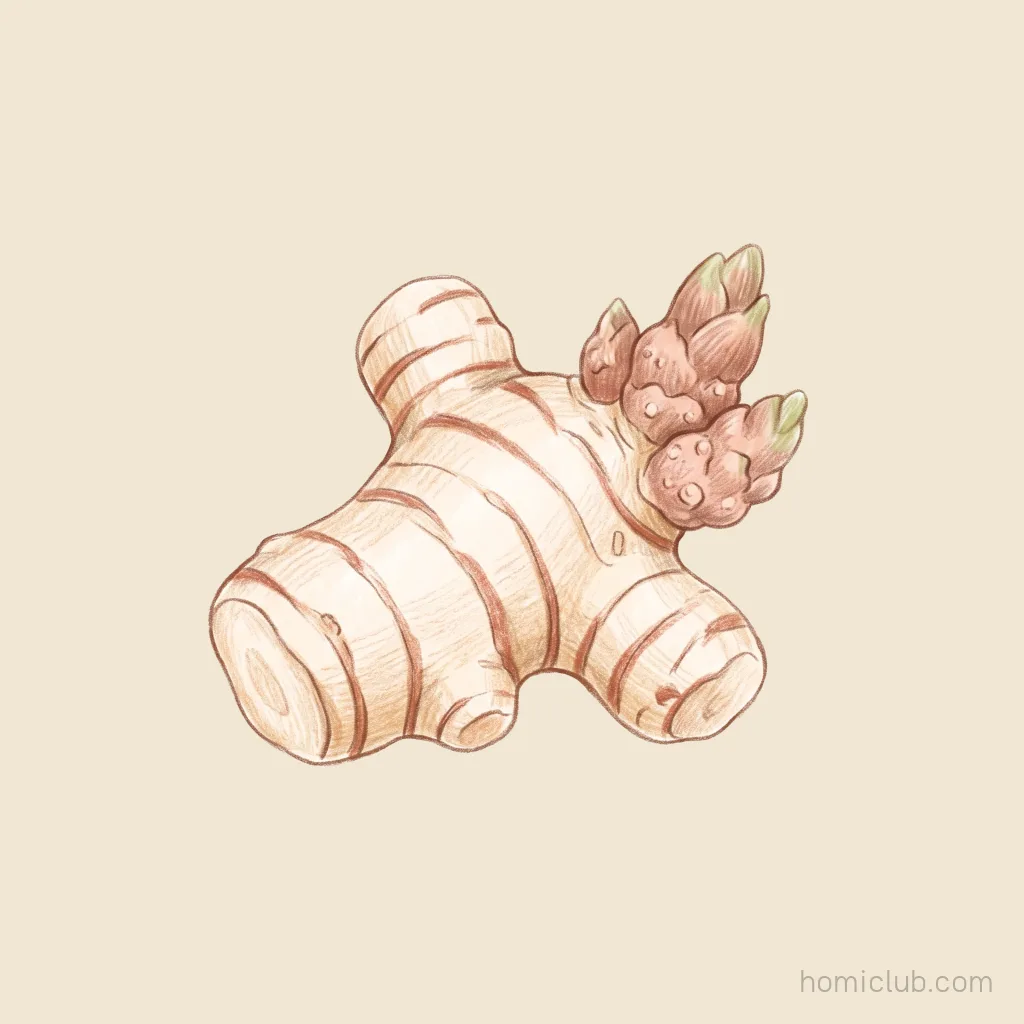 Related Crop · Atractylodes →
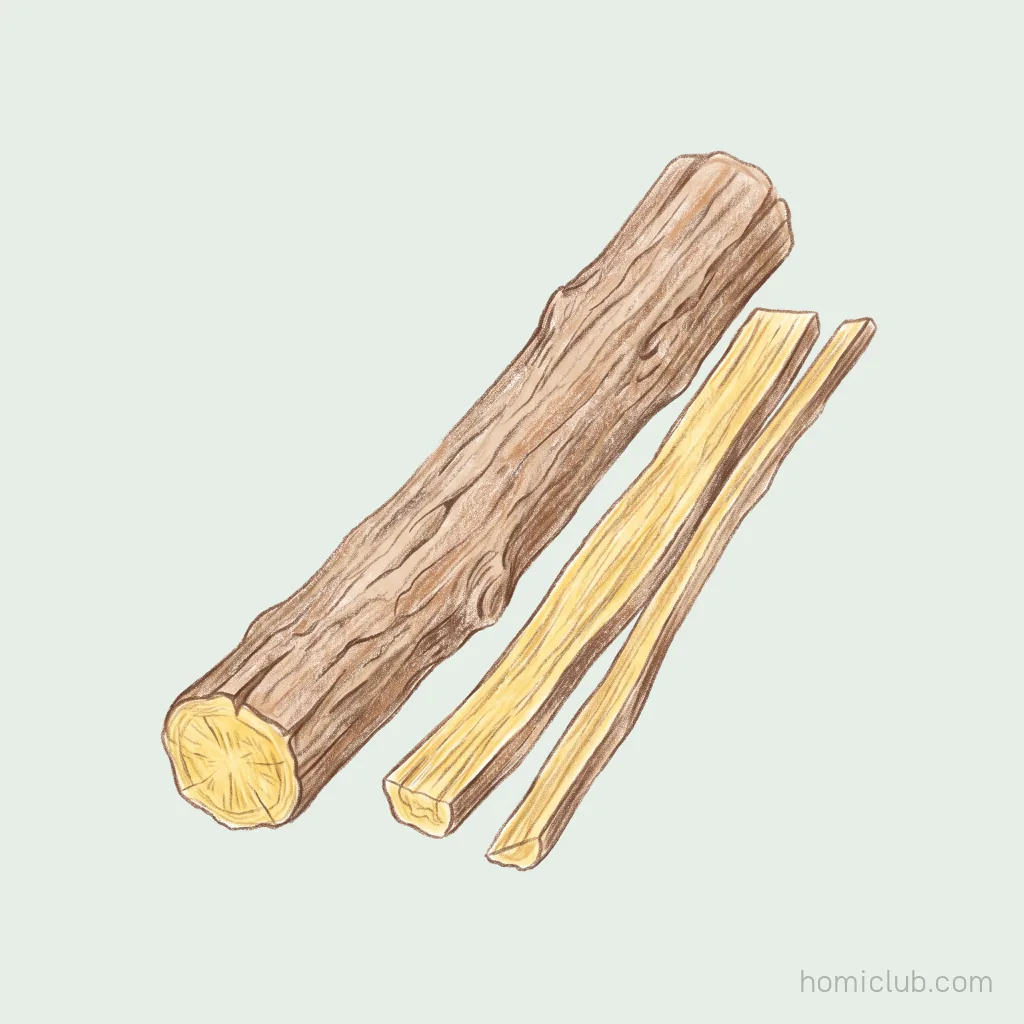
Baekchul is the dried rhizome of sapju, a thistle-like member of the daisy family; its old Korean name was sapdyut burhwi. It grows wild in the hills and is now farmed for the herb trade. Donguibogam advised soaking it half a day in rice-washing water and picking the pieces that are pale and not oily.
Original, read line by line 東醫寶鑑 · Tangaek — Decoctions vol. 2
-
性溫, 味苦甘, 無毒.
Its nature is warm, its taste bitter and sweet, and it is non-toxic.
HomiclubBaekchul is the dried rhizome of sapju (Atractylodes), a perennial in the aster family; the old Korean name attached to the heading, sapdyut bulhwi, means sapju root. It grows wild in the mountains and is now farmed and traded as a herbal material.
-
健脾强胃, 止瀉除濕, 消食止汗, 除心下急滿, 及霍亂吐瀉不止, 利腰臍間血, 療胃虛冷痢.
It fortifies the bi (脾, spleen) and strengthens the wi (胃, stomach), stops diarrhea and removes damp, digests food and stops sweating, relieves sudden fullness below the heart, checks unceasing vomiting and diarrhea from gwallan (霍亂, sudden turmoil disorder), frees the blood between the waist and navel, and treats cold dysentery arising from stomach depletion.
-
生山中, 處處有之. 其形麄促, 色微褐. 氣味微辛苦而不烈. 一名乞力伽, 此白朮也. 《本草》
It grows in the mountains and is found everywhere. Its form is coarse and stubby, its color slightly brown. Its qi and taste are faintly pungent and bitter but not fierce. One of its names is geollyeokga (乞力伽); this is baekchul. 《Boncho (本草)》
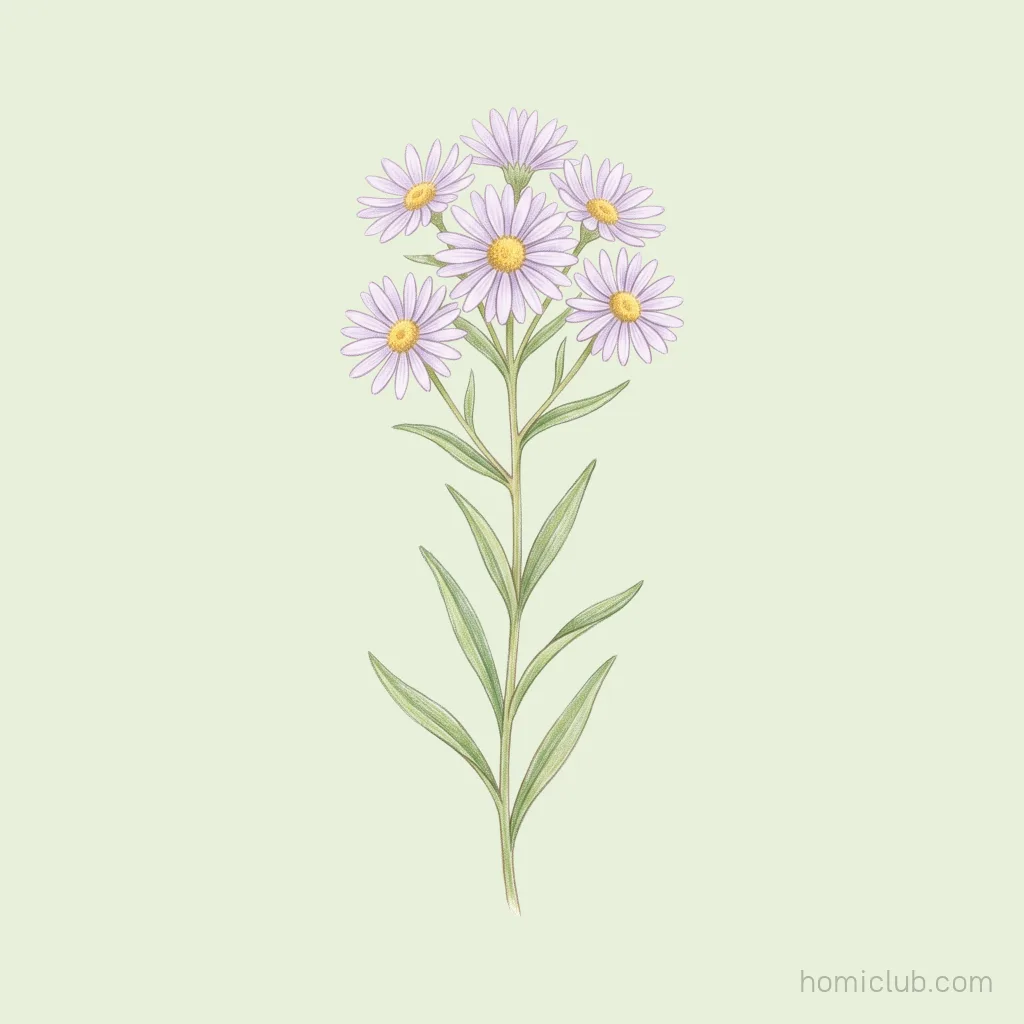
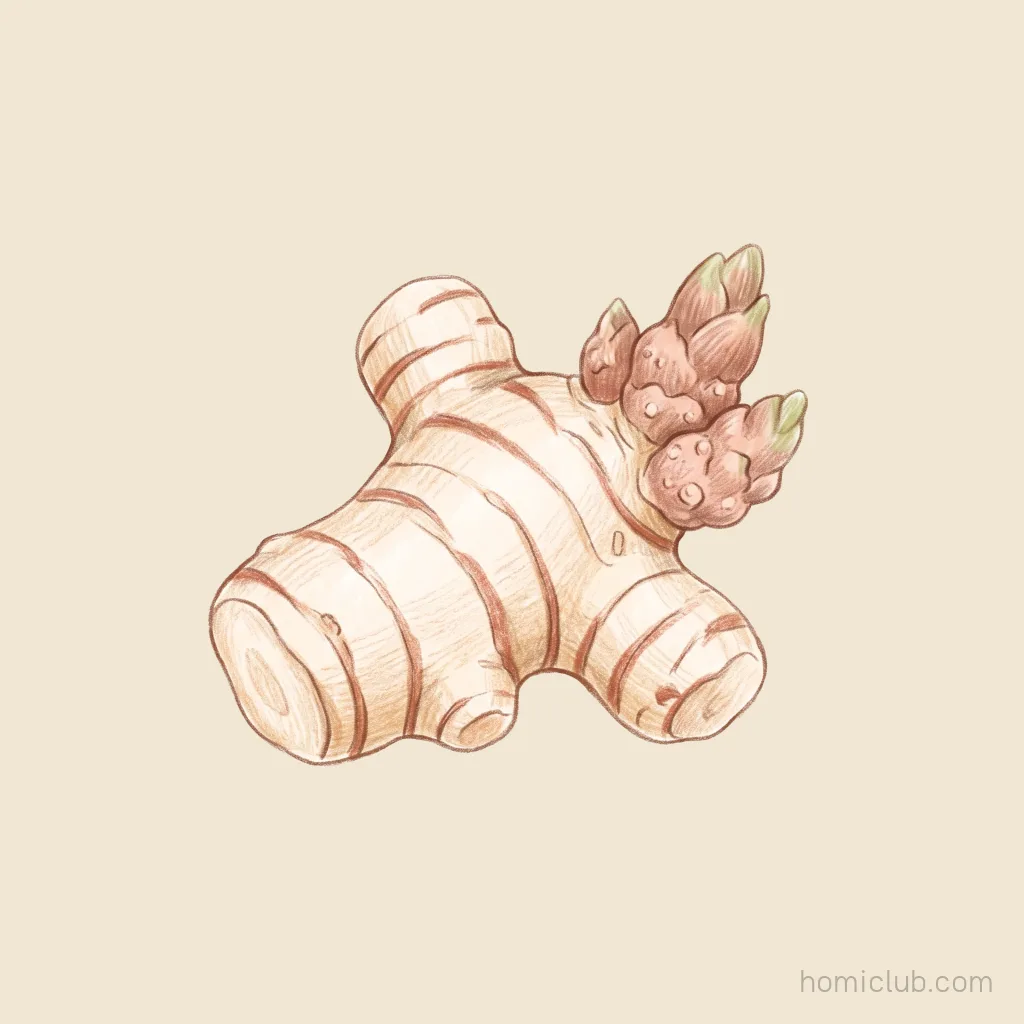
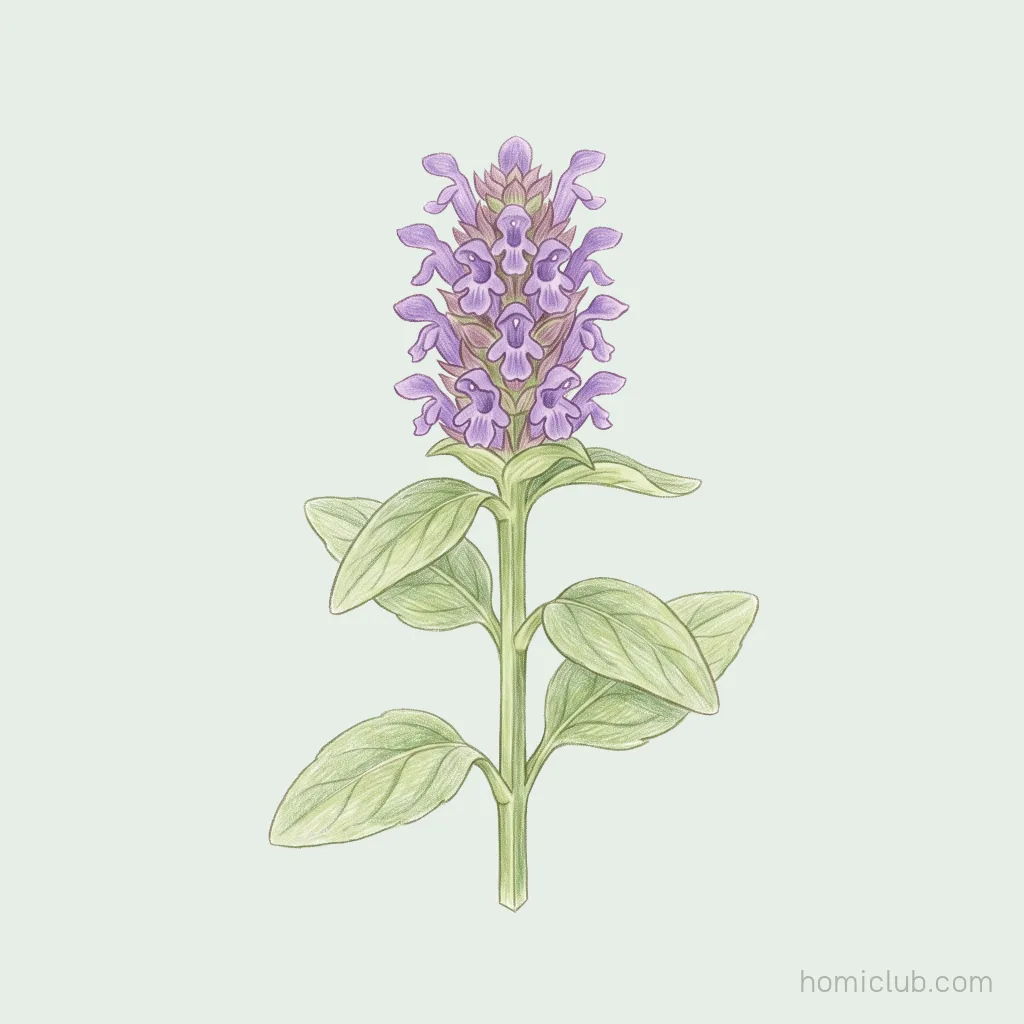
HomiclubSapju is a perennial of the aster family that bears white flowers from summer into autumn. Its rhizome grows in knobby clumps; the peeled, white-fleshed piece was called baekchul and the unpeeled brown one changchul.
-
本草無蒼白之名, 近世多用白朮. 治皮膚間風, 止汗消痞, 補胃和中, 利腰臍間血, 通水道.
The Boncho has no names "chang" (蒼) and "baek" (白); in recent generations baekchul has been much used. It treats wind between the skin, stops sweating and disperses bi (痞, glomus), supplements the stomach and harmonizes the middle burner, frees the blood between the waist and navel, and opens the waterways.
-
上而皮毛, 中而心胃, 下而腰臍. 在氣主氣, 在血主血. 《湯液》
Above it reaches the skin and body hair, in the middle the sim (心, heart) and wi (胃, stomach), below the waist and navel. When in the qi it governs the qi; when in the blood it governs the blood. 《Tangaek (湯液)》
-
入手太陽ㆍ少陰ㆍ足陽明ㆍ太陰四經, 緩脾生津, 去濕止渴.
It enters four channels — hand taeyang, hand soeum, foot yangmyeong, and foot taeeum — relaxes the bi (脾, spleen), engenders fluids, removes damp, and stops thirst.
-
米泔浸半日, 去蘆, 取色白不油者用之. 《入門》
Soak it in rice-washing water for half a day, remove the rootstock crown, and select pieces that are white in color and not oily. 《Immun (入門)》
-
瀉胃火, 生用, 補胃虛, 黃土同炒. 《入門》
To drain fire from the wi (胃, stomach) use it raw; to supplement stomach depletion, stir-fry it together with yellow earth. 《Immun (入門)》
Related Crop
Atractylodes →
Reading on Atractylodes
Herbs — more entries
This is a cultural and historical record from a classical text, not a claim about any food’s effects. Nothing here is a health supplement or intended to prevent or treat disease. Consult a medical professional about health concerns. · Text: Korean Medicine Classics DB · Reading: Homiclub