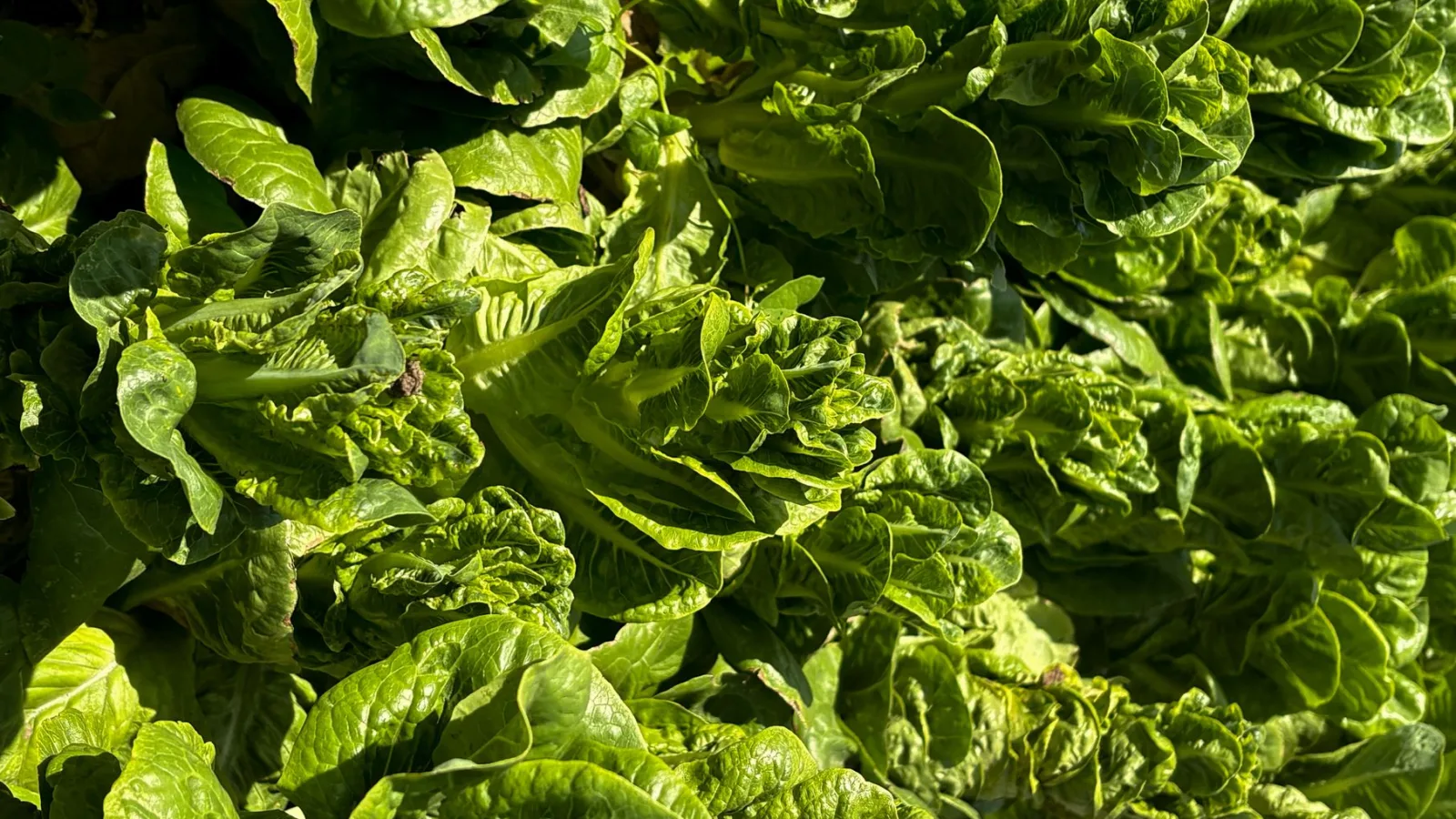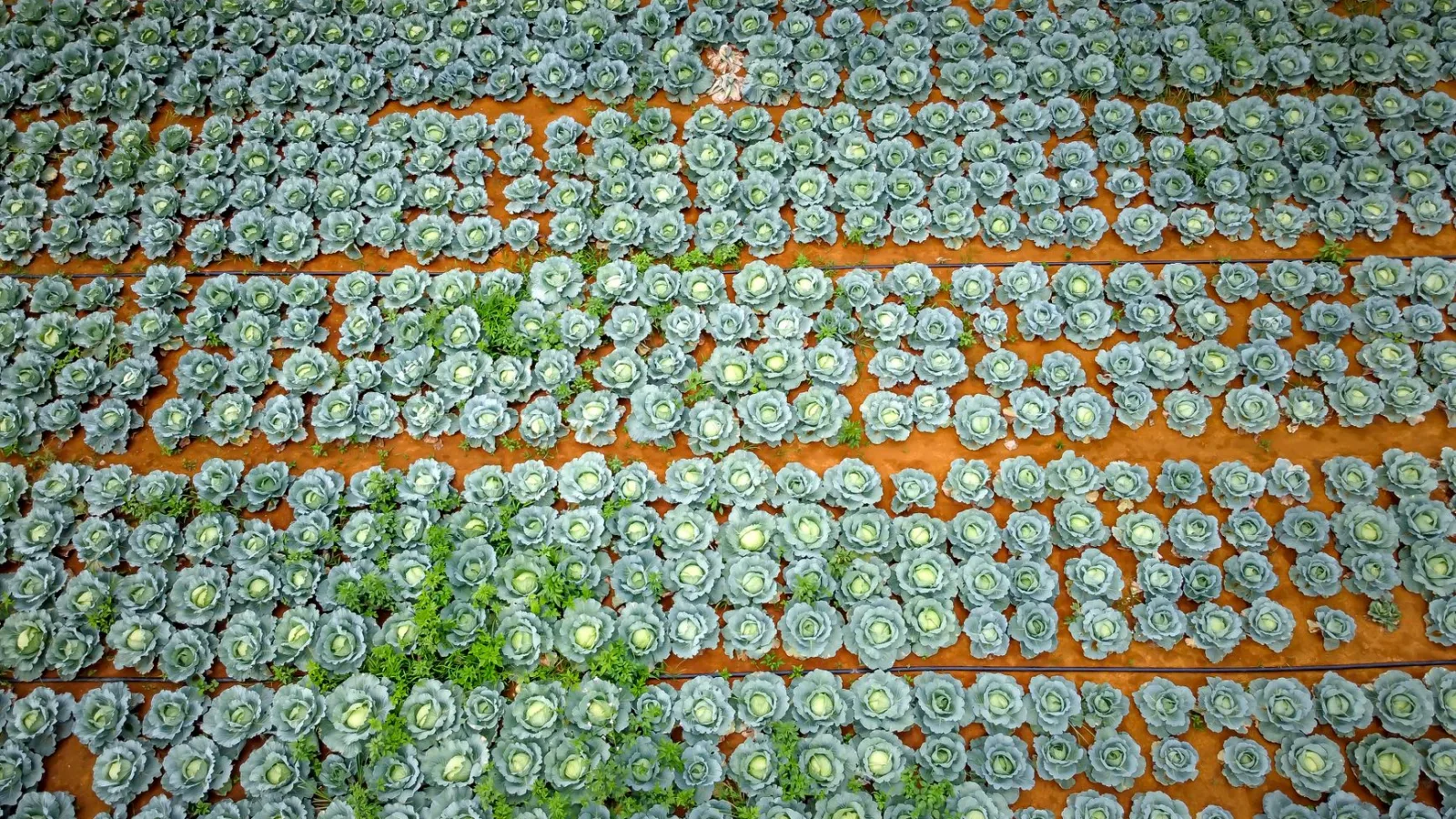
The gat (Korean leaf mustard) I sowed before the first frost has grown to the size of my palm. When I step outside in the morning, the leaves aren't glossy. A thin film of gray dust has settled on them. One quick spray of water and they turn green again. Across the Northern Hemisphere, from October through February, the winds go slack and cold air sinks and stays close to the ground. Anyone who has grown winter greens through those months has seen this scene at least once.
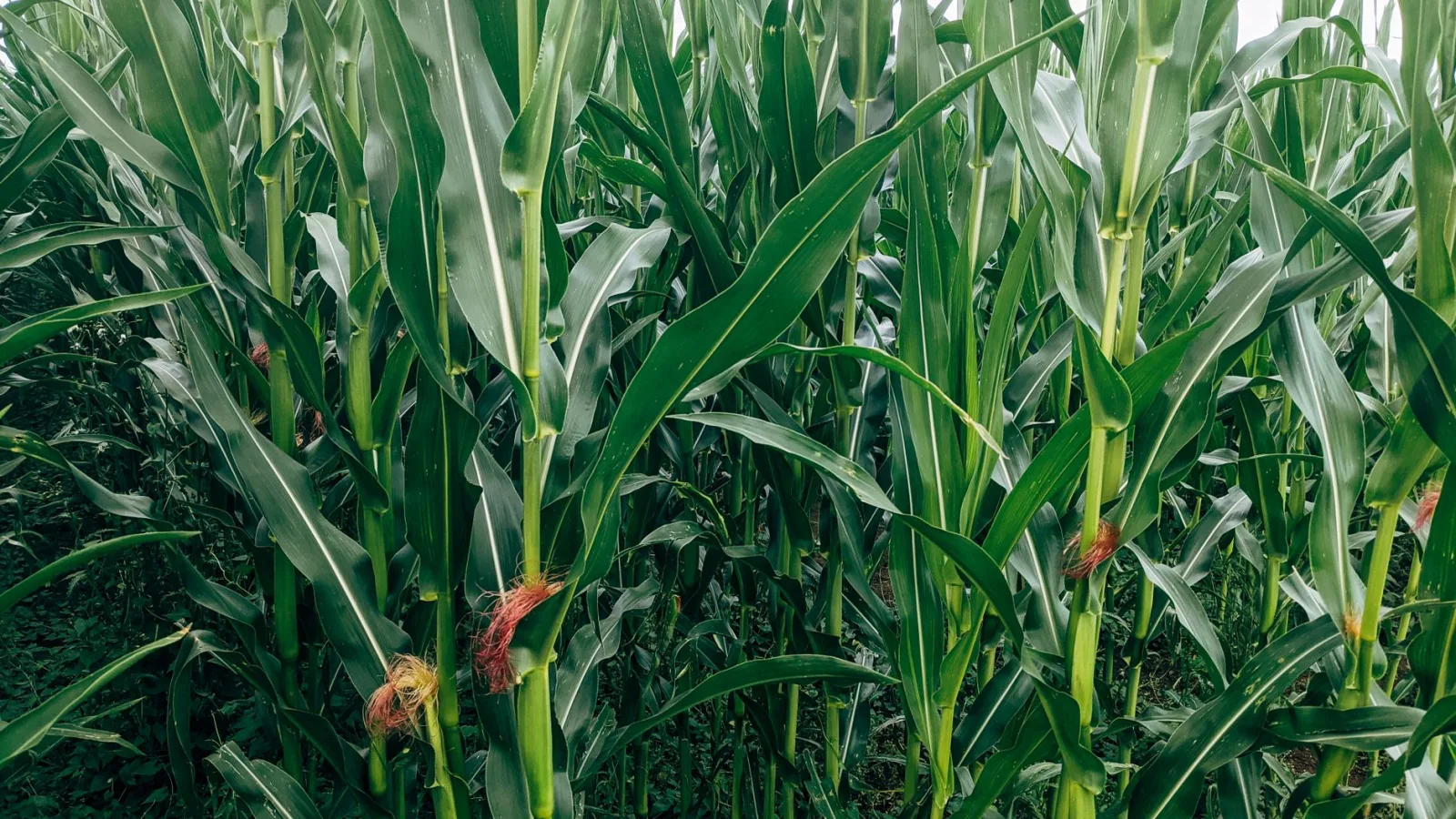
In that same season, under that same air, there are places where wheat and mustard are sown across wide fields. One of them is the farm belt around Delhi, India, within about 150 km of the city. A new study measured the air there every day through the winter growing seasons from 2022 to 2025 and worked out how much stress the crops were under.
What Happens When Dust Settles on Leaves
Fine particulate matter (PM2.5) and coarser particles (PM10) build up on leaf surfaces. The more dust covers a leaf, the less light reaches it, and the less food the plant can make through photosynthesis. Brassicas like mustard and gat, with their broad, rough-textured leaves, collect more dust than wheat does.
Ozone (O3) works differently. It slips in through the stomata, the tiny breathing pores on a leaf, and damages the cells inside. The leaves then yellow and wither ahead of schedule. Wheat needs its leaves alive while the heads fill, and mustard needs them while the pods swell, or the grain and seeds never plump up. When leaves die early, the harvest shrinks.
The reason the problem grows in winter comes down to timing. The four months after the monsoon ends, when the air stagnates, line up exactly with the window for sowing and raising wheat and mustard.
What the Delhi Farm Belt Showed
The researchers gathered four years of daily readings from monitoring stations around Delhi and turned the strain on crops into a score. Palwal scored 54; Bahadurgarh scored 123. Even within the same farm belt, the gap was more than twofold. The stations near heavy traffic and along the city's edge had the thickest fine particulate pollution.
Translated into harvests, it looks like this. At the most polluted sites, the study estimated winter wheat yields could fall by up to 15% and mustard by up to 12%. Wheat and mustard are the most widely planted winter crops in northern India.
What You Can Do in Your Garden Today
- When the air has been still for more than three days, give the leaves a morning rinse. A spray of water washes off a good share of the dust sitting on the surface.
- If you can choose where to plant, pull back from the main road, even by a single step. Within the same neighborhood, pollution levels differ sharply between the roadside and a few yards in.
- For container plants, pick a spot that faces away from the road, where a building shields it from the wind.
- In the week before harvest, rinse the leaves more often, and before eating, wash them under running water for more than 30 seconds. It's a good idea to strip off the outer leaf or two.
The sharp, peppery bite of mustard and gat leaves comes from sinigrin. The flavor deepens in cool weather, and a quick blanch softens the leaves enough to dress as namul, a Korean seasoned-vegetable side dish. They also make a fine ssam, a leaf wrapped around a bite of rice.
When you head out to the garden today, rub a leaf with the back of your hand. If it comes away gray, it's a day to reach for the watering can before your homi, the Korean hand hoe.
Sources: a study of air-pollution risk to winter crops in the Delhi agricultural region, published in the journal Environmental Monitoring and Assessment; monitoring data from India's Central Pollution Control Board.