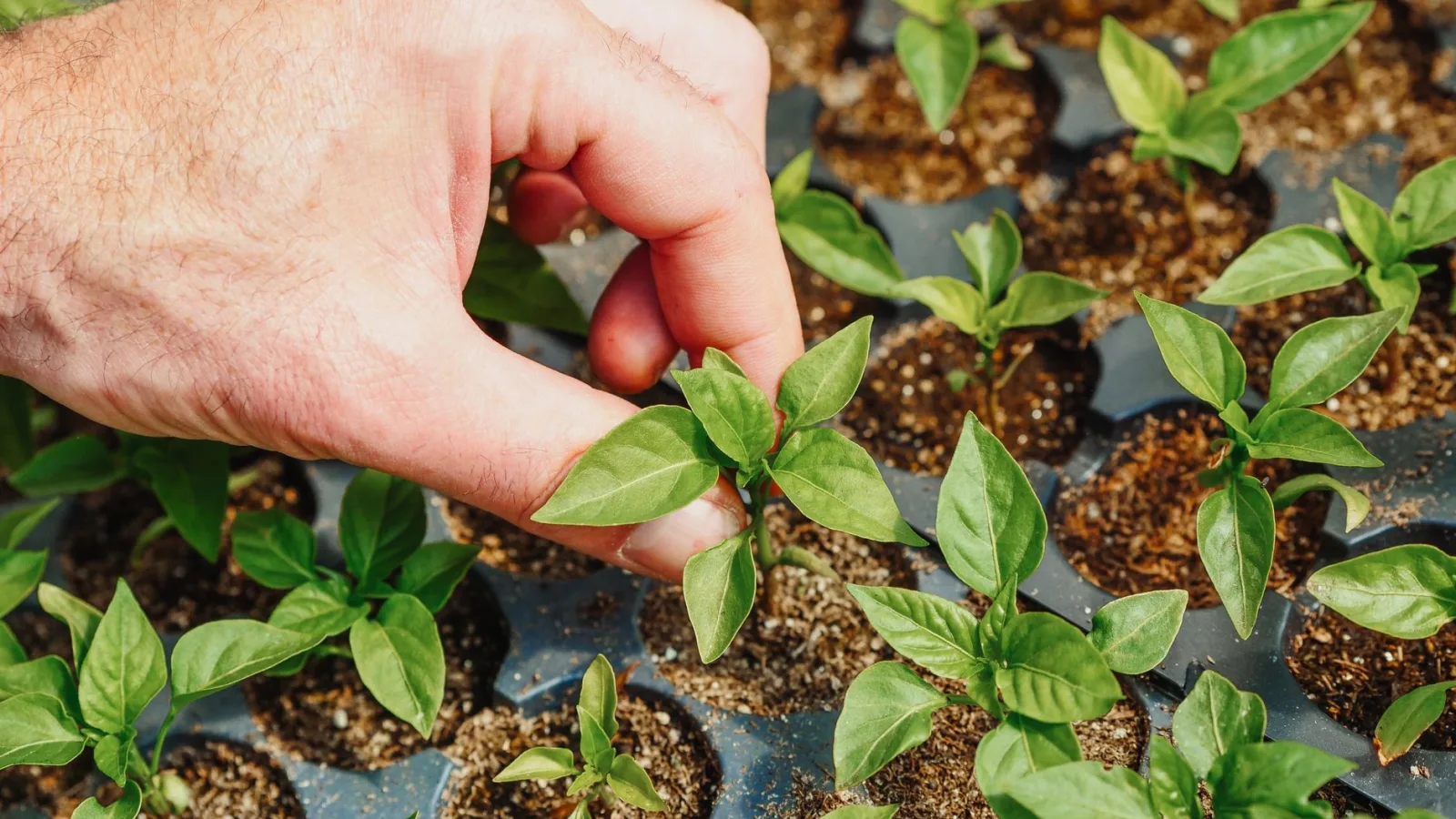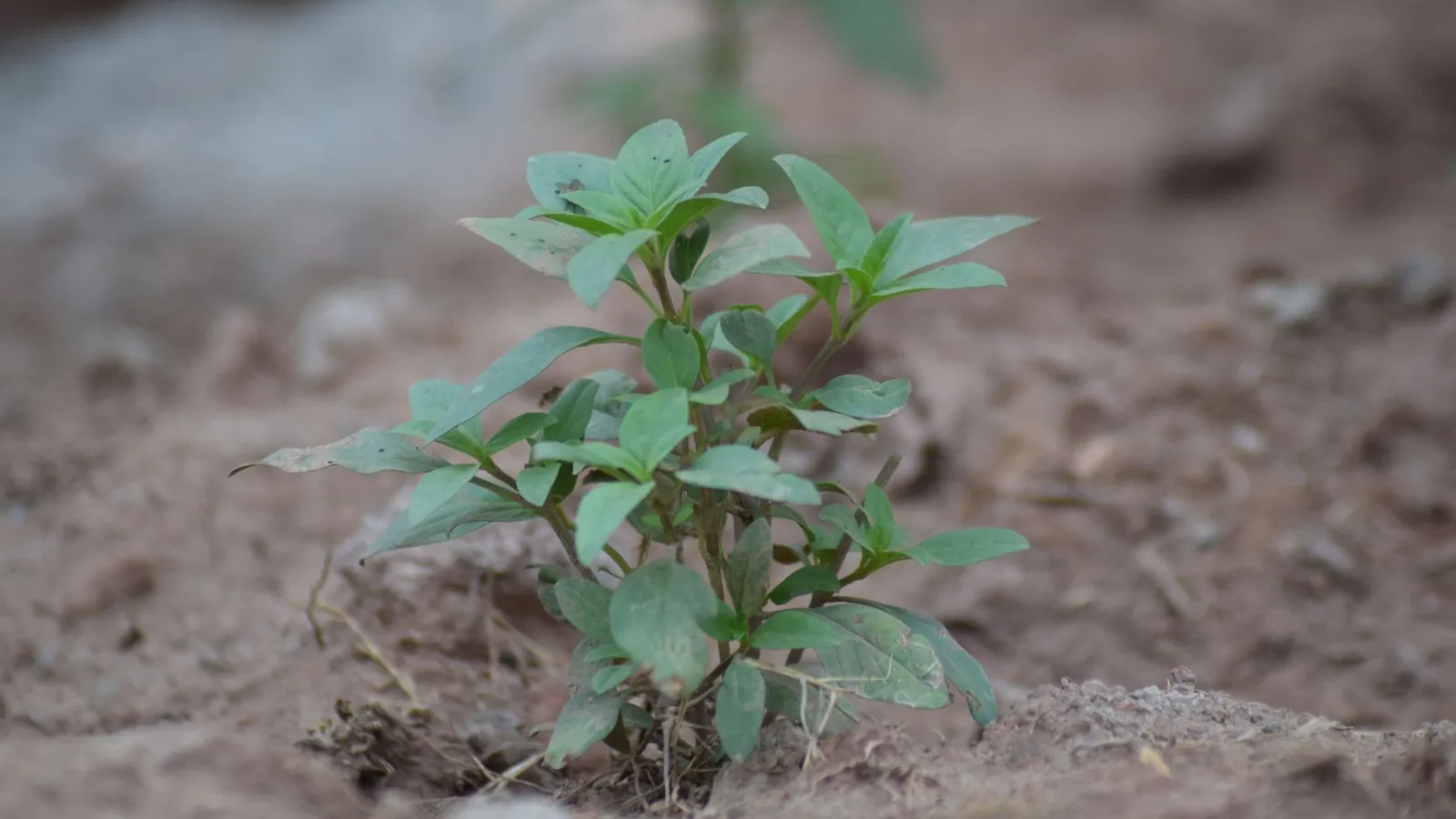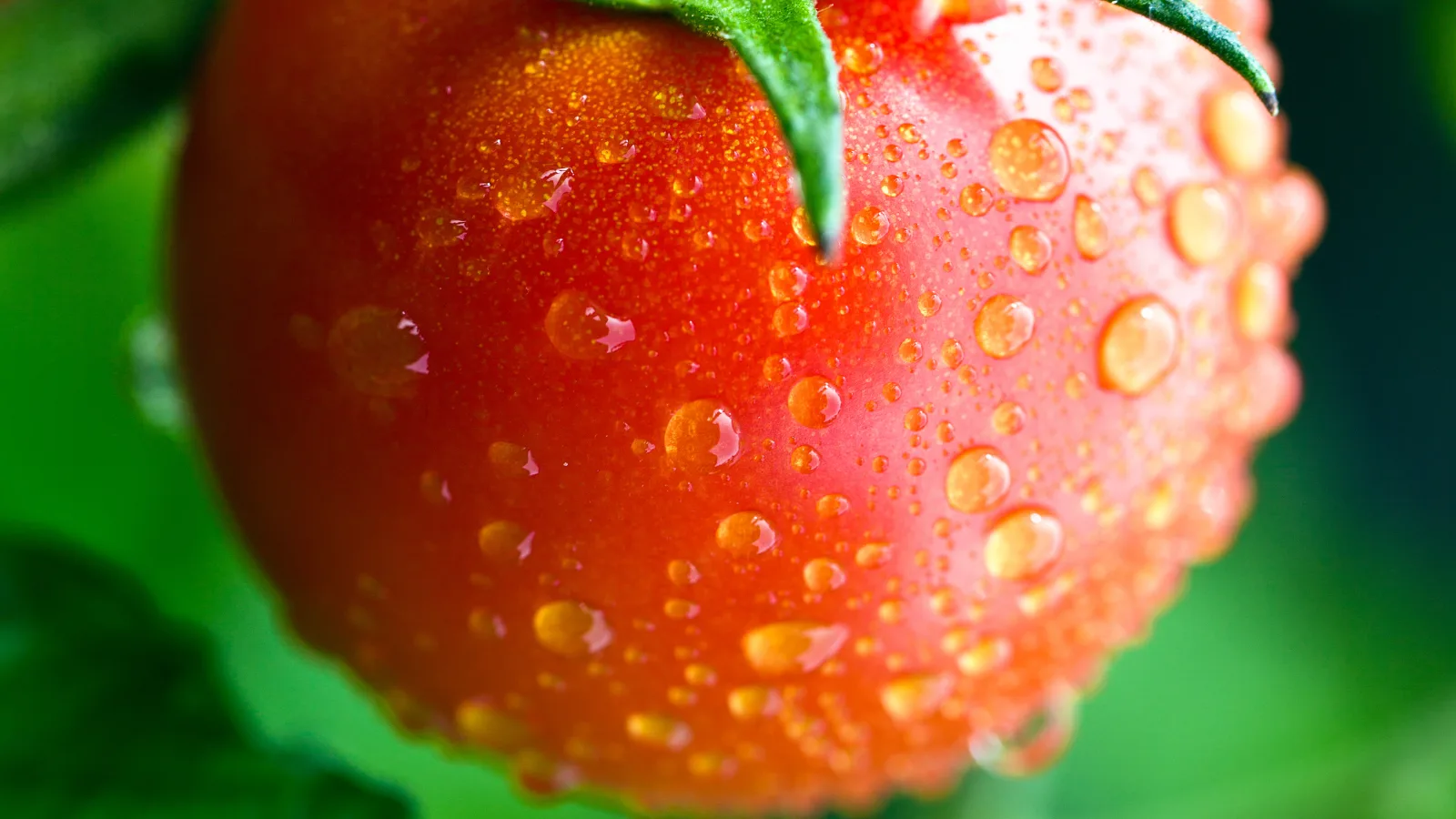
Come July, the tomato leaves in your pot droop a little at midday and perk back up as the sun drops. It looks like thirst, and the urge is to douse the pot morning and night. Yet field research suggests something counterintuitive: tomatoes grown on slightly less water actually built up more antioxidant compounds.
The study ran in a field in Xinjiang, China, using Heinz 1015, a processing tomato variety. Drip irrigation lines were laid over plastic mulch, and researchers compared normally watered plants against four watering regimes with progressively less water. After each deficit period ended, the plants were watered fully again so the team could track how well they recovered.
What happens inside a leaf when water runs short
When water gets scarce, hydrogen peroxide accumulates inside leaf cells, and malondialdehyde — a byproduct of the fats in cell membranes oxidizing — rises alongside it. In plants cut back hardest during flowering, those two compounds measured 12.46 micromoles and 11.98 micromoles higher per gram of fresh weight than in the control. That's a real jump in oxidative damage.
Tomatoes fight back. They accumulate proline, soluble sugars, and soluble proteins to hold water inside their cells, and they crank up the enzymes that neutralize reactive oxygen species. One catch: superoxide dismutase, the enzyme that handles reactive oxygen first, only became more active under mild to moderate water stress. In severely dried plants, its activity actually dropped. Past a certain threshold, the defense system itself starts to break down.
The cycle that puts vitamin C back to work
Tomatoes contain ascorbic acid — vitamin C — along with glutathione. Both neutralize reactive oxygen species, converting to an oxidized form in the process, and a handful of enzymes convert them back. This loop is called the ascorbate-glutathione cycle. In the water-restricted plants, the recycling enzymes became more active together, and the ratio of glutathione to its oxidized form shifted as well. In short, the plants kept their vitamin C and glutathione in a form they could keep reusing.
What this study did not measure is how much vitamin C ends up in the fruit you actually eat. Plenty of research has found that tomatoes given less water taste sweeter, but jumping from "more antioxidants in the leaves" to "better for your health" is a leap the evidence doesn't yet support.
Only the mildly stressed plants recovered
What happened after rewatering split along a clear line. The plants held back the least returned to roughly control-group levels on most physiological measures, and showed the strongest compensatory growth. The severely restricted plants never made it back to their original state, even with full watering restored. The researchers concluded that mild water deficit can build drought tolerance while keeping the plant physiologically stable.
Watering to try in pots and garden beds
- If leaves droop only at midday and recover by evening, hold off on watering. Water when they're still drooping the next morning.
- Don't cut back much while the first flowers are opening. That's when oxidative damage peaked in the experiment.
- Once fruit starts turning red, try stretching the interval between waterings by about a day. It helps keep the flavor from getting watery.
- Mulch the soil with straw or fallen leaves. Less water evaporates off the surface, so you can water less while keeping moisture around the roots.
Tonight, before you pick up the watering can, take a look at the leaves first. If the droopy ones straighten out on their own after sunset, that's a day you can skip.
Source · Scientific Reports 2026, research on regulated deficit irrigation and antioxidant response in processing tomatoes