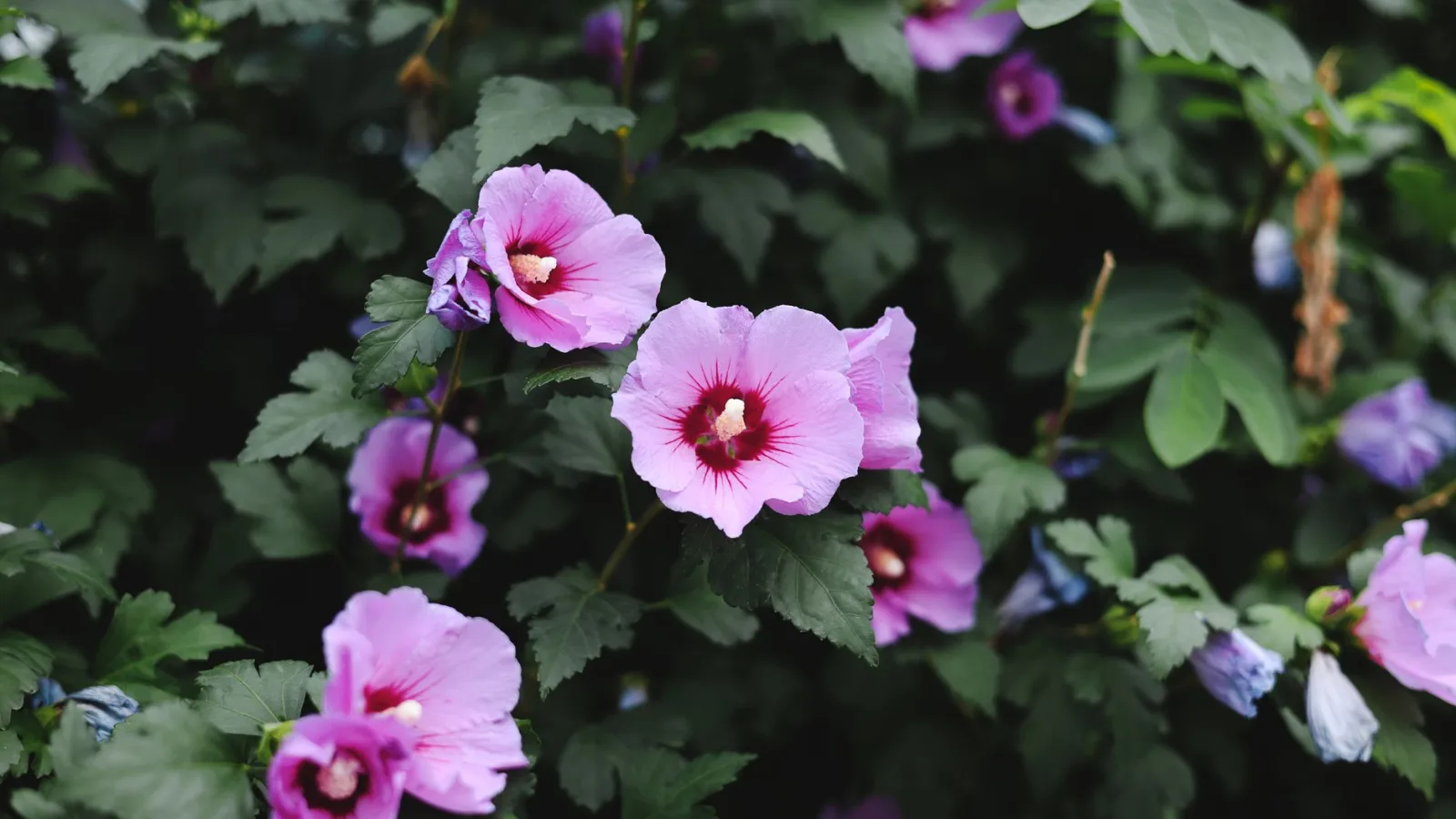
By late September, the rose of Sharon standing beside the garden fence puts out fresh flowers every morning. As the sun climbs, the petals open; by evening they furl shut and drop. The bloom you saw yesterday and the one you see today are not the same flower. That cycle has run all summer, and when it starts to thin out in September, it means this year's flowering season is drawing to a close.
The Donguibogam Recorded It as Mokgeun (木槿)
Mokgeun appears in the Wood section (木部) of the Donguibogam, the great Korean medical compendium of 1613. Beneath the Chinese characters, the Korean name is written out plainly as mugunghwa. The text describes its nature as neutral and free of toxicity. As for where it grows, it says only "everywhere," and it notes that the flowers may be gathered at any time, with no particular season. The entry is short, drawing on the Bencao, the classical Chinese materia medica, and it never elaborates at length on what the plant was used for. This is a record preserved in an old medical text, and it is not the same thing as a judgment we would make today. You can read the full entry with commentary at the Donguibogam mokgeun entry.
What Today's Analysis Has Found in the Petals
Compositional analysis has confirmed anthocyanin pigments in rose of Sharon petals. The deeper a given shrub's flower color, the darker the infusion it yields. Those pigments have also been confirmed to shift toward red under acidic conditions. The petals carry mucilage as well, which is what gives the infusion its soft, rounded feel going down. Flavonoid polyphenols are present alongside them. All of this, though, describes chemical composition — it has nothing to do with preventing or treating disease.
The ground shared by the old record and today's analysis is narrow. It extends about as far as this: both saw the flower as something worth using. But the two speak very differently about what it does and how. The old record works in terms of nature and taste; today's analysis works in the names of pigments and polysaccharides. It is safer not to fold the two into a single story.
Planting Months and Blooming Months
The rose of Sharon (Hibiscus syriacus) is a perennial shrub. In the Northern Hemisphere, plant it in March or April. Given a spot with good sun, it will carry flowers from July through September. In the Southern Hemisphere the seasons run the other way, so shift these to the corresponding spring months. In Korea it is also the national flower. Since no single blossom lasts more than a day, one shrub can be harvested straight through a summer. That is likely the reason the Donguibogam noted the flowers could be gathered in any season. A growing calendar and composition data are collected in the rose of Sharon crop guide.
Steeping It as a Flower Tea
Pick the blossoms that have opened wide in the morning and spread them out in the shade to dry. Bring water to a boil, let it stand off the heat for a minute, then drop in a handful of the fully dried petals and watch the color come up. For something alongside it, pick one of these three.
- A single drop of lemon — on the acidic side, the anthocyanins turn red and the color comes alive. Add much more and all you're left with is sourness, so stop at one drop.
- Honey — this is a faintly scented flower, and a little sweetness makes it easier to drink. Stir it in after the water has cooled a bit, not while it's still scalding.
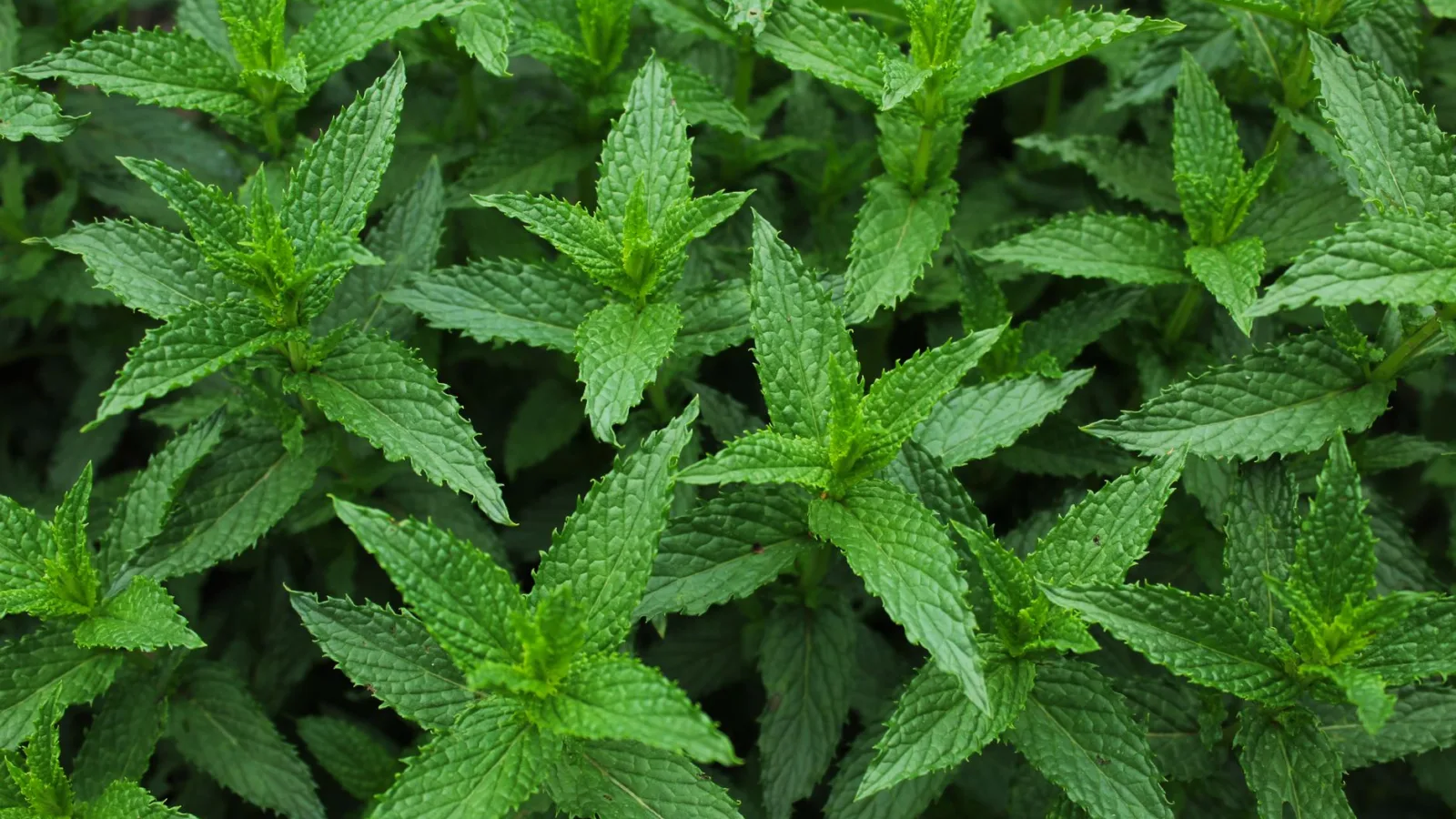
- Dried chrysanthemum or mint — their aromas don't fight with it. Add just one or two and the rose of Sharon's color stays front and center.
Before the season closes, head out to the garden some morning and pick three or four blossoms that have just opened. Three days or so drying in the shade gives you something to steep all winter. The flowers you pick today are going to fall by evening anyway.