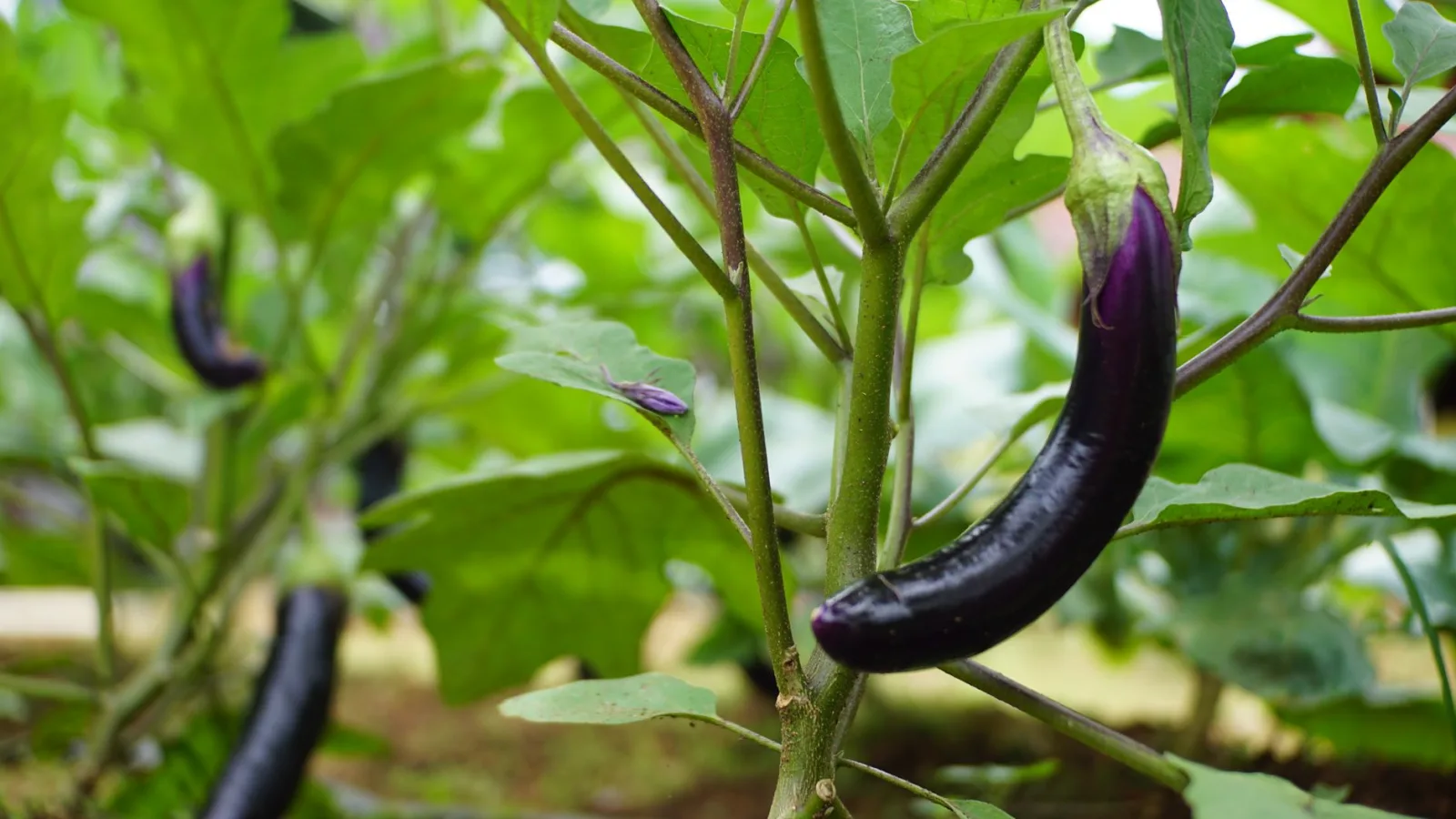
By mid-September in the Northern Hemisphere, gardeners are pulling out the pepper and eggplant plants that bore fruit all summer and sowing spinach and lettuce seed in the empty beds. If you have ever held a checkup report and stared at your blood sugar or cholesterol numbers, you have probably wondered: which diseases are those numbers tied to, and do the vegetables you eat every day actually help keep illness away? A study that followed roughly 40,000 residents in China over several years offers some useful answers.
Blood Tests and Lifestyle, Folded Into One Score
The researchers recruited residents of Taizhou, China, in two waves. Data from about 14,000 people enrolled in the early 2010s was used to build the risk score. About seven years later, they applied the same score to a newly recruited group of roughly 25,000 people to check whether it held up. The diseases in question are the major non-communicable diseases, meaning conditions that do not spread from person to person. The World Health Organization counts cardiovascular disease, cancer, chronic respiratory disease, and diabetes among them.
The team started with dozens of blood markers alongside questionnaire responses and physical measurements. They ran several statistical methods and kept only the items that survived every one of them. The final score combined 15 blood markers with age, smoking, high blood pressure, and vegetable intake.
In the new group, one in four people landed in the high-score category. More than half of everyone later diagnosed with a major non-communicable disease came from that quarter. Compared with the low-score group, their risk of developing disease was a little over six times higher. The risk of dying from any cause followed a similar pattern along the score.
High Risk for One Disease Meant High Risk for Others
The researchers compared scores built separately for each disease with a single score covering several diseases at once. The combined score still separated high-risk from low-risk people well, whether the diseases were counted together or examined one at a time. Among people flagged as high risk for one condition, more than half were also in the high-risk group for other non-communicable diseases.
It is already well known that many risk factors, such as smoking and high blood pressure, are tied to a whole range of diseases. These findings fit that picture. So it is reasonable to expect that staying away from tobacco and keeping an eye on your blood pressure would help lower the risk of several diseases at once.
Vegetables Made the Cut. What Does That Mean?
Of all the questionnaire and physical-measurement items, the only ones besides age that survived into the final score were smoking, high blood pressure, and vegetable intake. If you grow your own food, it is heartening that among all the lifestyle factors considered, how many vegetables people ate held its place to the very end.
That said, this study did not test whether getting people to eat more vegetables reduced disease. It asked people how much they usually ate and then watched which illnesses developed. People who eat fewer vegetables may also differ in other ways, such as how much they exercise or how much they earn. So it is too early to say that vegetables prevented disease. Still, the tendency for people who eat plenty of vegetables to develop fewer chronic diseases has shown up again and again in studies across many countries. Rather than treating a vegetable-rich diet as a guaranteed shield, it makes sense to see it as one of several good habits for staying healthy.
Fill Your Table With Fall Greens
In the Northern Hemisphere, September is a good time to plant leafy greens that thrive in cool weather. Spinach grows best at 15 to 20°C (59 to 68°F) and is ready to harvest about a month and a half after sowing. Lettuce transplants can have their outer leaves picked starting three to four weeks after planting. Young radish greens (yeolmu), grown for their leafy tops, can be pulled about a month after sowing.
- Put at least one vegetable dish on the table at every meal. The World Health Organization recommends at least 400 g of vegetables and fruit combined per day.
- Enjoy lettuce as ssam, the Korean way of wrapping rice and side dishes in a leaf. Try spinach as namul, a side dish of greens briefly blanched and tossed with seasoning. Spinach is a source of folate, and blanching shrinks it down so you can eat a generous portion in one sitting.
- Along with vegetables, make a point of not smoking and checking your blood pressure. In this study's risk score, smoking and high blood pressure sat right alongside vegetable intake.
Today, sow a row of spinach in an empty bed, and put a plate of lettuce ssam on the dinner table tonight.
Sources: Study published in the International Journal of Public Health on shared and disease-specific risk of major non-communicable diseases based on blood markers and lifestyle information · World Health Organization recommendations on vegetable and fruit intake