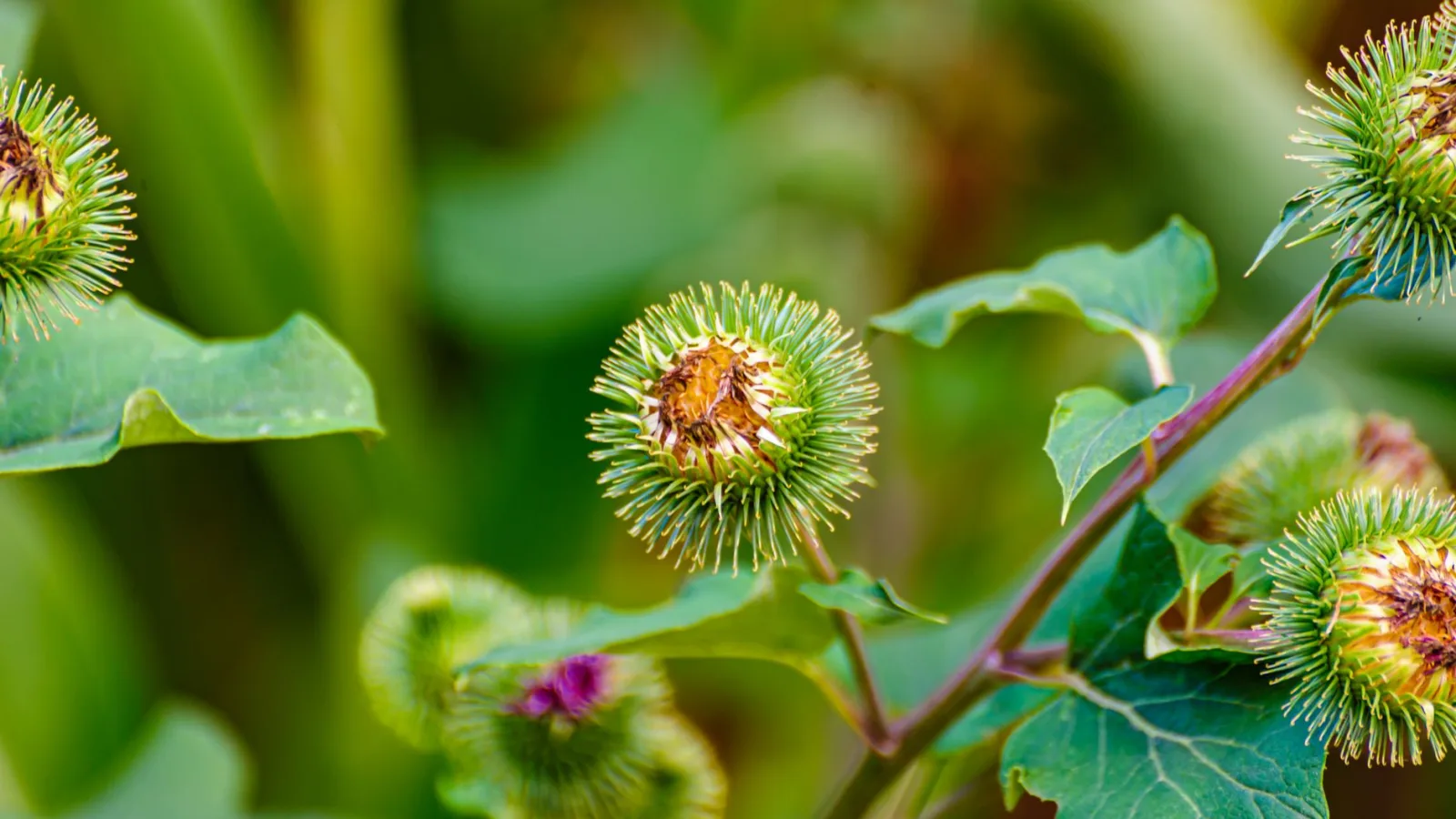
In July, the tallest thing in the garden is the sunchoke. It shoots well past head height and spreads its leaves wide, and by August it puts up yellow flowers that look like small sunflowers. The burdock in the next bed over stays quiet, just fanning out its broad leaves, and the onions I pulled in June and hung under the eaves have dried down until the skins rustle. These three crops have something in common: down in their roots and bulbs, they stockpile inulin, a sugar that human digestive enzymes can't cut apart.
A sugar that travels to the colon undigested
Inulin is a chain of fructose molecules strung together. The human small intestine has no enzyme that breaks those bonds, so the sugar reaches the colon essentially untouched. For the bacteria living down there, it's a different story. Akkermansia and members of the Lachnospiraceae family treat inulin as food, multiply on it, and in the process turn out short-chain fatty acids (SCFAs). Butyrate is one of them.
Among garden crops, the inulin-rich ones tend to be those that spend the winter underground.
- Sunchoke (Jerusalem artichoke) — more than half its dry weight is inulin
- Burdock — concentrated in the layer just under the skin
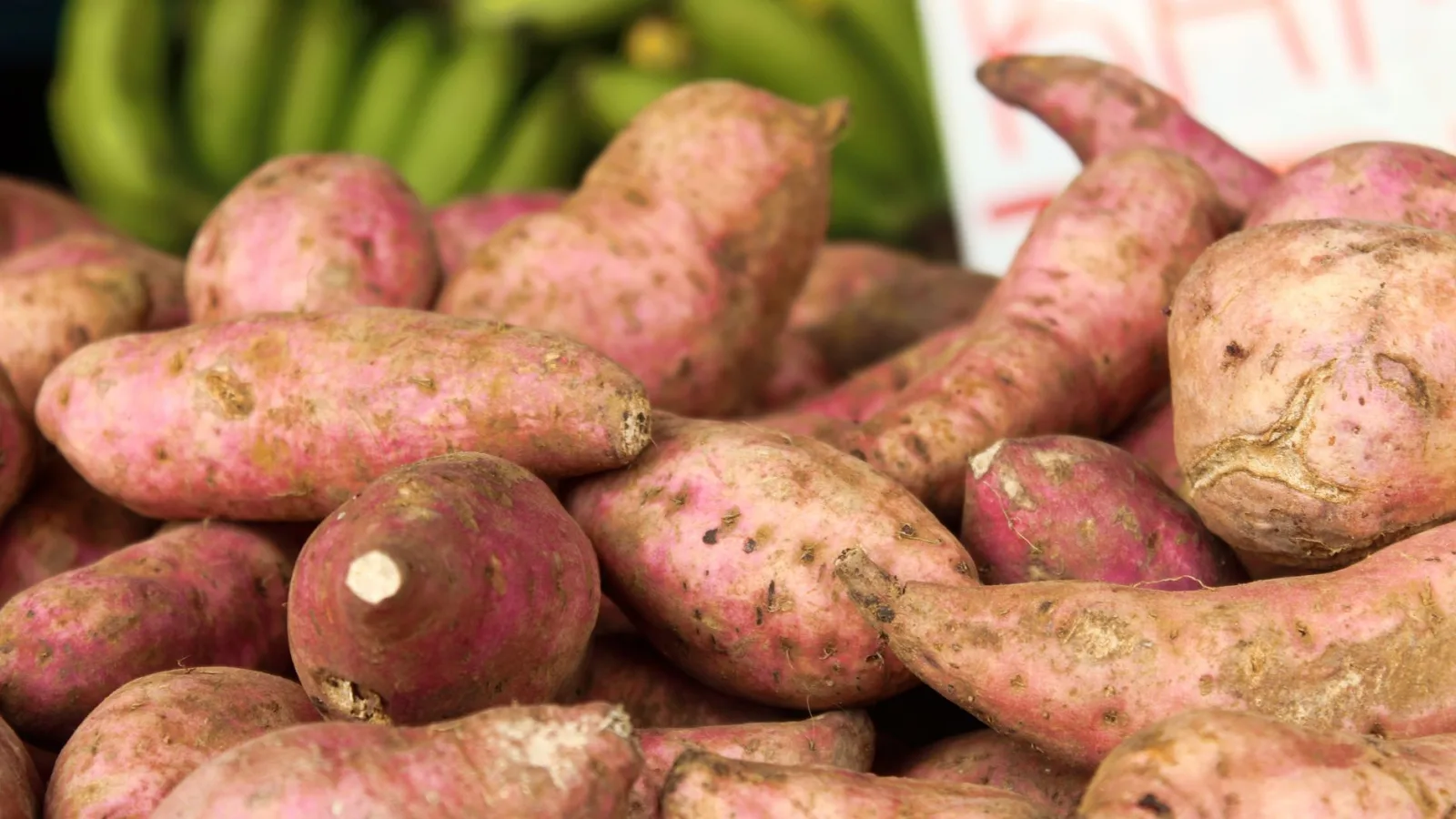
- Yacon and doraji (bellflower root) — root crops dug in the fall
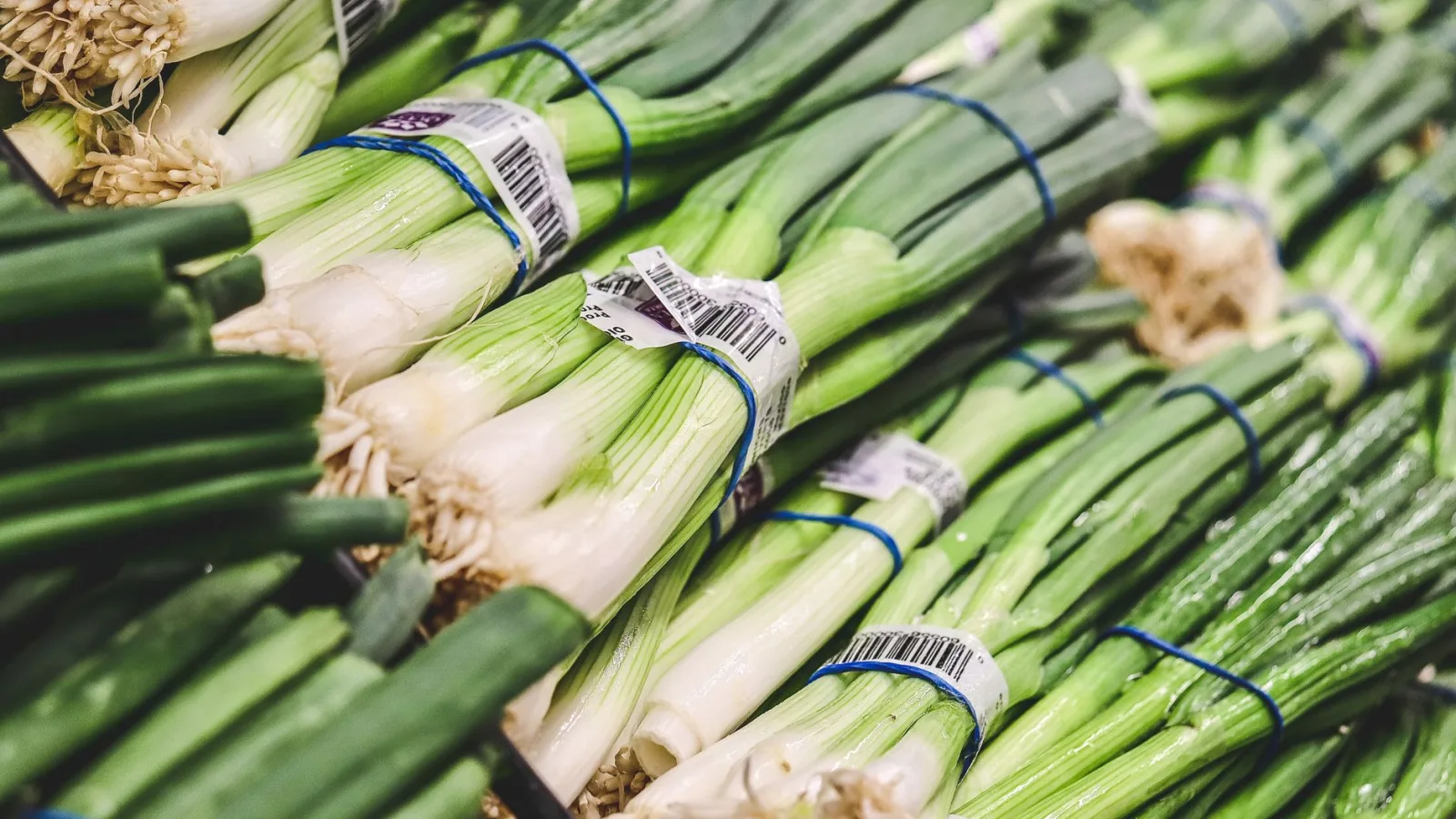
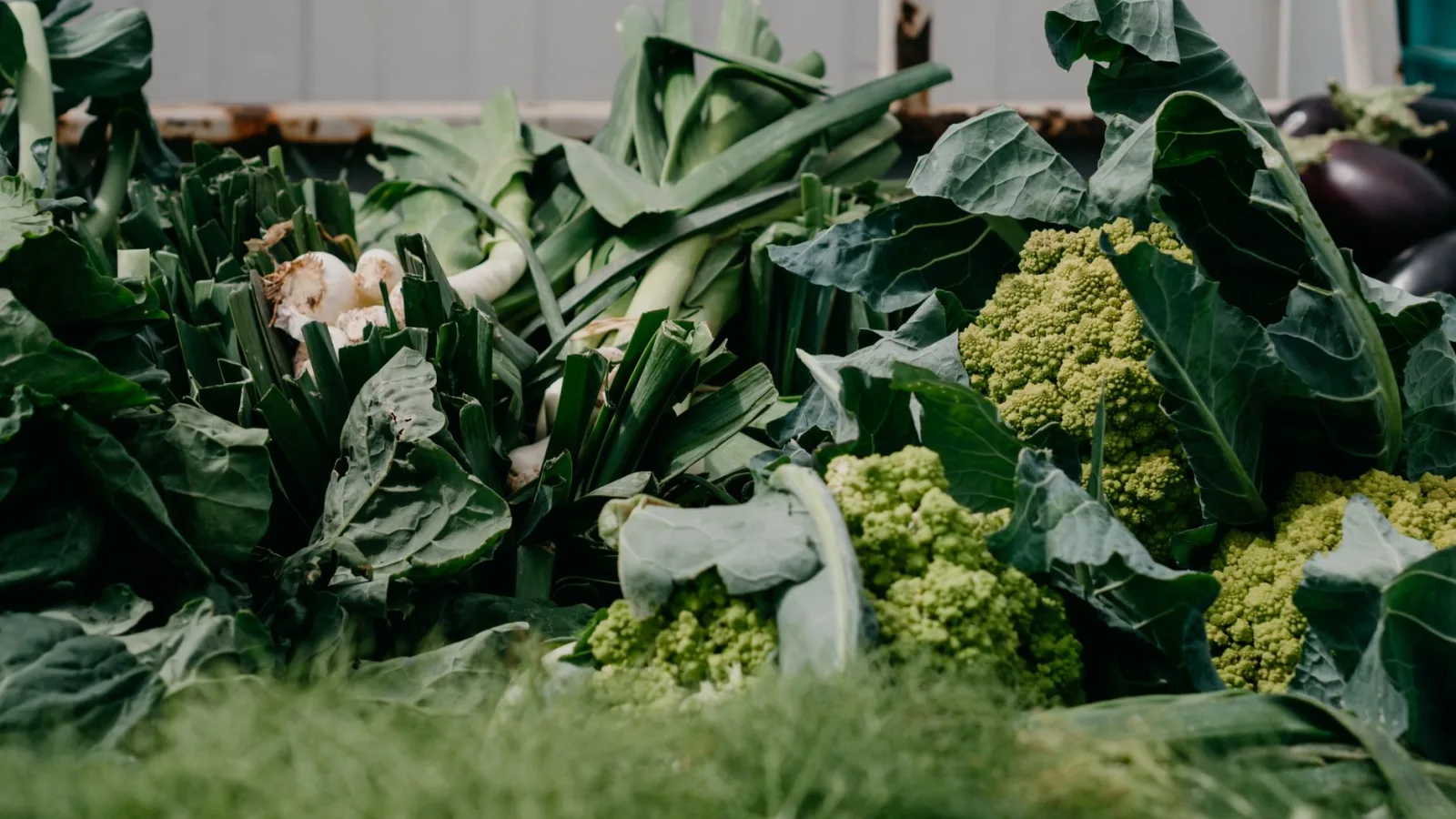
- Onion, garlic, and the white parts of green onions — the everyday aromatics
What a mouse study revealed about immunity
A 2026 study in the journal Gut Microbes looked at how this metabolite connects to the immune system, using mice. Animals whose feed was supplemented with inulin grew tumors more slowly, and the effect was greater when a PD-1 inhibitor — an immunotherapy drug — was given alongside it. The number of T cells inside the tumors rose as well, especially the CD8 T cells that attack cancer cells directly.
The researchers then tested whether feeding butyrate on its own, without the inulin, produced the same result. The slowdown in tumor growth showed up again just as it had, and in mice whose CD8 T cells had been stripped away, the effect vanished. The explanation converges on this: inulin isn't acting on the tumor itself. The butyrate that gut bacteria build from inulin is what shapes how immune cells multiply, migrate, and run their metabolism.
The picture in humans isn't nearly this sharp yet. The same study surveyed the diets of 117 lung cancer patients undergoing immunotherapy and found their daily fiber intake fell below the averages reported in earlier research. Even so, the more fiber a patient ate, the more butyrate-producing bacteria they carried. Whether that carries all the way through to treatment outcomes is still an open question.
Making the most of them from the summer garden
Inulin stands up to heat reasonably well, but a long boil leaches it into the water. With burdock, scrape the skin lightly with the back of a knife — just enough to take off the dirt — and cook it braised or stir-fried. The good stuff sits right beneath the skin, so peeling it thick is a waste. Sunchokes are easiest sliced thin and raw into a salad, or dried and steeped as a tea.
Eating a big pile of high-inulin vegetables all at once can leave you gassy and bloated. That's the gut bacteria kicking off fermentation, and it usually settles within a few days, but if you're prone to irritable bowel symptoms, start with a handful a day and build up slowly.
There's work waiting in the beds right now, too. Burdock normally goes in as seed in spring, but in central Korea and southward you can also sow at the end of August and dig the roots the following spring. Sunchokes can stay in the ground until fall as they are, and with garlic planting in mind for late September, clear one row of a bed now and leave it empty.
Add a root of burdock to tonight's dinner. No food replaces immunotherapy. But the meal that these underground crops leave for the bacteria in your colon builds up on the table, one day at a time.
Reference · Gut Microbes, study on dietary inulin and the antitumor activity of butyrate derived from gut bacteria