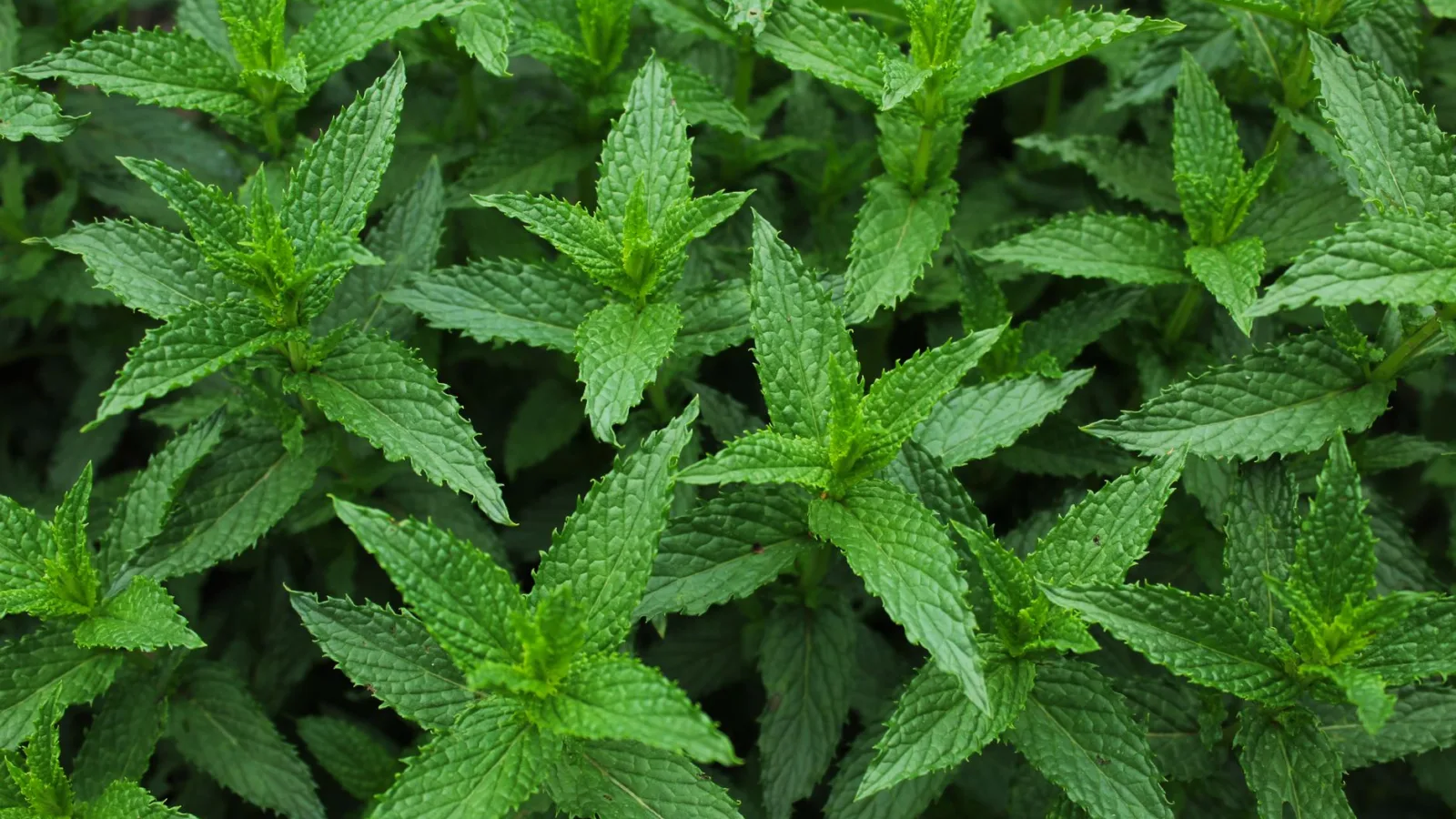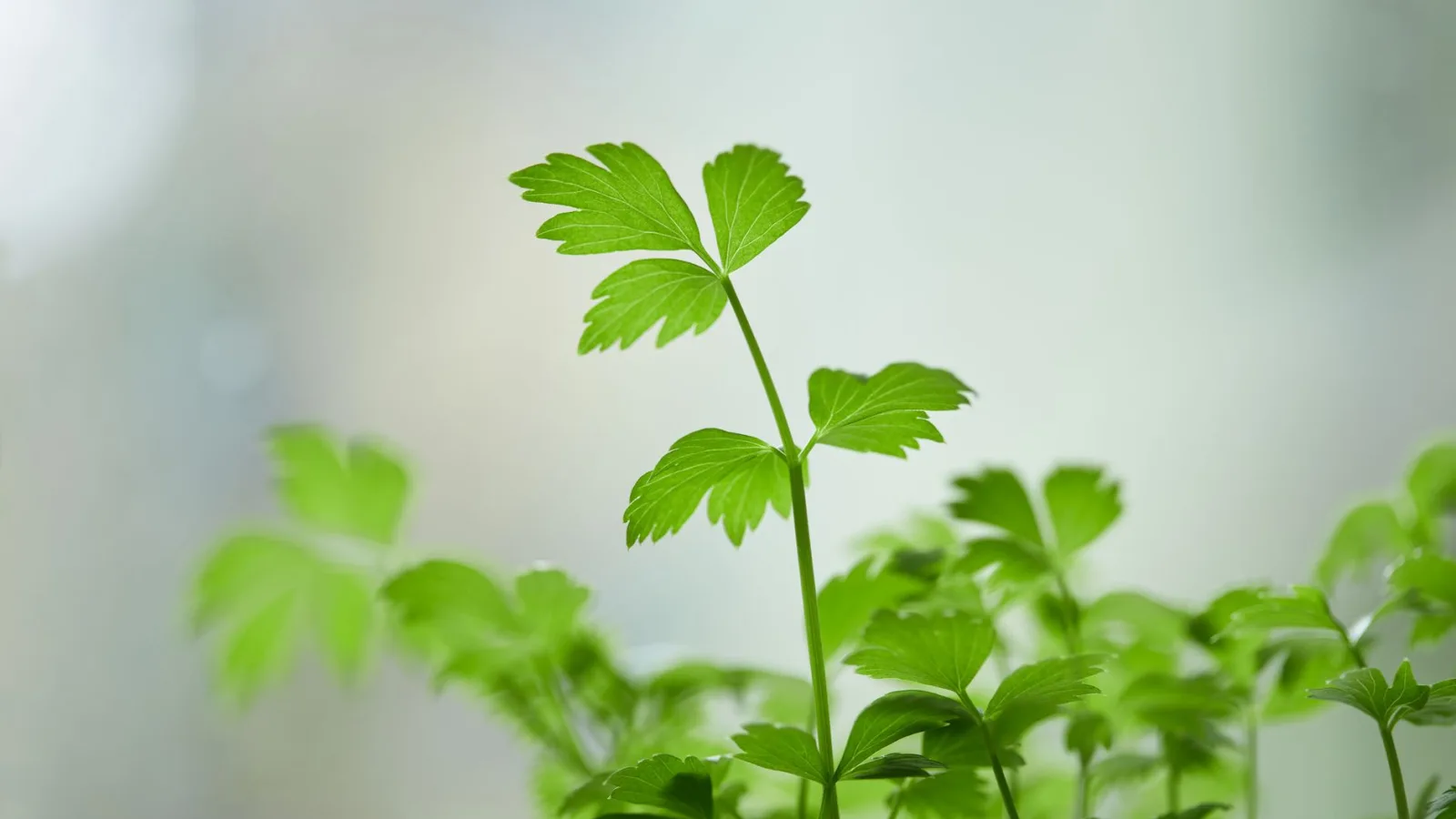
In the Northern Hemisphere, October is when the leaves on a bed of spring-planted cnidium begin to yellow and die back. Work the soil aside with a homi, the Korean hand hoe, and you'll turn up knobby, jointed rhizomes. Even the dirt left on your hands carries their strong scent. Cnidium, or cheongung (Cnidium officinale), is a perennial in the carrot family, and its rhizome has long been used both as food and as medicine. The Donguibogam, the medical encyclopedia compiled by Heo Jun in the early 17th century, gave this root an entry of its own.
Gunggungi in the Donguibogam
The Donguibogam lists the plant in its Herbs section (草部) as gunggung (芎藭), with its everyday Korean name, gunggungi, written alongside in hangul. It records the root as warm (溫) in nature, pungent (辛) in taste, and nontoxic (無毒). "Warm" is a term Korean medicine uses to classify the nature of a remedy, and it has nothing to do with the kind of temperature you read on a thermometer. The text notes that the plant was cultivated far and wide, and that its roots were dug in the third and ninth lunar months and dried in the sun.
The book also says which roots were prized. Heavy, solid pieces shaped like a sparrow's head were called "sparrow-brain" cnidium (雀腦芎) and ranked as the best, while the small knobs at the tips of the shoots got a separate name, mugung (蕪芎). Its directions for use come with a caveat: do not take it alone for long periods; use it together with other herbs. That line reflects what an old medical text said, not current medical advice. You can read the original heading and an explanation in Homiclub's Donguibogam entry for gunggungi.
What Modern Analysis Has Found
Several research teams have isolated and reported phthalide compounds, including ligustilide, from the rhizomes of cnidium and its close relatives. Ligustilide is one of the compounds that give this group of plants its aroma, and most of the strong scent comes from the volatile fraction known as the essential oil. The rhizomes also contain ferulic acid, a phenolic acid found widely across the plant world, and starch, the storage compound that makes the knobs heavy and firm.
The same studies report that the makeup of the volatile compounds shifts as the root is dried and stored. Keep in mind that this work analyzes composition. It tells us what's in the root, but not what each compound does in the body.
Where Old and New Agree, and Where They Don't
The Donguibogam calls the root pungent, and modern analysis has found strongly aromatic volatile compounds in that same root. Both describe a potent root: the old text through its taste, modern analysis through its scent. The old preference for heavy, solid pieces also fits the finding that starch is what gives the knobs their weight and firmness. And because the ninth lunar month usually falls around October on today's calendar, the old autumn harvest lines up almost exactly with the modern garden harvest (October–November).
They also part ways. The old texts classified remedies by nature, taste, and whether they were toxic, while modern analyses list compound names and proportions. That makes it hard to match a word like "warm" to any single compound. The names are tangled too. "Cheongung" is used for both Cnidium officinale and plants in the genus Ligusticum. The wild gunggungi of Korea's hills and fields (Angelica polymorpha) shares the old name even though it belongs to a different genus. So whether you're buying rhizomes to plant or dried root from an herb shop, check the scientific name too.
Planting, Harvesting, and Drying
In the Northern Hemisphere, cnidium is planted in March–April and dug in October–November. Its growing calendar, key compounds, and good food pairings are collected in the cnidium entry in Homiclub's Crop Guide. If you've just harvested yours, shake off the soil, wash the rhizomes, slice them thin, and dry them in the sun. Whole roots won't dry all the way through and tend to mold. Once the slices are completely dry, store them in an airtight container somewhere cool, and freeze anything you plan to keep for a long time. Since the volatile compounds change during drying and storage, keeping the slices away from air and heat should help them hold their aroma.
In the Kitchen
In Korea, cooks add cnidium to the pot to cover gamey odors when making baeksuk (a whole chicken simmered in water) or jokbal (pigs' feet braised in a soy-sauce broth). Add two or three slices once the water comes to a boil, let them steep for about 20 minutes, then take them out. You'll keep more of the aroma than if you add them at the start and let them simmer for a long time. Too much will make the broth bitter, so don't increase the amount.
To make a tea, add a few jujubes (Korean dried red dates) to the pot. Their sweetness softens the aroma. Once the water boils, turn the heat to low and let it simmer gently. Because the Donguibogam warns against taking cnidium alone for long periods, check with a doctor of Korean medicine or a pharmacist first if you plan to drink it every day over a long stretch.
Today, try slicing one of the roots you've dug and spreading the slices out in the sun.
Source: Heo Jun, comp., Donguibogam, Herbs section (草部), entry "Gunggung (芎藭)."