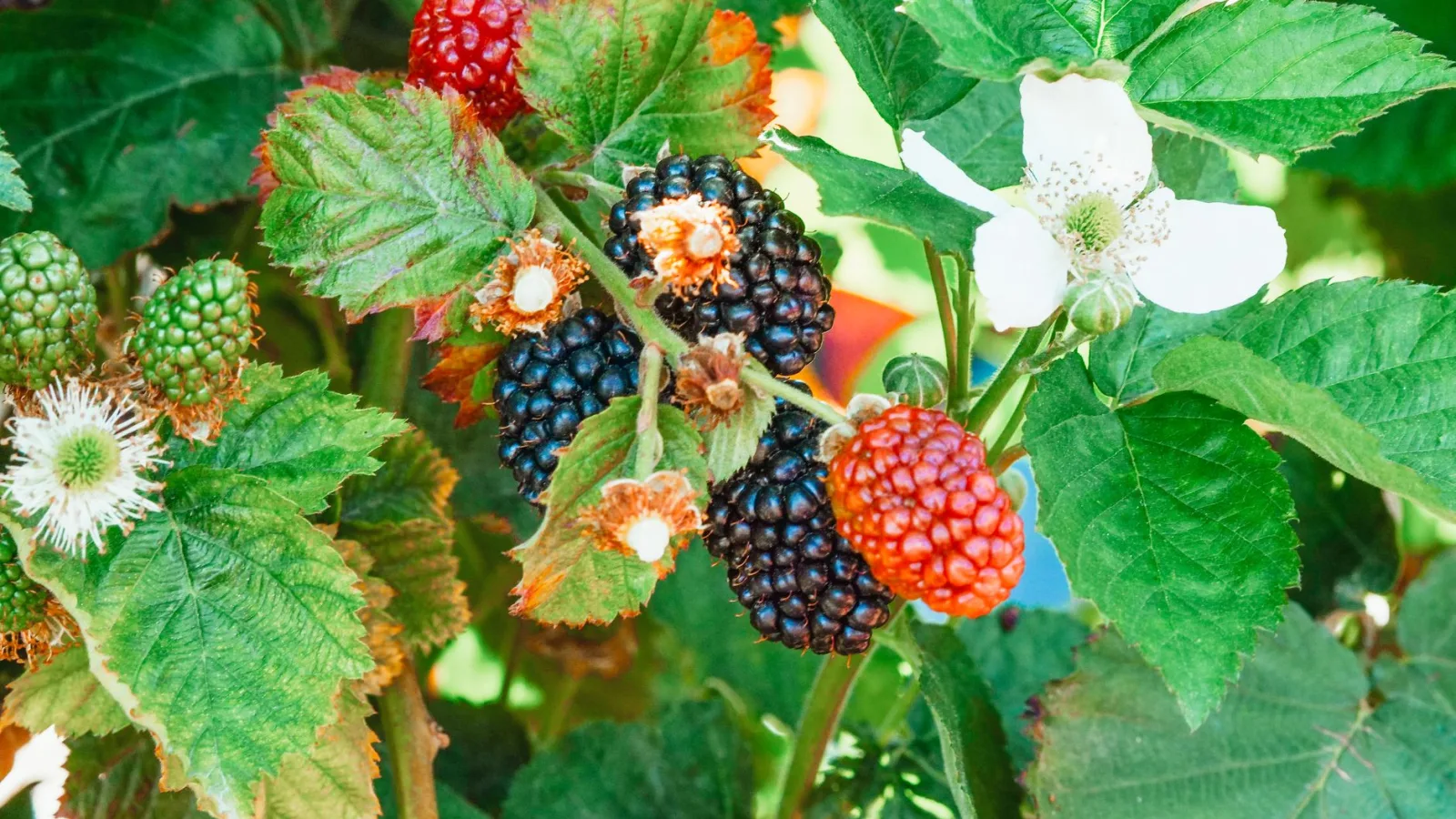
In the Northern Hemisphere, October is when the bokbunja plants at the edge of the garden start to drop their leaves. The old canes that fruited this summer are drying out, while the new canes that came up this year will stand through the winter. You may even have a few bags of June's harvest still tucked away in the freezer. Bokbunja, or Korean black raspberry (Rubus coreanus), is a bramble in the rose family native to Korea, China, and Japan. How did the old medical texts describe this fruit, and what has modern analysis of its compounds found?
What the Dongui Bogam Recorded
The Dongui Bogam (Treasured Mirror of Eastern Medicine), compiled by the physician Heo Jun in the early 17th century, lists bokbunja under the name 覆盆子 in its section on fruits. It describes the fruit as neutral in nature (neither cooling nor warming), sweet and sour in taste, and nontoxic. 覆 means "to turn over" and 盆 means "an earthenware basin," and the book explains that the name comes from turning a bowl upside down.
The book also records when to pick the fruit and how to prepare it. The berries were picked when they were about 50 to 60 percent ripe, then dried in the sun before use. The same fruit section has a separate entry for bongnyu (蓬藟), which refers to meongdeok-ttalgi, a wild raspberry with long, trailing stems. The Dongui Bogam treats the two fruits separately and does not group them together. You can read the original text and its commentary in the bokbunja entry in Homiclub's Dongui Bogam.
Keep in mind, though, that this is a record from a historical medical text, and it differs from the judgment of modern medicine. Please don't take the uses described in the book as a basis for treatment today.
Source: Heo Jun, Dongui Bogam, Tangaek-pyeon (the materia medica volume), fruit section, entries for 覆盆子 (bokbunja) and 蓬藟 (bongnyu).
How It Compares with Modern Analysis
Studies of the fruit's composition have identified cyanidin-type anthocyanins in bokbunja. These pigments give the berries their deep, blackish red color. Researchers have also reported polyphenols such as ellagic acid and ellagitannins, which give the fruit its astringent, slightly puckery taste.
On flavor, the old record and modern analysis fill in each other's gaps. The Dongui Bogam called the fruit sweet and sour. Modern analysis explains that the astringency that lingers on the tongue comes from ellagic acid and ellagitannins.
There are differences, too. The medicine described in the old text was underripe fruit that had been dried. The berries we pick and eat in the garden or cook into jam are fully ripe. The name is the same, but the harvest time is not. And while the old text recorded the fruit's medicinal uses, there are still few studies in humans. So it's hard to say for certain what bokbunja does in the body when you eat it. For now, what we can say goes only as far as its composition.
Growing and Harvesting in the Garden
In the Northern Hemisphere, set out young plants in March or November, while they're dormant and leafless. The fruit is harvested in June and July. Planting and harvest months, along with related reading, are collected in our bokbunja crop guide.
Bokbunja flowers and fruits on canes that grew the year before. Once a cane has borne fruit, it dies back that same year. When the harvest is over, cut those canes off at the base so sunlight and air can reach the new ones. The canes are thorny, so wear heavy gloves when you work on them.
Pick the berries once they've turned from red to a deep purple. If a berry comes away easily with a gentle tug, it's ripe and ready to eat. The berries crush easily, so spread them out in a shallow basket as you pick.
Bringing It to the Table
Start with yogurt. Crush bokbunja into plain yogurt, and the two kinds of tartness layer together while the milk fat softens the astringency. The berries turn the yogurt a lovely color, so you won't need a garnish. They're also good blended with milk into a drink.
The season is short, just June and July, so extra berries go into jam or cheong (a Korean fruit syrup) to enjoy later. Steep ripe bokbunja in sugar or honey and you have cheong. Simmer the berries with sugar and you have jam. Bokbunja is fairly low in pectin, so a little lemon juice in the pot will help the jam set.
Today, clear a spot at the edge of your garden for the bokbunja you'll plant in November, and try crushing a few frozen berries into your morning yogurt.