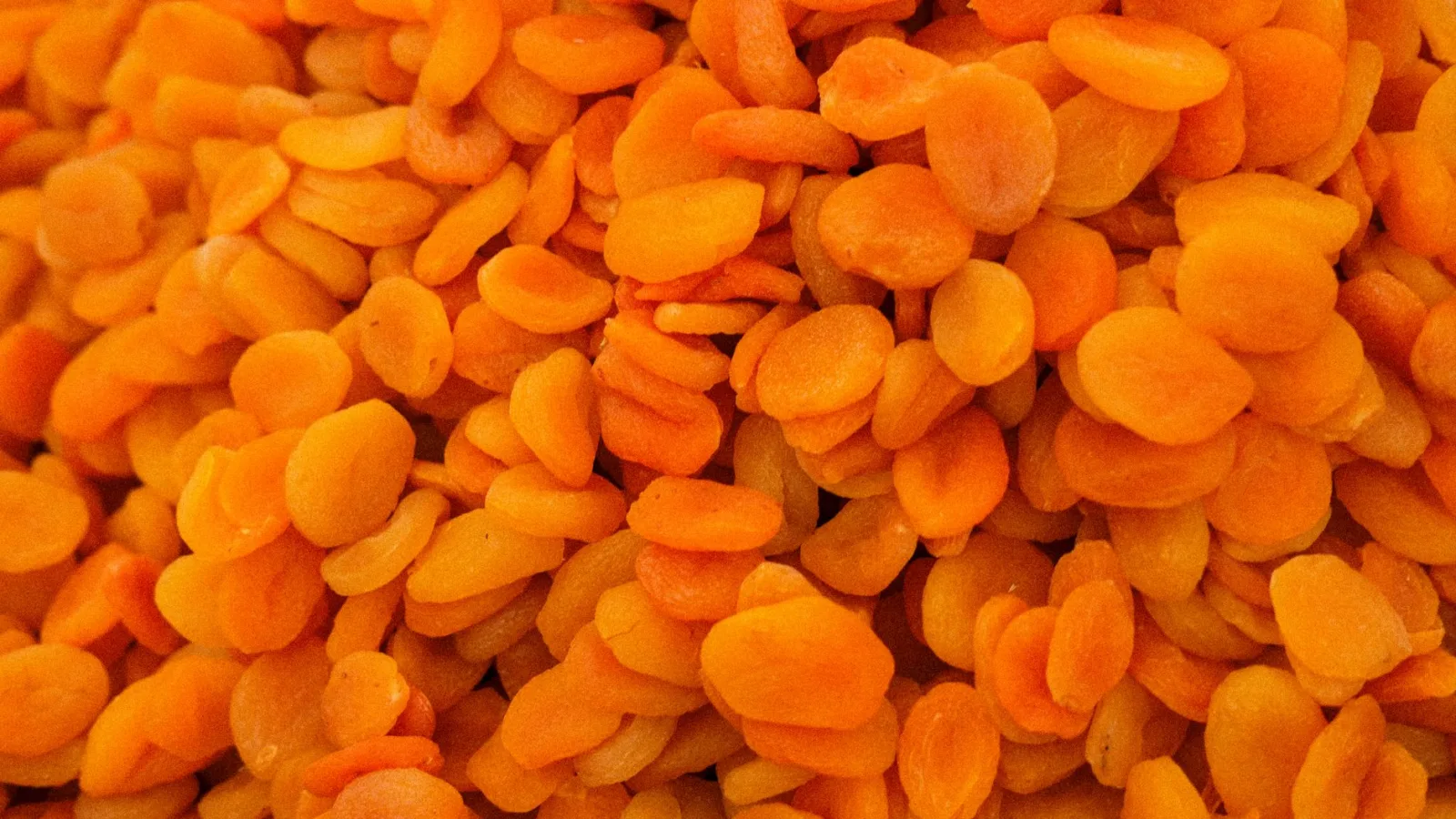
October in the Northern Hemisphere is when apricot leaves start to turn yellow. A handful of pits from last summer's jam has collected in a jar on the windowsill. Crack one of the hard shells and you'll find a kernel that looks a lot like an almond, and it's tempting to taste one. But an old medical text and modern chemical analysis both record that this kernel is toxic. Before you take a bite, let's look at what they say.
What the Donguibogam Says About the Apricot Kernel
The Donguibogam is a medical encyclopedia compiled by the physician Heo Jun in Korea's Joseon dynasty in the early 17th century. Its section on fruits lists the inner kernel of the apricot (Prunus armeniaca) pit under the name haenghaegin (杏核仁). The text describes the kernel as warm in nature and both sweet and bitter in taste, and it also states plainly that the kernel is toxic (有毒).
The text also sets conditions for using the kernel as medicine. Apricots growing wild in the mountains were not to be used, only those planted in a home garden. Shells holding two kernels instead of one, called ssangin (雙仁), were to be picked out and thrown away. These instructions come from an old medical text, and they are not the same as the judgment of modern medicine. Just because the Donguibogam treated the kernel as a medicinal ingredient doesn't mean it's safe to take apricot kernels as a home remedy today. You can read the original passage and its interpretation in the apricot kernel (haenghaegin) entry in Homiclub's Donguibogam library.
Source: Heo Jun, Donguibogam, Tangaek-pyeon (Materia Medica), Fruits section, Haenghaegin (杏核仁)
Amygdalin: What Modern Analysis Shows
Chemical analysis has confirmed that apricot kernels contain amygdalin, and bitter kernels contain especially high levels. When amygdalin breaks down in the body, it produces cyanide. The kernels also contain emulsin, an enzyme in the β-glucosidase (beta-glucosidase) family that breaks amygdalin down and releases hydrogen cyanide. That's why a number of food safety agencies have set limits on daily intake or issued warnings.
Put the two records side by side, and you can see where they agree and where they part ways.
- Where they agree: Though written some 400 years apart, both say the kernel is toxic.
- Where they differ: The Donguibogam recorded the toxicity but still treated the kernel as medicine, sorting usable kernels from unusable ones by where the apricot grew and how many kernels sat in a single shell. Today's food safety agencies look instead at whether a kernel is bitter and how much a person eats per day, and their guidance focuses on reducing harm rather than on health benefits. The uses have changed, too: today apricot kernels are also pressed for oil or used in cosmetics.
Plant Your Saved Pits in a Pot
Instead of eating the pits on your windowsill, plant them. In the Northern Hemisphere, apricots are planted in March or November. If you're starting from seed, bury the pits, shell and all, in a pot or a garden bed in November. Apricot seeds usually need a stretch of winter cold before they sprout well, so pits sown in fall should come up the following spring. Apricots bloom in early spring, so if late frosts are common where you live, avoid low spots where cold air settles.
Keep in mind that a tree grown from seed may bear fruit that tastes different from its parent's, and it can take several years to produce its first fruit. If you want a harvest sooner, plant a grafted nursery tree in March instead. In the Northern Hemisphere, apricots are harvested in June and July.
Bring the Fruit to the Table
The part of the apricot you eat is the flesh. Halve a ripe apricot, take out the pit, and serve it with plain yogurt or a soft cheese like ricotta. The fruit's tartness goes nicely with the mild dairy.
Apricot season is short, so make jam to enjoy the fruit longer. Apricots have just the right amount of acid and pectin, so the jam sets well. When you make jam, take out the pits and cook only the flesh. If you buy apricot kernels or products made from them, read the serving guidance and warnings on the package first. Planting months and food pairings are collected in the apricot kernel entry in Homiclub's Crop Guide.
For today, set aside a few pits to bury in a pot in November. Then label the windowsill jar "Do not eat" and move it to a shelf children can't reach.