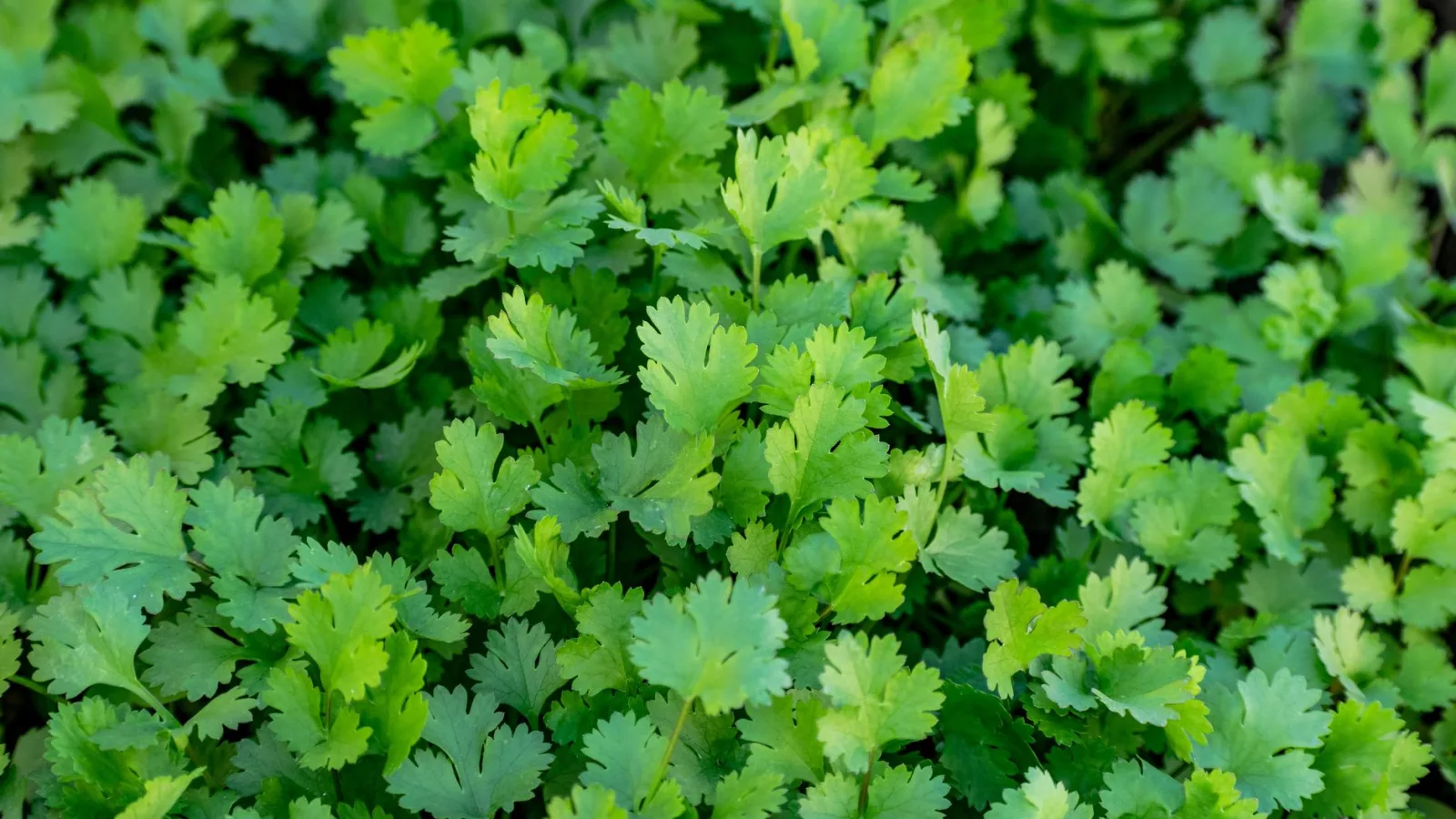
Meeting Cilantro in the Corner of the Garden
Homi, once spring settles in, you'll find cilantro waving its slender leaves in some corner of the garden. Rub a leaf between your fingers and the scent rushes straight up your nose — and that one scent draws a clear line between the people who love it and the people who can't stand it. A handful scattered over a bowl of pho, or tucked into tacos and salsa, changes the whole character of a dish in an instant.
But cilantro isn't only a fragrant garnish. It earns a place in the Dongui Bogam, the great Korean medical compendium of the 17th century, under the name husu (胡荽). Today, let's take our time looking at how that old text understood this plant.
How the Dongui Bogam Saw It
The Dongui Bogam described cilantro's nature as "warm (性溫), though some call it neutral." Its flavor was recorded as pungent (味辛), with a bit of a bite to it. The text also noted, plainly, that this is a vegetable with a very distinctive smell.
As for uses, digestion came first. The original phrase is sogok (消穀) — it breaks down grain, warms the stomach and spleen, and helps food move along. The old habit of serving cilantro alongside cold or greasy dishes traces back to exactly this idea. There's a pharmacological logic, then, behind the fact that cilantro is never missing from Southeast Asian or Latin American cooking.
The text also held that cilantro opens up the energy of the small intestine (通小腸氣) and clears the passages of the heart (通心竅). The sharpness of the aroma was understood, in part, as something that relieves stuffiness — a blocked nose, a fit of sneezing.
One passage stands out: its use in bringing out a rash. The original reads, "it treats measles rash and pox that will not come out (療沙疹豌豆瘡不出)." In eruptive illnesses like measles or chickenpox, the tradition held that drawing the rash to the surface aided recovery. Two methods are handed down together — drinking cilantro juice, or boiling it and letting the steam wash over the skin. The seeds (子) get their own entry, credited with helping pox come out in eruptive diseases.
There's a detoxifying side as well. The Dongui Bogam recorded that cilantro cuts the fishy smell of fish and meat, and that it was used for bleeding brought on by meat poisoning.
The warnings, though, are just as clear. Eat too much cilantro for too long, the text says, and it damages a person's spirit, dulls the memory, and can cause body odor under the arms. The compendium set down not just the benefits but the shadow side of overdoing it.
Set Against Today's Nutrition Science
Today cilantro is classified in the carrot family (Apiaceae), alongside minari (Korean water dropwort), carrots, and celery. Like any leafy green, it turns up on the table as an aromatic vegetable that adds vitamins and minerals along with its flavor.
The Dongui Bogam's claim that it warms the stomach and spleen to aid digestion sits comfortably beside our modern habit of pairing aromatic herbs with rich or cold food to wake up the appetite. The note about cutting fishy odors, too, runs right alongside the way we still lay cilantro over fish and meat dishes today.
There's an intriguing difference as well. Some of you, Homi, taste soap in cilantro — and that's linked to a variation in a gene called OR6A2. It's a curious echo: the science behind why opinions split so sharply lines up neatly with the old text's observation that this vegetable has an unusual smell.
That said, everything in the Dongui Bogam belongs to the framework of traditional medicine. Rather than reading the passages about drawing out rashes or detoxifying as claims about modern treatment, it's better to take them as a record of how people in the past put this vegetable to work.
From the Garden to the Table
Cilantro is most familiar to us raw. A handful of leaves over pho, tacos, or salsa brings the whole dish to life. It can be juiced, and the seeds, dried, become the spice we know as coriander. The leaf and the seed smell strikingly different, so there's a pleasure in getting two aromas out of a single plant.
A few cautions are worth noting. The Dongui Bogam warned that eating large amounts over a long stretch can cloud the mind and dim the eyes, so as much as you may love the scent, it's wise not to pile it on all at once. And if you have an allergy to carrot-family vegetables — minari, carrots, celery — do watch for cross-reactions.
If you're growing cilantro in your own garden, Homi, harvest the leaves while they're still tender and bring them straight to the table. Eat with that long history of uses in mind, held in a single thread of scent, and the plate somehow tastes deeper.