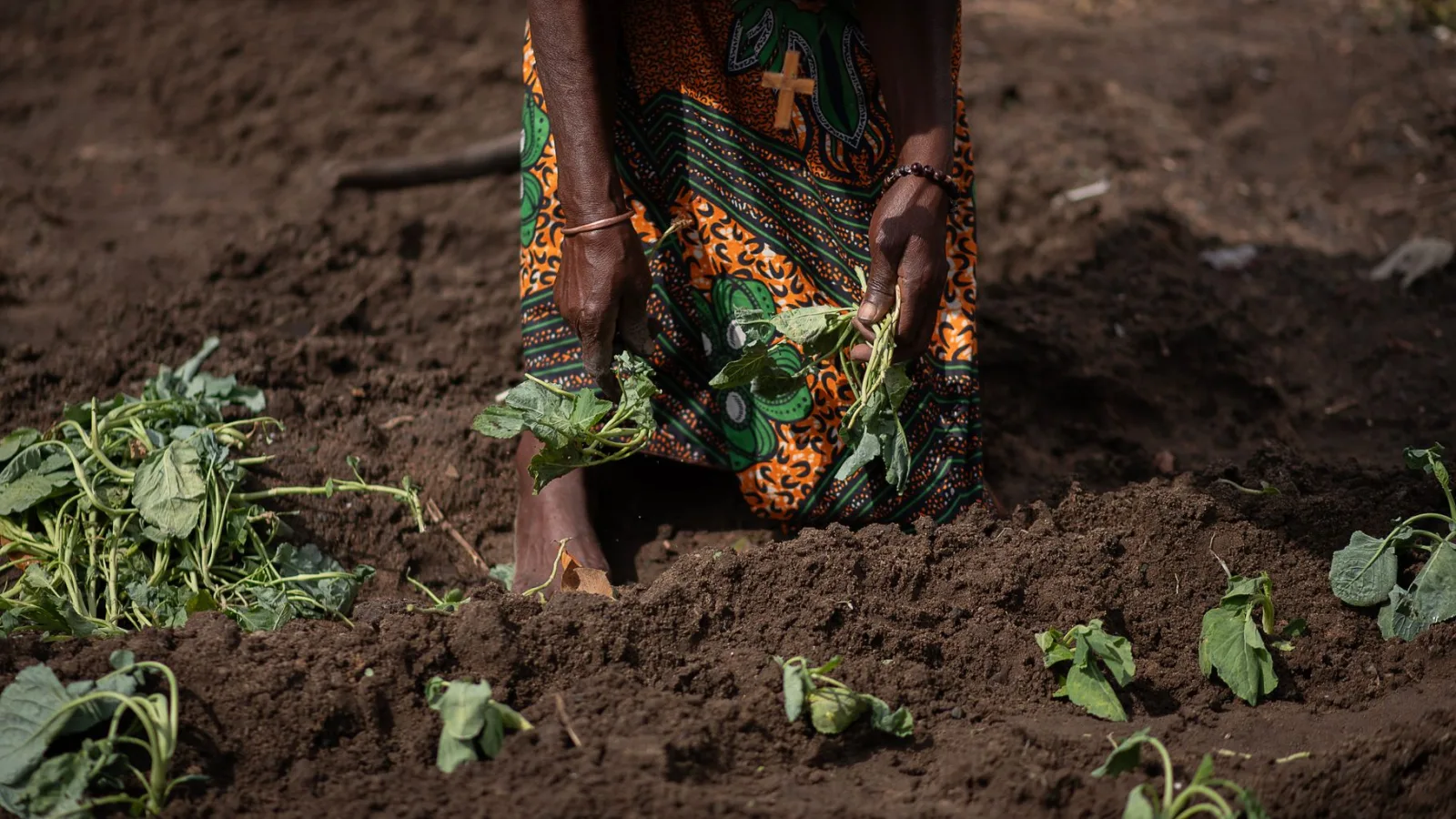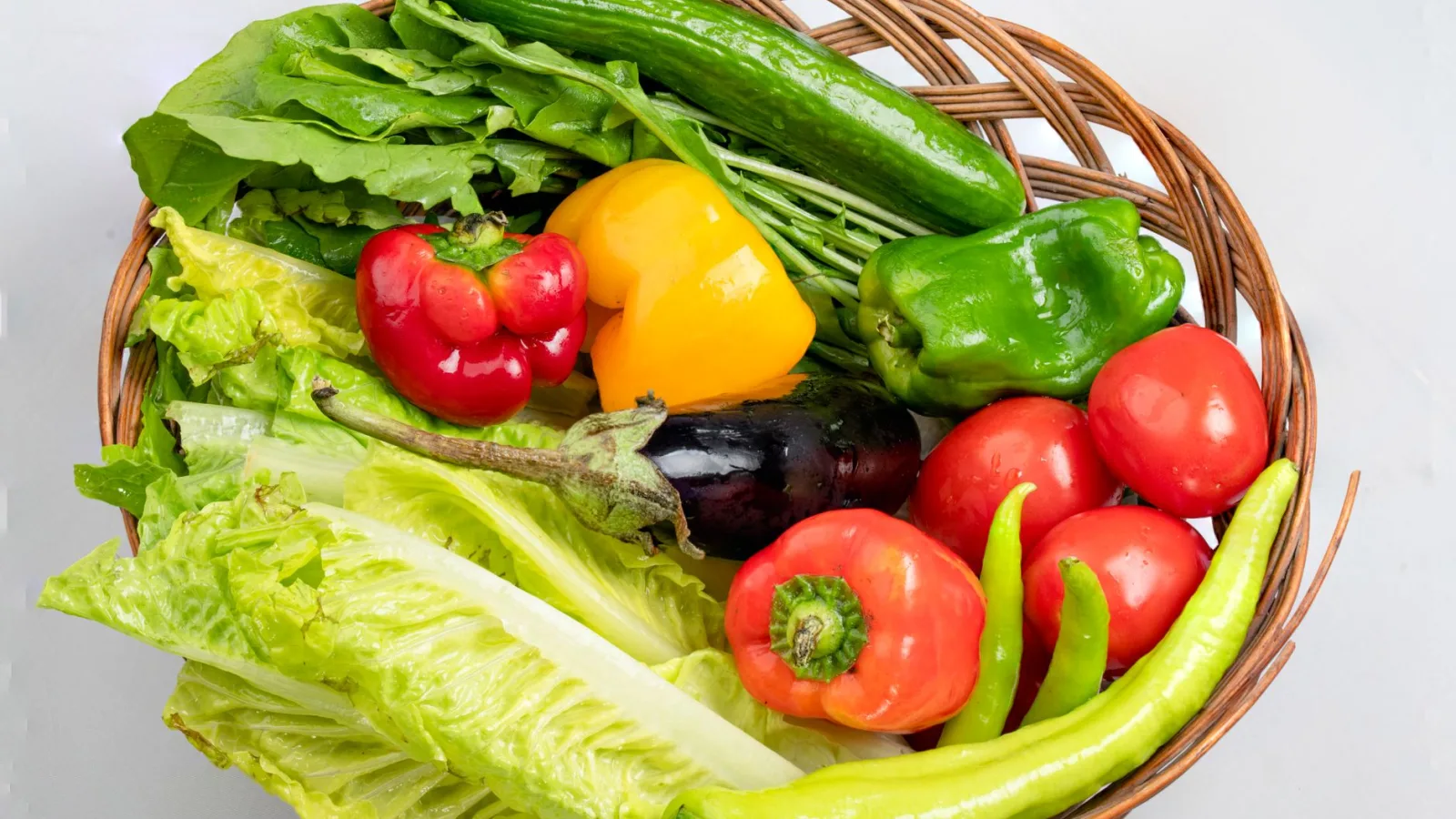
Come July, bring in a harvest of lettuce, chard, and zucchini from the garden, and half your dinner table fills itself with vegetables. Sitting down to a meal like that, you may have wondered whether so little meat leaves you short on protein. A study on aging in mice offers a somewhat different answer to that worry.
They Ate More and Still Lost Body Fat
Researchers fed mice a diet modeled on the Mediterranean way of eating. It was built mainly around olive oil, whole grains, and beans. The overall share of protein was lowered, but methionine, an essential amino acid, was kept at adequate levels.
Mice on this diet actually ate more. Even so, they lost body fat, and the frailty that comes with age set in later. Their frailty scores stayed lower than those of other mice the same age. The scores were based on coat condition, front-paw grip strength, and daily activity. The mice weren't leaner because they ate less. Instead, their bodies seem to have changed how they used what they ate.
Why Cut Protein but Keep Methionine?
Methionine is an amino acid the body can't make on its own, so it has to come from food. It's plentiful in meat, eggs, and fish, and relatively scarce in beans, grains, and vegetables. Animal studies have repeatedly found that sharply cutting methionine extends lifespan and improves blood sugar and fat metabolism. Cut it too far, though, and muscle wastes away and immunity weakens. That's why this study chose to lower total protein while keeping as much methionine as the body needs. The researchers believe the mice's bodies shifted into a protein-sparing mode and burned more fat as a result.
It's too early to apply results from mice directly to people. Still, surveys of populations across several countries have found lower rates of obesity and type 2 diabetes in groups that eat less animal protein. The human evidence is still only observational, but it points in the same direction.
What to Try at Your Summer Garden Table
Bringing these findings to your table is simple. Most of what the summer garden produces already fits the bill.
- Cut back to one meat dish a day, and fill in the rest of your protein with foods from the field, like tofu, doenjang (Korean fermented soybean paste), and fresh green soybeans.
- When dressing vegetables, add a spoonful of olive oil or perilla oil (a nutty oil pressed from perilla seeds). It helps your body absorb the fat-soluble nutrients in chard and zucchini.
- Mix barley or oats into your white rice, and the same amount will keep you full longer.
- A lower-protein diet isn't right for growing children, older adults, or people recovering from illness. This advice is meant for adults whose metabolism is stable.
Tonight, try leaving out the plate of meat and serving vegetables fresh from the garden with a block of tofu instead. Changing just one meal is a good place to start.
Sources: a mouse study on improved aging markers from a low-protein, methionine-adequate Mediterranean-style diet; population surveys on animal protein intake, obesity, and type 2 diabetes