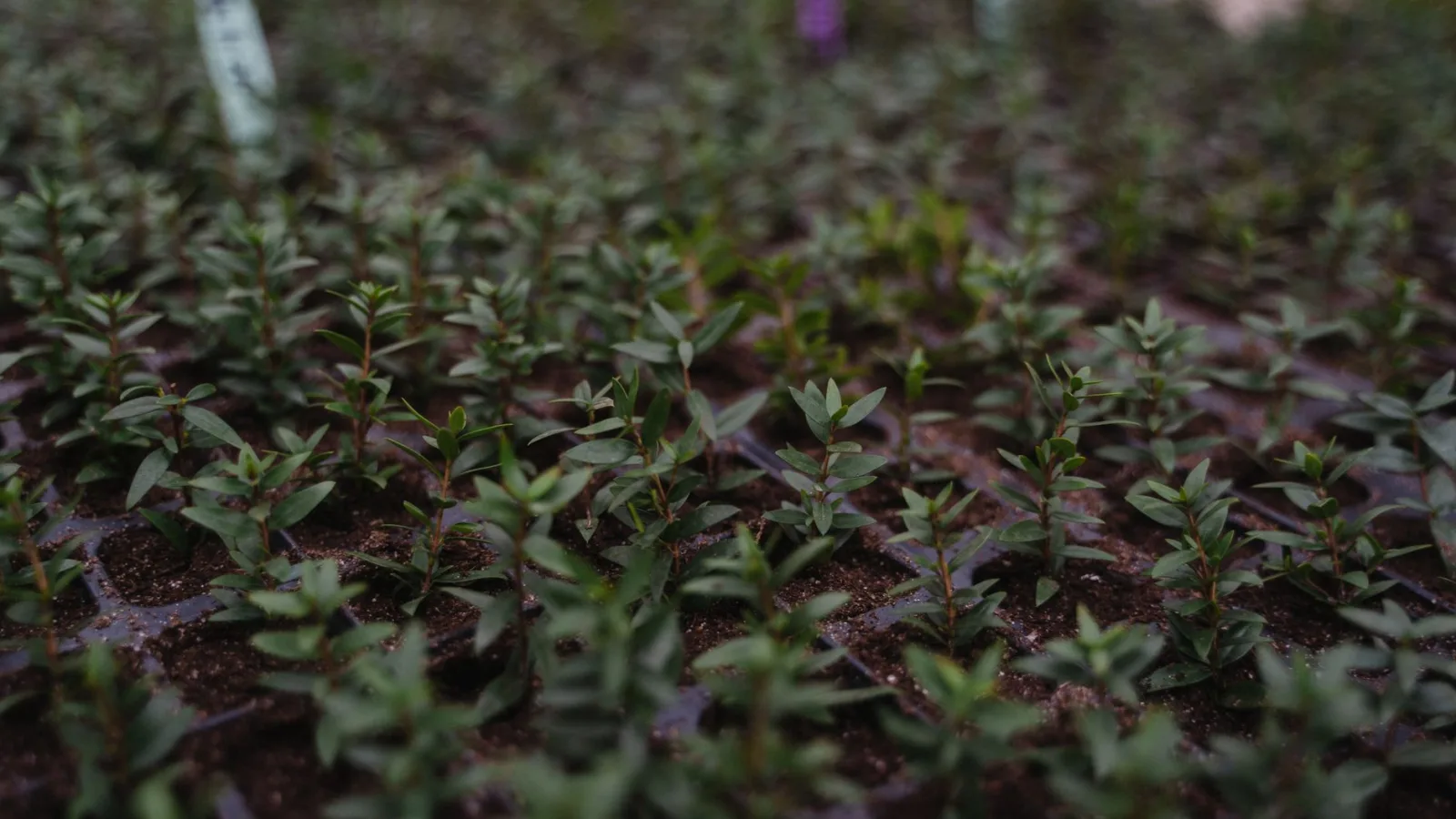
It's the first week of September, and the beds are bare where the summer crops came out. Ground like this usually just sits until the first frost. But there's a plant you can sow right now that will overwinter and hand you your first greens of early spring: cow parsley (Anthriscus sylvestris), a perennial in the carrot family, known in Korea as jeonho. Along Korea's south coast, growers cut the young shoots between February and April and eat them as a seasoned green.
What the Donguibogam Says About 前胡
The herb section (草部) of the Donguibogam carries an entry under the name 前胡. Slightly cold in nature, it says; sweet and pungent in taste; not toxic. It grows in many places, and the root is dug in the second and eighth lunar months, then dried in the sun. An old Korean name for it survives in the text as 샤양불휘 (syayang-burhwi). This is a record about a dried root handled as medicine — not about leaves blanched and dressed for dinner. It reflects the thinking of a historical medical work and does not line up with modern medical judgment. The original passage and a plain-language reading of it sit side by side in Homiclub's Donguibogam notes.
Same Name, Different Plants
The Korean Pharmacopoeia defines the medicinal 前胡 as the root of Peucedanum praeruptorum or purple-stem angelica (Angelica decursiva). The jeonho grown as a leafy green in south-coast fields is Anthriscus sylvestris. They share a name and nothing more. Which means the nature and flavor set down in the old books can't simply be copied over onto leaves you cut in your own garden. That's why the Homiclub plant guide keeps the historical record in a section of its own and draws everything about composition and use from present-day sources only.
What We Can Confirm Today
The smell that lifts off the leaves when you cut them comes from volatile compounds — what's called the essential oil. How much of it survives depends on how long you blanch and how hot the water is. The leaf tissue itself is built of dietary fiber, meaning polysaccharides, which is why there's still some chew left after blanching. Green leafy vegetables are reported to carry carotenoid pigments such as beta-carotene. That said, our guide doesn't yet have a nutrition table for this particular green with per-100g figures. We'll write down only what's confirmed.
The "sweet and pungent" of the old record does overlap with what we'd now describe as essential-oil aroma and a sharp bite on the tongue. But sorting plants into cold in nature and warm in nature doesn't map onto modern chemical analysis. Where the two overlap, say they overlap; where they can't be measured against each other, say that too. It's the more accurate way to write it down.
Sow in Autumn, Harvest in Spring
Sow the seed in September or October in the Northern Hemisphere. It germinates once the worst of the heat has broken, sits through winter, and gives you young shoots the following February through April. Because it's a perennial, once it settles into a spot the shoots come up again the spring after that. If you garden in the Southern Hemisphere, shift the whole schedule six months: sow in March or April, harvest from August through October. A calendar of planting and harvest months is in the cow parsley entry.
Getting It to the Spring Table
Blanch the shoots briefly, rinse them in cold water, then squeeze them out — really dry. Leave water in the leaves and the seasoning just slides off.
- Dressed (muchim): toss the greens with doenjang (fermented soybean paste) and perilla oil. The oil holds the aroma in place instead of letting it escape, and the salt in the doenjang takes the edge off that sharp bite.
- Fried: young leaves are good whole, folded into a flour batter and pan-fried as jeon (a batter-dipped fritter cooked in oil). Split the thicker leaves in half before they go in.
- Soup: in doenjang soup or a clear broth, add them just before you cut the heat. Boil them long and the leaves fall apart. One handful per pot is plenty.
Pick one empty row today and get the seed in the ground. And in spring, when you're dressing that first cutting, take a moment for this: the 前胡 of the old medical texts and the green on your plate are two different plants.
Sources: Donguibogam, Tangaekpyeon (Decoctions), herb section; Korean Pharmacopoeia, crude drug monographs.