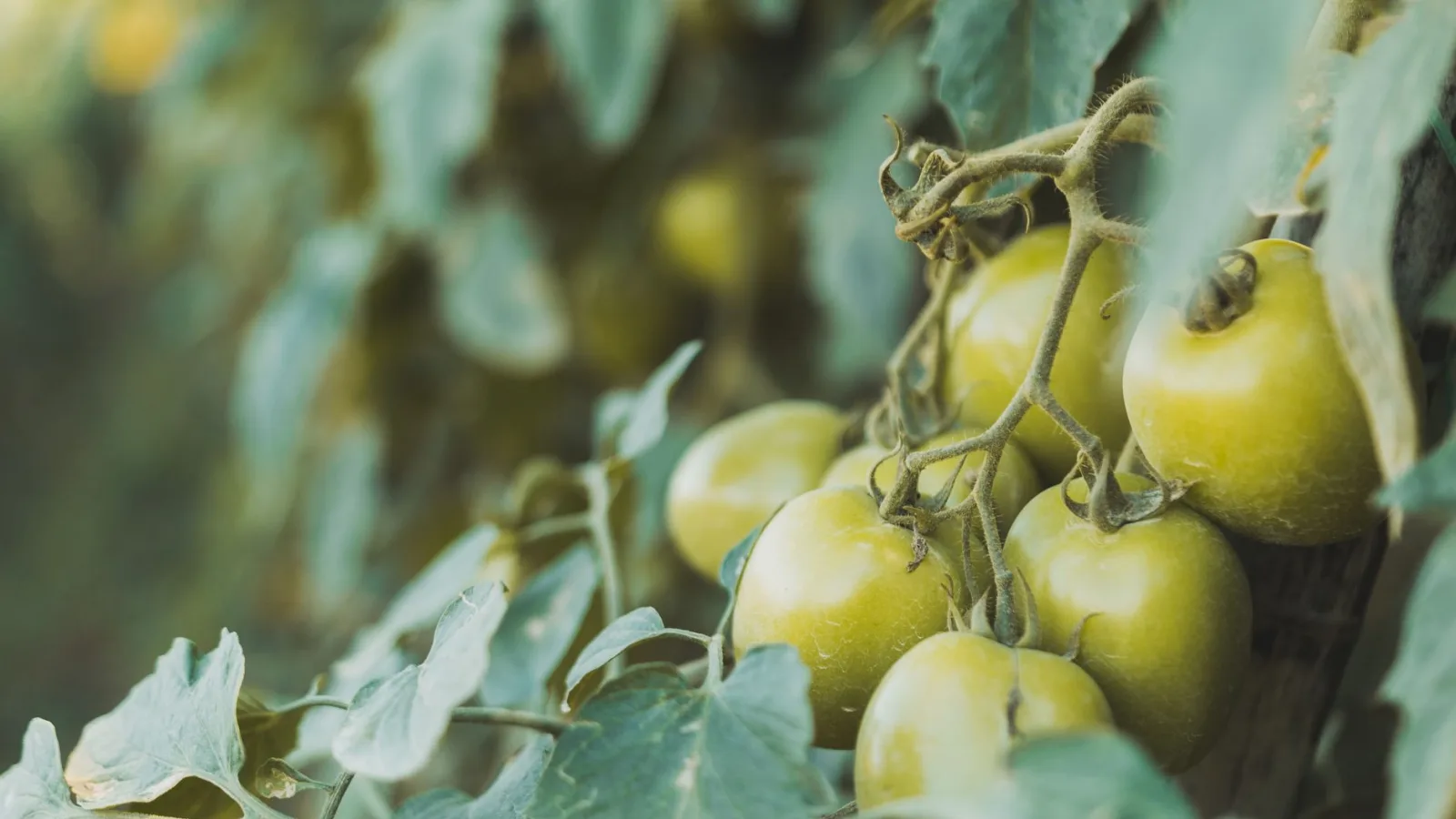
It's two in the afternoon in July, and the tomato leaves are drooping. You watered this row at sunrise, and still the leaf tips are curling inward. Then the sun drops and the plants perk right back up as if nothing had happened. It's common, too, for two plants set in the same soil on the same day to behave completely differently — one barely fazed, the other flat on its face. Some tomatoes hang on in dry ground; others wilt in a single day. Where does that difference come from?
A study that looked at 74 tomato genes
One research team combed through the entire tomato genome in search of a family of genes known as plant homeodomain, or PHD, genes. They found 74 of them, which sorted into four groups according to how closely they resembled one another. These genes work as switches, turning other genes on and off. Some were more active in the roots, others in the leaves or the fruit — and each responded differently to heat, cold, salt, and dry soil.
One gene in particular stood out: SlPHD10. When the researchers checked where it sits inside the cell, they found it in the nucleus, where the plant's genetic information is stored. That tracks — if your job is flipping genes on and off, that's where you need to be.
What opens and closes the pores on the leaf's underside
The team then blocked this one gene in tomato plants and cut off their water. Under conditions ordinary tomatoes ride out without much trouble, these plants wilted badly. The reason was that their stomata — the tiny pores on the underside of the leaf — had lost their rhythm of opening and closing. Stomata are the small openings where carbon dioxide comes in and water vapor goes out. On a dry day, closing them at the right moment saves water; if they don't close, the leaf keeps leaking. That is exactly what happened in the plants with the gene switched off. As they lost water, their capacity for photosynthesis fell along with it — and when leaves make less food, there's less to send to the fruit.
The reverse experiment pointed the same way. When the researchers inserted the same gene into yeast, the cells grew better under dry conditions. Take the gene away and the plant weakens; add it and it holds up. That's good reason to think this gene is part of how a tomato weathers a drought.
What's happening inside a wilting leaf
When water runs short, reactive oxygen species build up inside the leaf. As they accumulate, cell membranes take damage and the leaves begin to yellow. Plants push back by producing more of the enzymes that clear those compounds away. In the plants with SlPHD10 blocked, that defense broke down and the damage ran deeper. The trouble inside the cells came first; the visible wilting came after.
What you can do in the garden today
You can't reach in and adjust a gene, but there's still plenty you can do today to help the stomata close when they should.
- Water early in the morning, deeply, down at the root zone. Shallow, frequent watering keeps roots near the surface, where they dry out faster in the midday heat.
- Spread about 5 cm (2 inches) of straw, dried grass, or rice hulls over the soil. It cuts evaporation and keeps the soil from heating up as much.
- Leaves curling at midday is the plant conserving water. Don't reach for the hose right away — wait and see whether they open back up toward sunset.
- Too much nitrogen fertilizer gives you lush foliage that drinks more water. Once the plants start setting fruit, try easing off.
Choosing a drought-tolerant variety helps as well. As research like this accumulates, we'll get tomatoes that hold up better through a dry summer. But for the plants standing in your rows right now, a morning watering and a single layer of mulch are what will make the difference today. Tonight, try tucking a handful of straw around the base of each tomato.