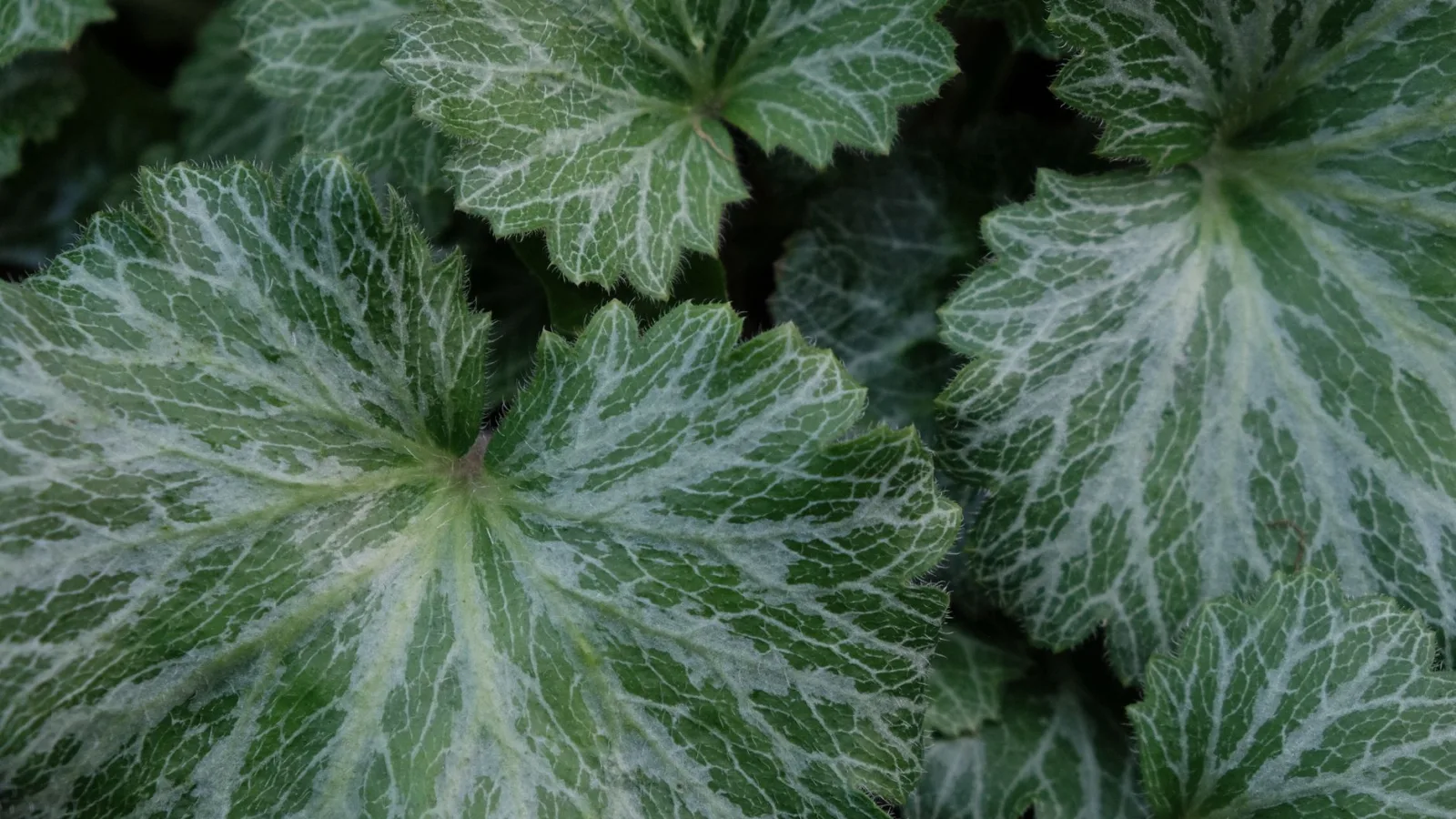
When rehmannia leaves start to wither in the October garden, the roots are almost ready to dig. In the Northern Hemisphere, rehmannia planted in April is harvested in October and November. Pull back the soil around a plant and thick, yellowish roots come up one after another.
A root straight out of the ground is called saengjihwang (fresh rehmannia). Simply dried, it becomes geonjihwang (dried rehmannia). Steamed and then dried, it becomes sukjihwang (prepared rehmannia). Herbal markets still sell the three separately. Rehmannia (Rehmannia glutinosa) belongs to the figwort family and is native to China. It has been grown as a medicinal herb in both China and Korea for a long time.
What the Dongui Bogam Says About Fresh Rehmannia
The Dongui Bogam, or "Treasured Mirror of Eastern Medicine," was a medical compendium published in Joseon-era Korea in the early 17th century. It lists rehmannia in its chobu, or herbs section, under the name saengjihwang (生地黃). The text calls the root cold in nature, sweet in taste, and nontoxic, and notes that some describe it as bitter. It gives two other names for the plant, jisu (地髓, "earth marrow") and ho (芐). It even says where the plant grows best: rehmannia is planted everywhere, but roots grown in yellow-earth soil are the finest.
The text also says when to harvest and how to choose roots. They are dug in the second and eighth lunar months, which fall in early spring and autumn, and dried in the shade. Freshly dug roots go into water. Those that float are called cheonhwang (天黃, "heaven yellow"), those that half-float are inhwang (人黃, "human yellow"), and those that sink are jihwang (地黃, "earth yellow"), the plant's own name. The thick roots that sank were the ones to keep. The text also says processing changes the root's nature. Steamed and dried, it turns warm. Simply dried, it becomes pyeong (平), or neutral, neither cold nor warm. One more rule: no copper or iron tools should touch the root during harvest.
You can read the original text, with an explanation, in the Dongui Bogam entry on fresh rehmannia. Keep in mind that this comes from a historical medical text and does not reflect modern medical judgment.
How Steaming and Drying Change the Root
The old idea that processing changes the root matches what modern analysis finds. Several research teams have shown that as fresh rehmannia is steamed and dried, its catalpol content drops and its 5-hydroxymethylfurfural (5-HMF) content rises. Even when they come from the same root, fresh, dried, and prepared rehmannia have different chemical makeups.
- Catalpol: an iridoid glycoside.
- Stachyose: an oligosaccharide made of four linked sugar units.
- 5-HMF: a compound that forms when sugars are heated.
- Water: fresh roots hold a lot of water and lose much of their weight when dried.
The old text calls the root sweet, and analysis shows it contains stachyose, an oligosaccharide. The two don't conflict. The old claim that steaming changes the root's nature also fits the finding that heat changes its compounds, since both say that processing alters the root.
The two systems still measure different things. When the Dongui Bogam calls something "cold" or "warm," it is using traditional medicine's way of classifying a substance's nature. Chemical analysis measures how much of each compound the root contains. A drop in catalpol does not mean the root has become "warmer." These studies examined chemical makeup only. They say nothing about preventing or treating disease.
Growing and Harvesting Rehmannia in the Garden
Rehmannia is usually grown from root cuttings rather than seed. In April, cut a root saved from last year's harvest into a few pieces and plant them shallowly. Roots grow thick in well-drained soil but rot quickly where water collects. If your plot stays soggy, plant on raised ridges. Many growers report poor root growth when rehmannia goes in the same spot year after year, so move it to a new spot the following season.
Dig the roots once the leaves have died back completely. The roots snap easily, so start clearing soil a little way out from the plant. Put the harvested roots in a tub of water and do as the Dongui Bogam says: pick out the thick ones that sink first. Fresh roots don't keep long, so dry anything you won't use right away in the shade. Planting and harvest months are listed in our rehmannia crop guide.
Brewing Rehmannia Tea
Instead of putting dried rehmannia straight into hot water, soak it in cold water for half a day, then simmer it in the same water. The flavor will come out more evenly. Keep the soaking water.
Prepared rehmannia is black and strong-tasting. Jujubes (Korean red dates) and licorice root make it easier to drink, mostly because the jujubes add sweetness. Herbal markets often sell rehmannia in one bag with jujubes and licorice. Long boiling makes the tea heavy and muddy, so lower the heat as soon as it boils.
If the earthy smell of fresh rehmannia bothers you, add just a couple of thin slices of ginger. Any more and you'll taste nothing but ginger. Rehmannia is sold as a medicinal herb, so if you take any medication or are pregnant, talk to a doctor or pharmacist before drinking it.
Today, dig up a single plant, see how thick the roots are, and pick a day to harvest the rest.