
Tangaek — Decoctions · Herbs
葒草 Hongcho (홍초)

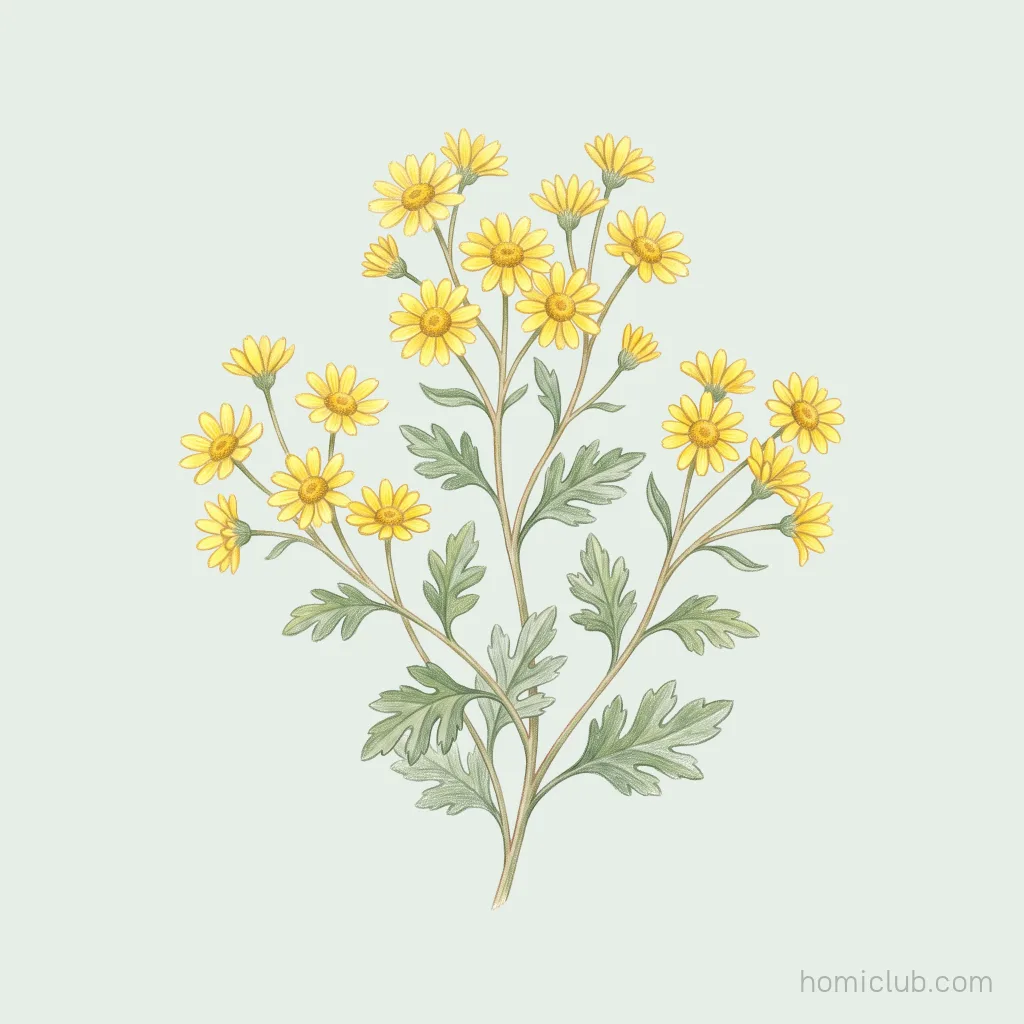
Hongcho is a knotweed that grows at the water's edge. The text notes leaves larger and downier than common smartweed and flowers of red and white, matching the tall princess feather knotweed known today. Its seed was gathered in the fifth month.
Original, read line by line 東醫寶鑑 · Tangaek — Decoctions vol. 3
-
性微寒, 味醎, 無毒.
Its nature is slightly cold, its taste salty, and it has no toxicity.
-
主消渴, 療脚氣.
It governs wasting thirst (消渴) and cures leg qi (脚氣).
-
處處有之, 生水傍.
It is found everywhere and grows beside water.
-
似蓼而葉大有毛, 花紅白色.
It resembles smartweed (蓼) but its leaves are large and hairy, and its flowers are red and white.
HomiclubThe description of large, hairy leaves fits the plant's present-day Korean name, which means "hairy smartweed" (Persicaria orientalis). Also called noinjangdae, it is an annual of the knotweed family (Polygonaceae) that grows 1–2 m tall, the largest of the smartweeds found in Korea, and from July to September bears dense red flower spikes at the ends of its branches.
-
五月採實. 《本草》
The fruit is gathered in the fifth month. 《Boncho (本草)》
Herbs — more entries
This is a cultural and historical record from a classical text, not a claim about any food’s effects. Nothing here is a health supplement or intended to prevent or treat disease. Consult a medical professional about health concerns. · Text: Korean Medicine Classics DB, collated with the Jangseogak copy of the 1613 wooden movable-type edition · Reading: Homiclub