
Tangaek — Decoctions · Herbs
菴䕡子 Jinjyubong (진쥬봉)
Amryeoja is the seed of a wormwood-family herb, listed in the Donguibogam under the Korean name 'jinjubong.' The text says its stems and leaves resemble those of mugwort and that it grows commonly everywhere. The fruit was gathered in the ninth and tenth months and dried in shade.
Original, read line by line 東醫寶鑑 · Tangaek — Decoctions vol. 2
-
性微寒, 味苦辛, 無毒.
Its nature is slightly cold, its taste bitter and pungent, and it is non-toxic.
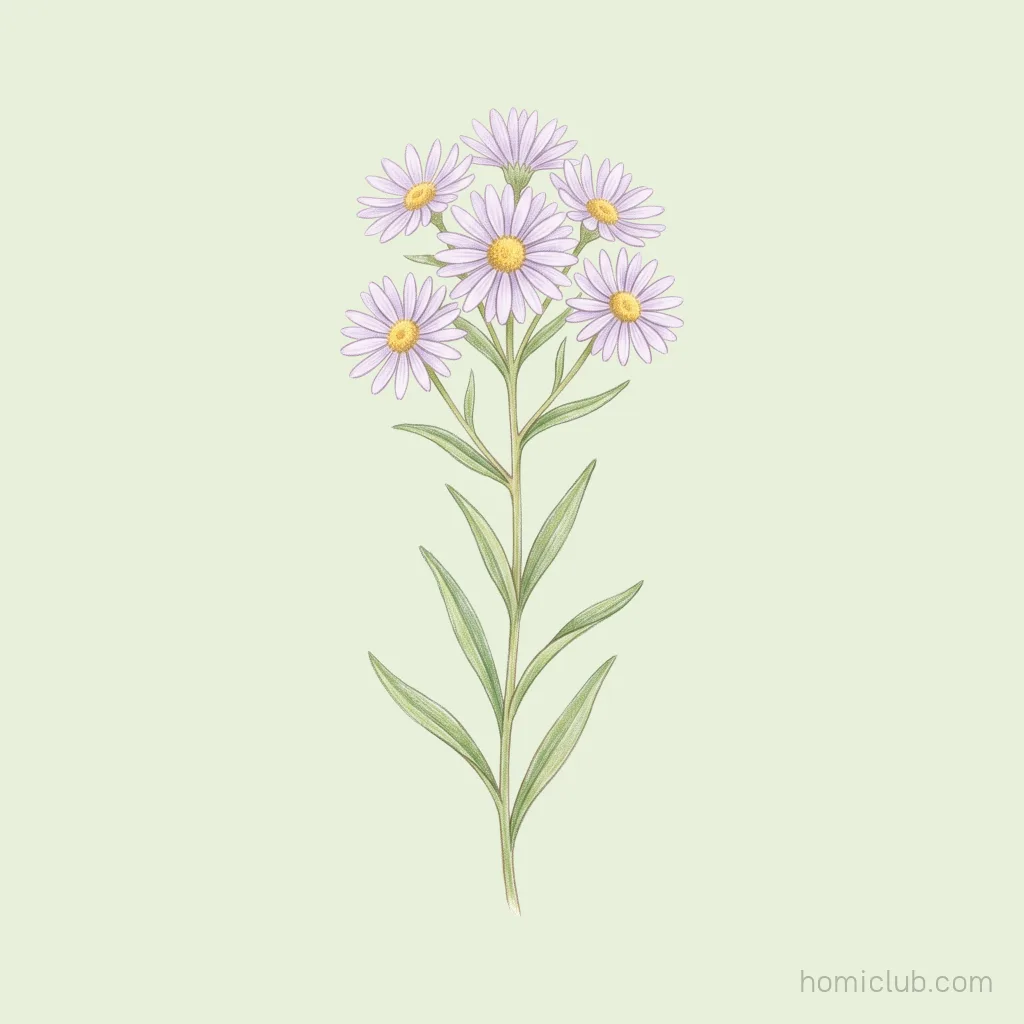
HomiclubAmryeoja is the seed of a plant in the mugwort group of the aster family. The old Korean name in the heading is jinjyubong, and because the text describes only the stem and leaf, the species cannot be pinned down to one today.
-
主五藏瘀血, 腹中水氣, 身體諸痛. 療心腹脹滿, 能消瘀血, 治婦人月水不通.
It chiefly treats static blood in the five viscera, water qi in the abdomen, and various pains of the body. It treats distending fullness of the chest and abdomen, can disperse static blood, and treats a woman's blocked menses.
-
莖葉如蒿艾之類, 處處有之. 九月十月採實, 陰乾. 《本草》
Its stem and leaves are like those of the mugwort and wormwood group, and it is found everywhere. Gather the seeds in the ninth and tenth months and dry them in the shade. 《Boncho (本草)》
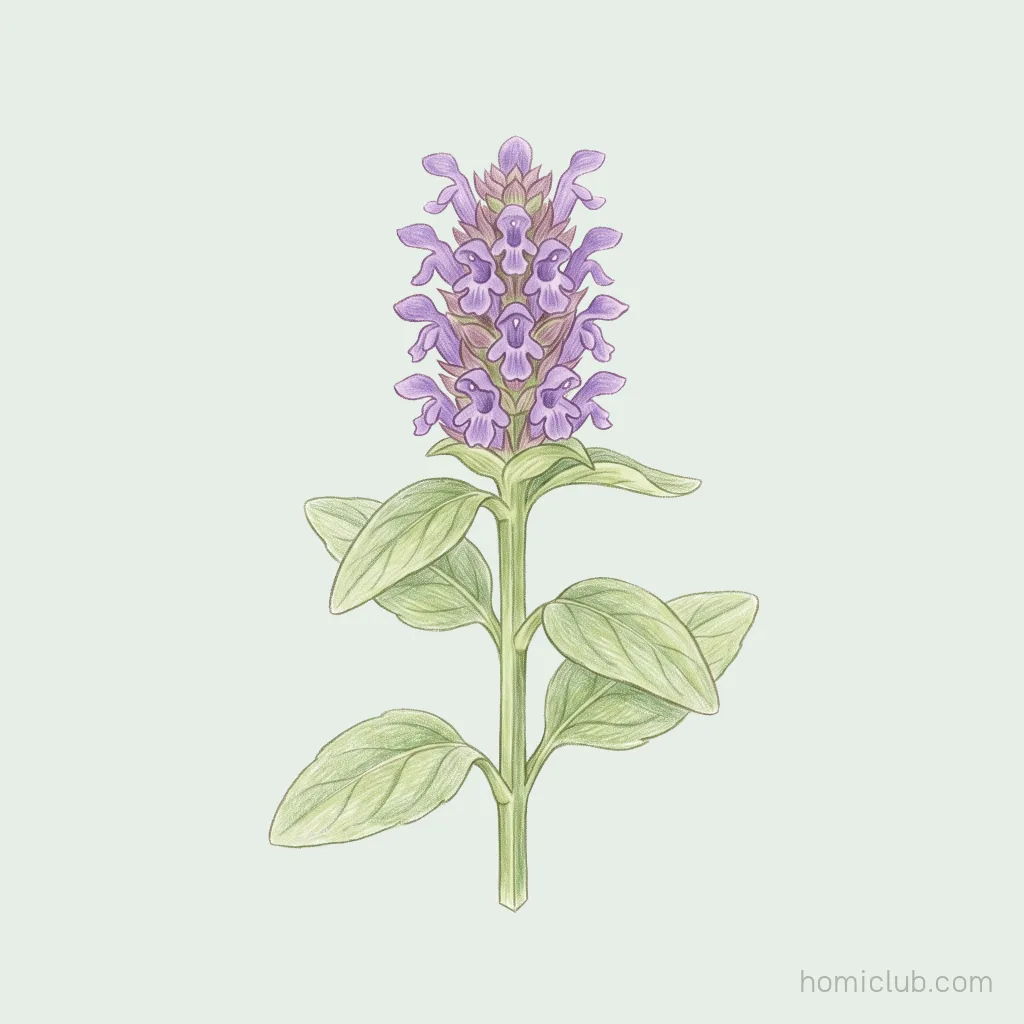
HomiclubPlants in the mugwort group share finely cut leaves, undersides covered in white down, and a characteristic scent when rubbed. Since the text places this plant by comparison with that group, picturing the wormwoods of nearby waste ground gets one broadly close.
Herbs — more entries
This is a cultural and historical record from a classical text, not a claim about any food’s effects. Nothing here is a health supplement or intended to prevent or treat disease. Consult a medical professional about health concerns. · Text: Korean Medicine Classics DB · Reading: Homiclub