
Tangaek — Decoctions · Herbs
木香 Mokhyang (목향)
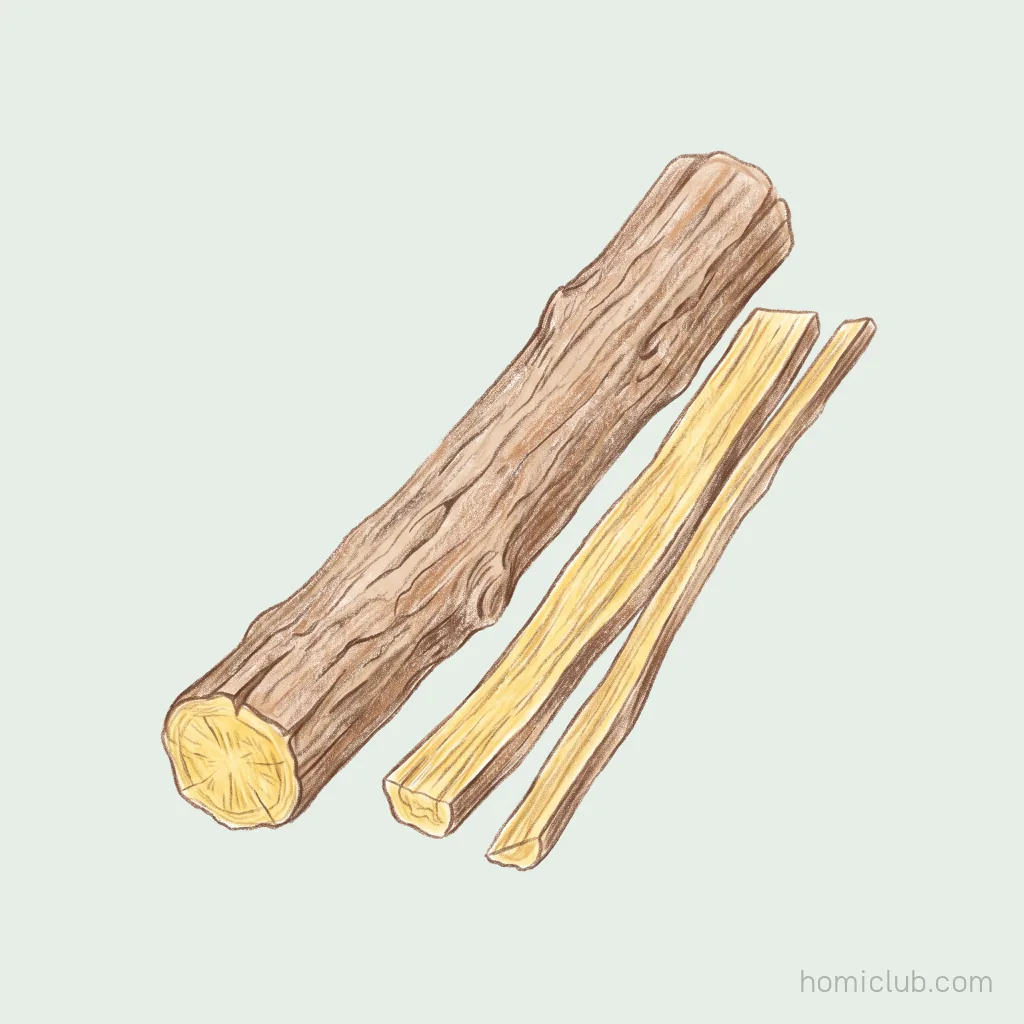
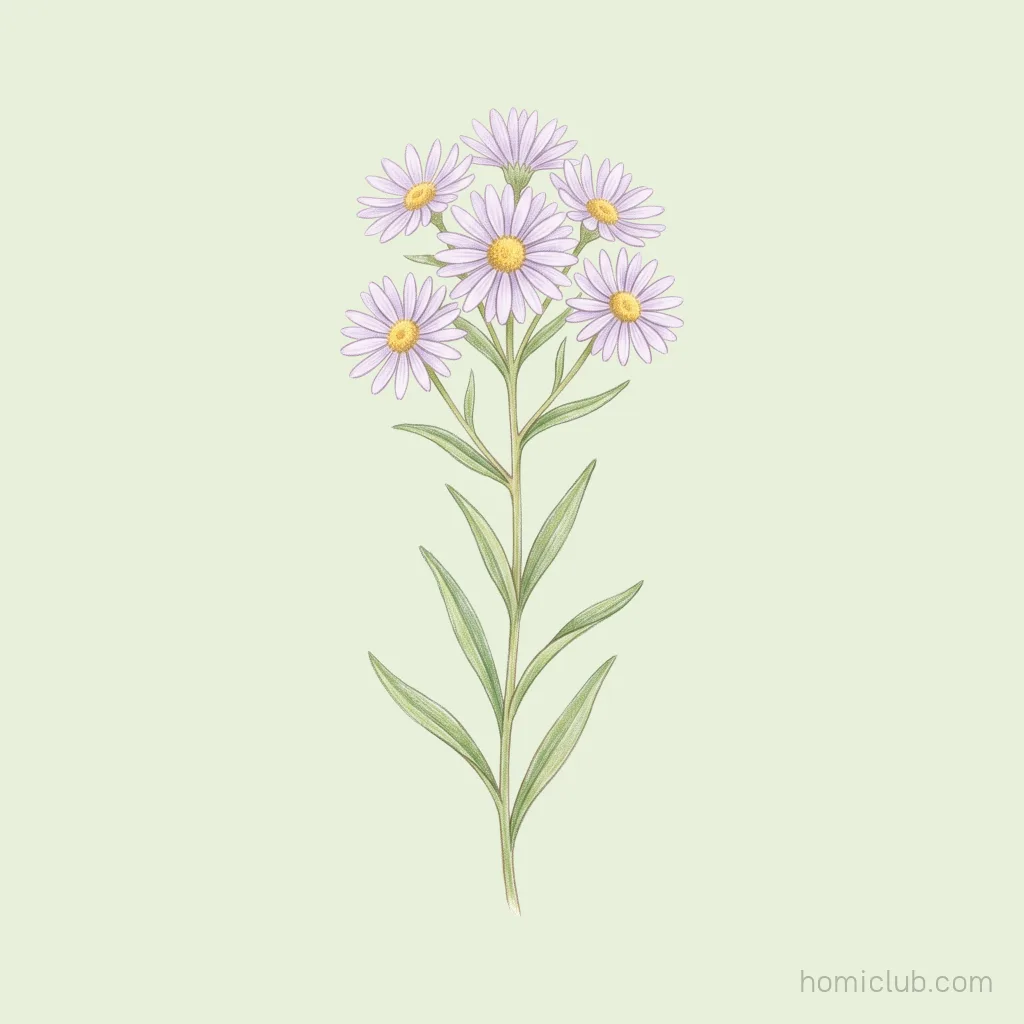
Mokhyang is the root of a thistle-family herb, also called cheongmokhyang; the West knows the same root as costus, an aromatic from India and western China. The Dongui Bogam marks it 【唐】, an imported item, and rates highest the pieces that look like dry bone.
Original, read line by line 東醫寶鑑 · Tangaek — Decoctions vol. 2
-
性溫, 味辛, 無毒.
Its nature is warm, its taste pungent, and it is non-toxic.
HomiclubMokhyang is the root of a perennial in the aster family, native to northern India and western China; it is the same root the West knows as costus. Because it does not grow in Korea, the Donguibogam marked it 【唐】, meaning an imported material.
-
治心腹一切氣, 及九種心痛, 積年冷氣脹痛, 痃癖癥塊.
It treats all qi disorders of the chest and abdomen, the nine kinds of heart pain, distending pain from cold qi accumulated over years, and hyeonbyeok (痃癖) and jinggoe (癥塊, fixed abdominal masses).
-
止泄瀉霍亂痢疾, 消毒, 殺鬼, 辟瘟疫, 行藥之精.
It checks diarrhea, gwallan (霍亂), and dysentery, disperses toxin, slays specters, and wards off epidemic pestilence; it is the essence that sets other medicines moving.
-
卽靑木香也. 形如枯骨者良. 《本草》
This is cheongmokhyang (靑木香). Those shaped like dry bone are the good ones. 《Boncho (本草)》
HomiclubWhen the root is cut and dried, its surface turns rough and grey and splits, so that it really does look like dry bone. The heavy, dense scent of the cut surface long made it a material for perfume and incense as well.
-
行氣不見火, 生磨刺服之. 止瀉, 實大腸, 濕紙包煨用. 《入門》
To move the qi, keep it from fire and grind it raw for the juice to be taken. To check diarrhea and firm the large intestine, wrap it in wet paper and roast it in embers before use. 《Immun (入門)》
Herbs — more entries
This is a cultural and historical record from a classical text, not a claim about any food’s effects. Nothing here is a health supplement or intended to prevent or treat disease. Consult a medical professional about health concerns. · Text: Korean Medicine Classics DB · Reading: Homiclub