
Tangaek — Decoctions · Trees
猪苓 Jeoryeong (저령)
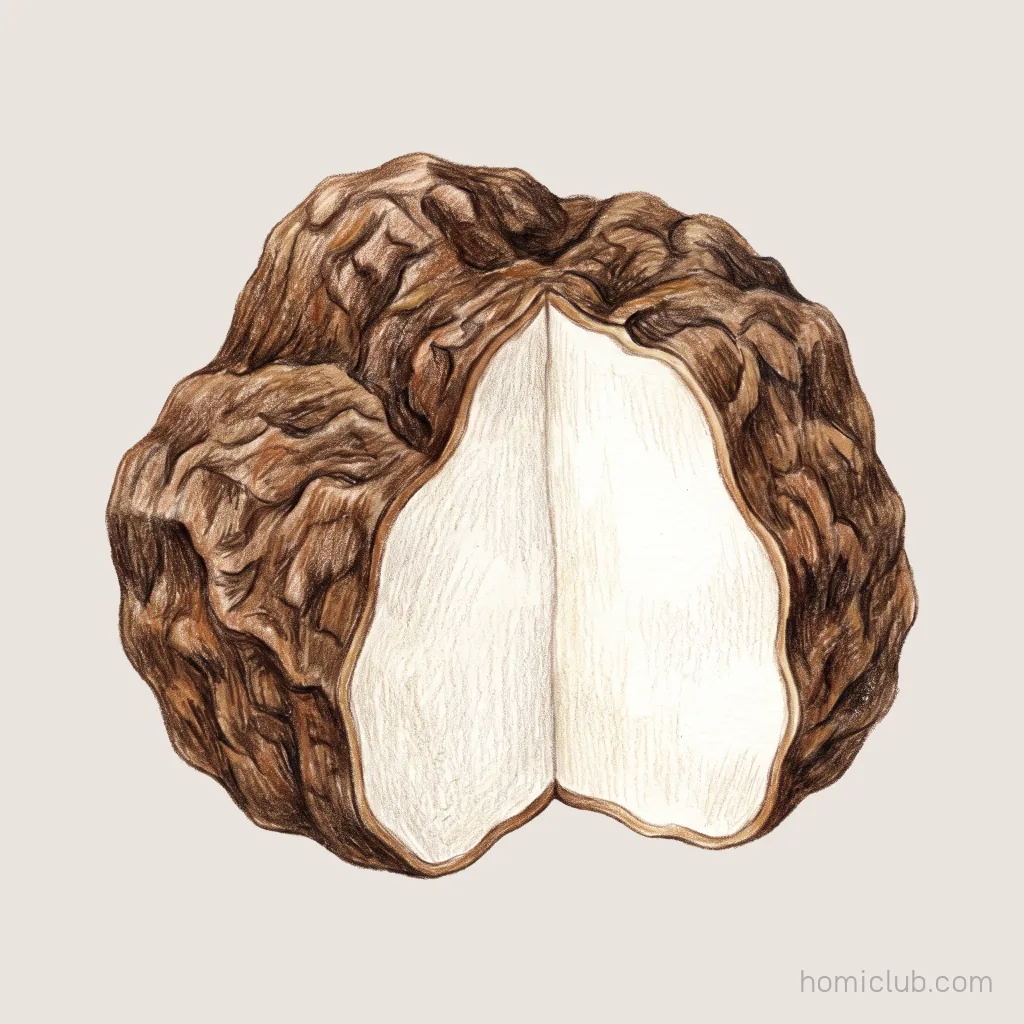
Jeoryeong is the hard sclerotium of a fungus growing on tree roots; the text says it forms on maple. Its black skin and lumpy shape, likened to pig droppings, gave it the name, and pieces white and solid inside were graded best. It carries the 【唐】 mark of an import from China.
Original, read line by line 東醫寶鑑 · Tangaek — Decoctions vol. 3
-
性平, 味甘苦, 無毒. 主腫脹腹滿. 利水道, 治淋, 療痎瘧.
Its nature is neutral and its taste sweet and bitter, and it is non-toxic. It chiefly treats swelling, distension, and abdominal fullness. It frees the waterways, treats im (淋, painful urination), and treats haehak (痎瘧, recurring malarial fever).
HomiclubJeoryeong is the sclerotium of a polypore fungus that grows attached to tree roots. It clumps underground as a lump that looks more like a tuber than a mushroom, and turns up rarely in Korean oak woods as well.
-
一名朱苓, 是楓樹苓. 其皮至黑, 作塊似猪屎, 故以名之. 肉白而實者佳. 二月八月採, 陰乾. 《本草》
Another name for it is juryeong, and it is the ryeong (苓) that grows on the maple. Its skin is utterly black and the lump it forms resembles pig droppings, which is how it was named. Those white and solid within are good. Dig it in the second and eighth months and dry it in the shade. 《Boncho (本草)》
-
入足太陽ㆍ少陰經. 除濕, 比諸淡滲藥, 太燥亡津液, 無濕病勿服. 久服傷腎. 《湯液》
It enters the foot taeyang and foot soeum channels. It removes damp, but compared with other bland percolating medicines it is too drying and depletes the fluids, so it should not be taken where there is no damp disorder. Taken long it injures the sin (腎, kidney). 《Tangaek (湯液)》
-
銅刀削去黑皮, 微焙乾用. 《入門》
Pare off the black skin with a copper knife, dry it lightly over a fire, and use it. 《Immun (入門)》
HomiclubThe instruction to use a copper knife follows an old processing custom that held iron to alter a material's nature. The Donguibogam warns against iron in this way at several entries.
Trees — more entries
This is a cultural and historical record from a classical text, not a claim about any food’s effects. Nothing here is a health supplement or intended to prevent or treat disease. Consult a medical professional about health concerns. · Text: Korean Medicine Classics DB · Reading: Homiclub