
Tangaek — Decoctions · Grains
豆黃 Duhwang (두황)

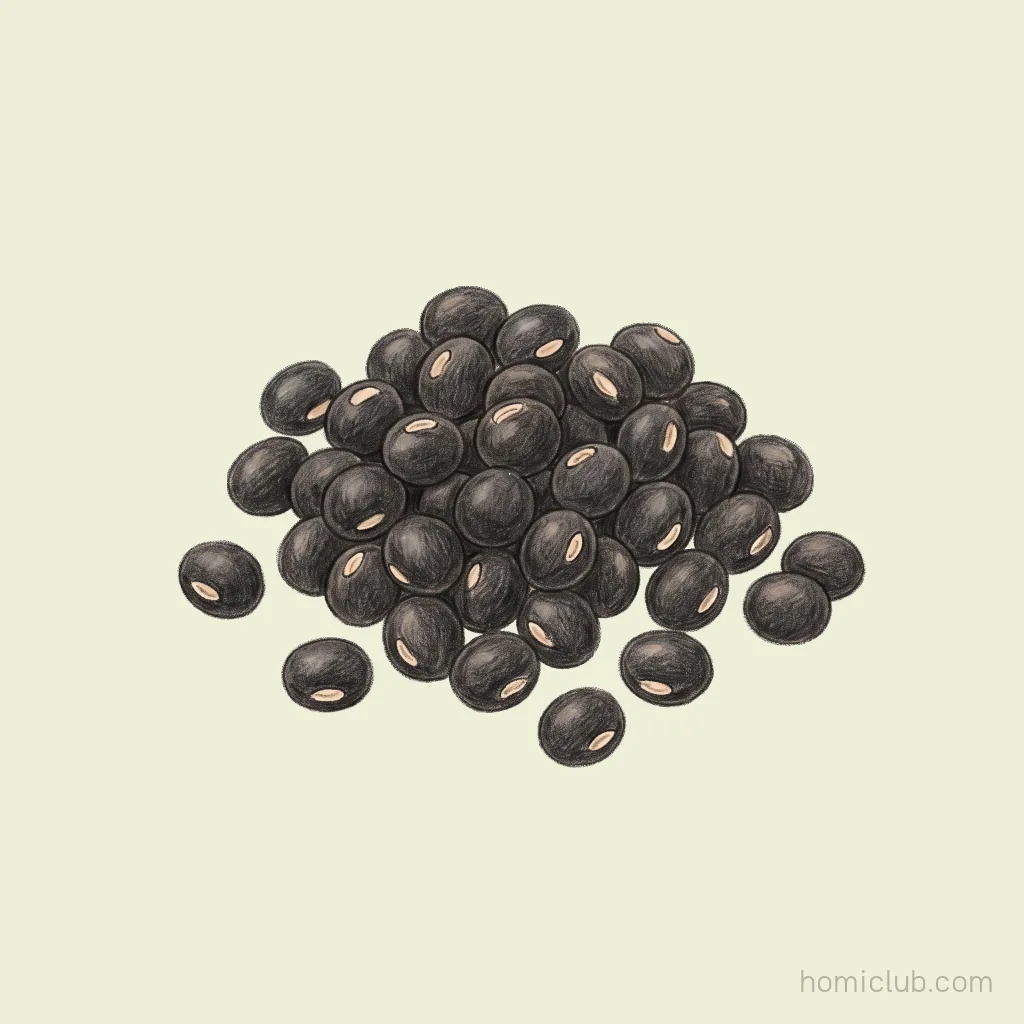
Duhwang is powdered soybean; the vernacular gloss calls it simply konggaru, soybean flour. The Bonchogangmok (本草綱目) describes making it by steaming black soybeans and covering them with mugwort until a coat of yellow mould forms, then sun-drying and pounding them. In the Dongui Bogam's grain section this passage runs on into dried sprouted soybeans, red adzuki beans, and the bean's leaves and flowers.
Original, read line by line 東醫寶鑑 · Tangaek — Decoctions vol. 1
-
味甘. 主胃中熱. 止腹脹, 消穀, 去腫, 除痺. 《本草》
Its taste is sweet. It governs heat within the stomach. It stops abdominal distension, digests grain, removes swelling, and relieves bijeung (痺症, impediment). 《Boncho (本草)》
HomiclubDuhwang is powdered soybean. The method the Bonchogangmok (本草綱目) records for duhwang is to steam black soybeans, spread them on a mat, cover them with mugwort as in fermenting soybean paste until a coat of yellow mould forms, then sun-dry and pound them, a different process from the roasted soybean flour used to coat rice cakes. The text of this book gives no method, and the vernacular gloss says only konggaru, soybean flour.
Grains — more entries
This is a cultural and historical record from a classical text, not a claim about any food’s effects. Nothing here is a health supplement or intended to prevent or treat disease. Consult a medical professional about health concerns. · Text: Korean Medicine Classics DB, collated with the Jangseogak copy of the 1613 wooden movable-type edition · Reading: Homiclub