
Tangaek — Decoctions · Trees
沒食子 Molsikja Beollehok (몰식자 벌레혹)
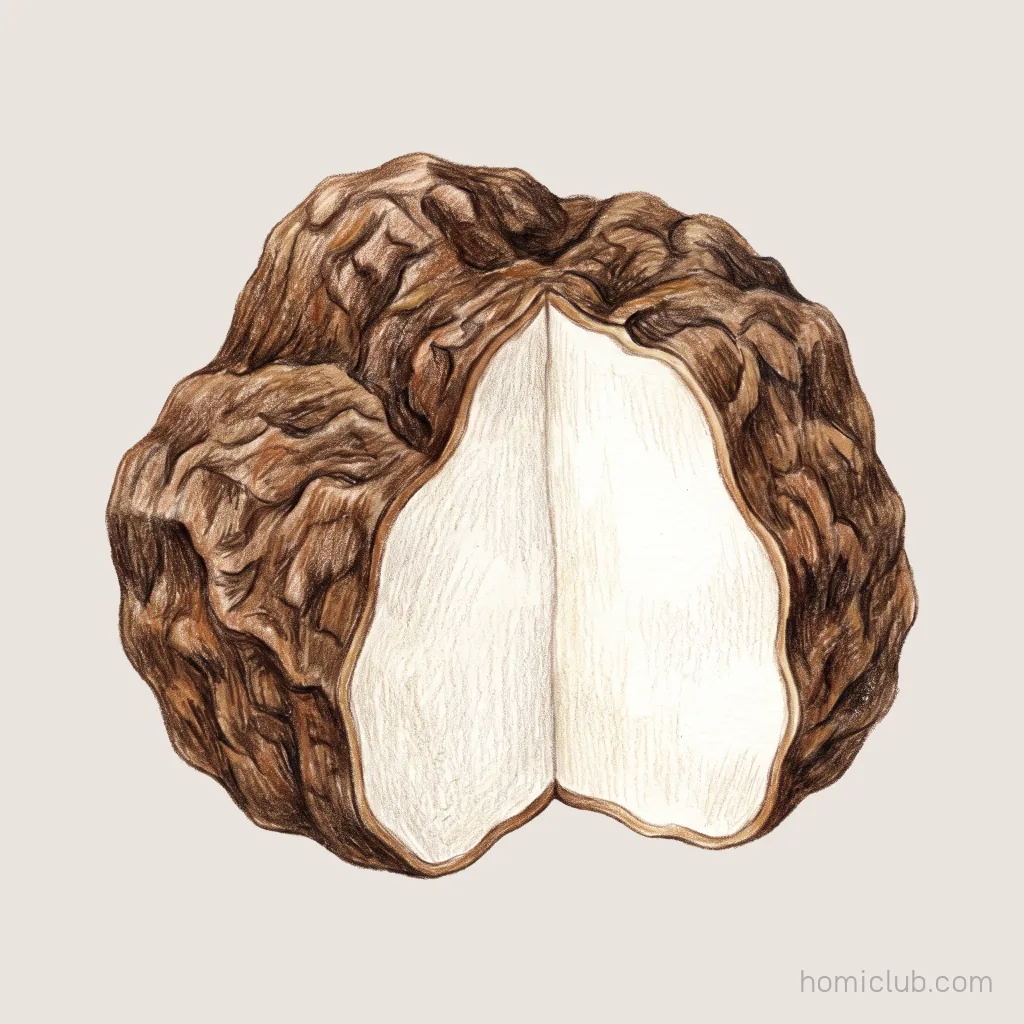
Molsikja is a dried gall — the round growth that forms where an insect lays eggs on an oak twig — also called musikja. Round as a musket ball, with no holes in the skin, was the mark of a good one. The same galls made black ink and dye in old Europe, and gallic acid is still called molsikjasan in Korean after them.
Original, read line by line 東醫寶鑑 · Tangaek — Decoctions vol. 3
-
性溫一云平, 味苦, 無毒.
Its nature is warm, though one account calls it neutral; its taste is bitter and it is non-toxic.
HomiclubMolsikja is the dried round gall that swells on the twigs of oaks after an insect lays its eggs there. The galls that came into Korea formed on the Aleppo oak of the Mediterranean and western Asia, and in old Europe the liquor boiled from such galls was made into black ink.
-
主赤白痢, 腸滑. 治陰瘡, 陰汗, 小兒疳痢, 能黑鬚髮.
It chiefly governs red and white dysentery and a slippery intestine. It treats eumchang (陰瘡, sores of the genitals), eumhan (陰汗, sweating of the genitals), and gamri (疳痢, malnutrition dysentery) in children, and can blacken the beard and hair.
-
一名無食子. 圓如彈丸, 色微黑, 皮無孔者, 入藥. 《本草》
It is also called musikja (無食子). Those round as a bullet, faintly dark in color, and without a hole in the skin are put into medicine. 《Boncho (本草)》
HomiclubThere is a reason for choosing galls without a hole. The insect that grows inside bores its way out when mature and leaves an exit hole behind, so an unpierced gall is one still full and unemptied. Such galls are rich in tannin, which turns dark the moment it meets iron.
-
凡使勿犯銅鐵, 炒硏細用. 《入門》
Whenever it is used, keep it from touching copper or iron; roast it, grind it fine, and use it. 《Immun (入門)》
Trees — more entries
This is a cultural and historical record from a classical text, not a claim about any food’s effects. Nothing here is a health supplement or intended to prevent or treat disease. Consult a medical professional about health concerns. · Text: Korean Medicine Classics DB · Reading: Homiclub