
Tangaek — Decoctions · Herbs
𤨏陽 Swaeyang (쇄양)
Swaeyang is the fleshy stalk of a parasitic plant that fastens onto other roots in sandy ground. The old text calls it the root of cistanche, though modern botany counts the two as different plants. It was steeped in liquor overnight, brushed clean of its outer scales and inner white membrane, then steamed.
Original, read line by line 東醫寶鑑 · Tangaek — Decoctions vol. 2
-
性溫, 味甘寒, 無毒. 閉精, 補陰.
Its nature is warm, its taste sweet and cold, and it is non-toxic. It secures the essence and supplements eum (陰, yin).
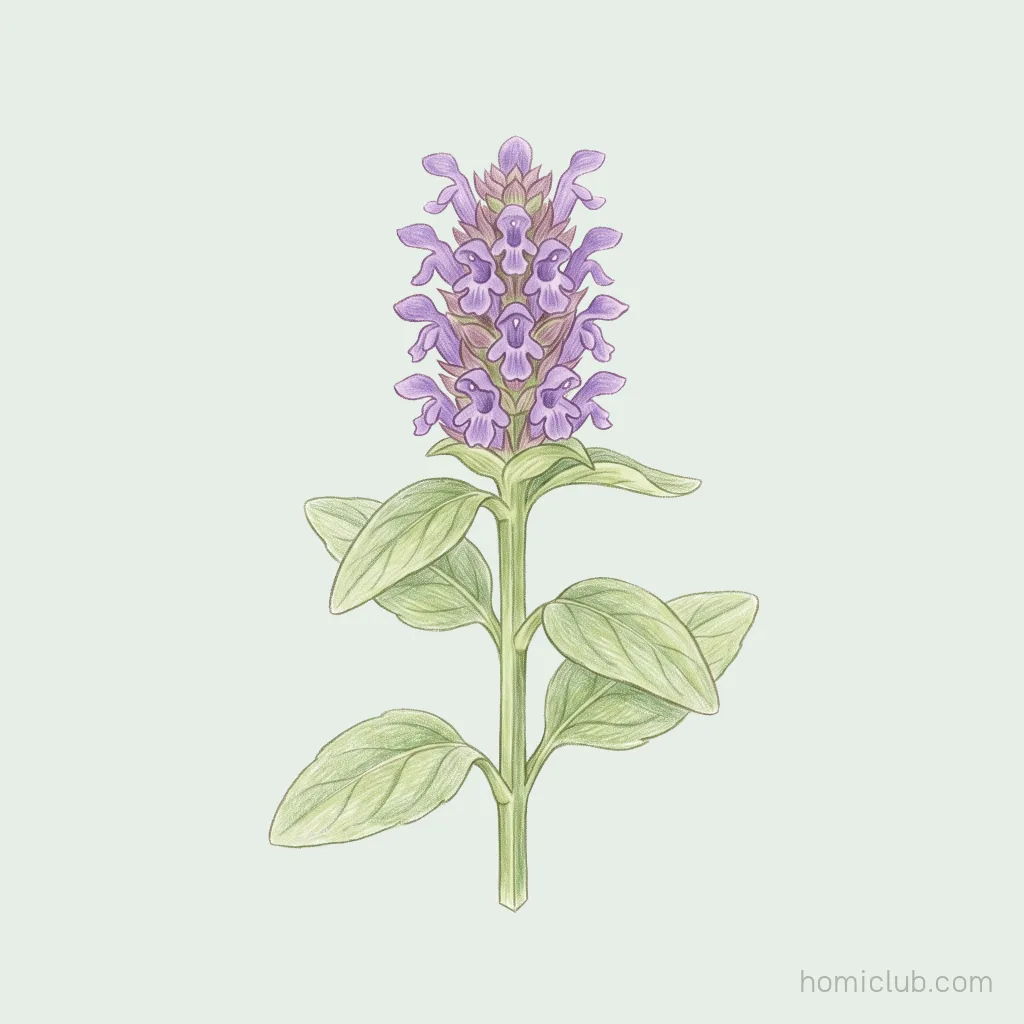
HomiclubSwaeyang is the fleshy stem of a parasitic plant that fastens onto the roots of other plants in sandy ground. It rises above the soil as a reddish column with reduced leaves, and its resemblance to yukjongyong is why the two were long treated together.
-
氣虛而大便燥結者, 煮粥食之. 肉蓯蓉根也.
One whose qi is vacuous and whose stool is dry and bound may boil it into gruel and eat it. It is the root of yukjongyong.
HomiclubThe text calls it the root of yukjongyong, but present-day botany places it in a different family altogether, as a separate plant.
-
肉蓯蓉根, 名𤨏陽, 酒浸一宿, 刷去浮甲及心中白膜, 乃酒蒸, 或塗酥灸用. 《入門》
The root of yukjongyong is called swaeyang; steep it in liquor for one night, brush away the loose scales and the white membrane inside, then steam it with liquor or coat it with clarified butter and roast it for use. 《Ipmun (入門)》
-
潤大便燥結, 能補陰. 《醫鑑》
It moistens dry, bound stool and can supplement eum. 《Uigam (醫鑑)》
Herbs — more entries
This is a cultural and historical record from a classical text, not a claim about any food’s effects. Nothing here is a health supplement or intended to prevent or treat disease. Consult a medical professional about health concerns. · Text: Korean Medicine Classics DB · Reading: Homiclub