
Tangaek — Decoctions · Grains
糗 Gu (구)
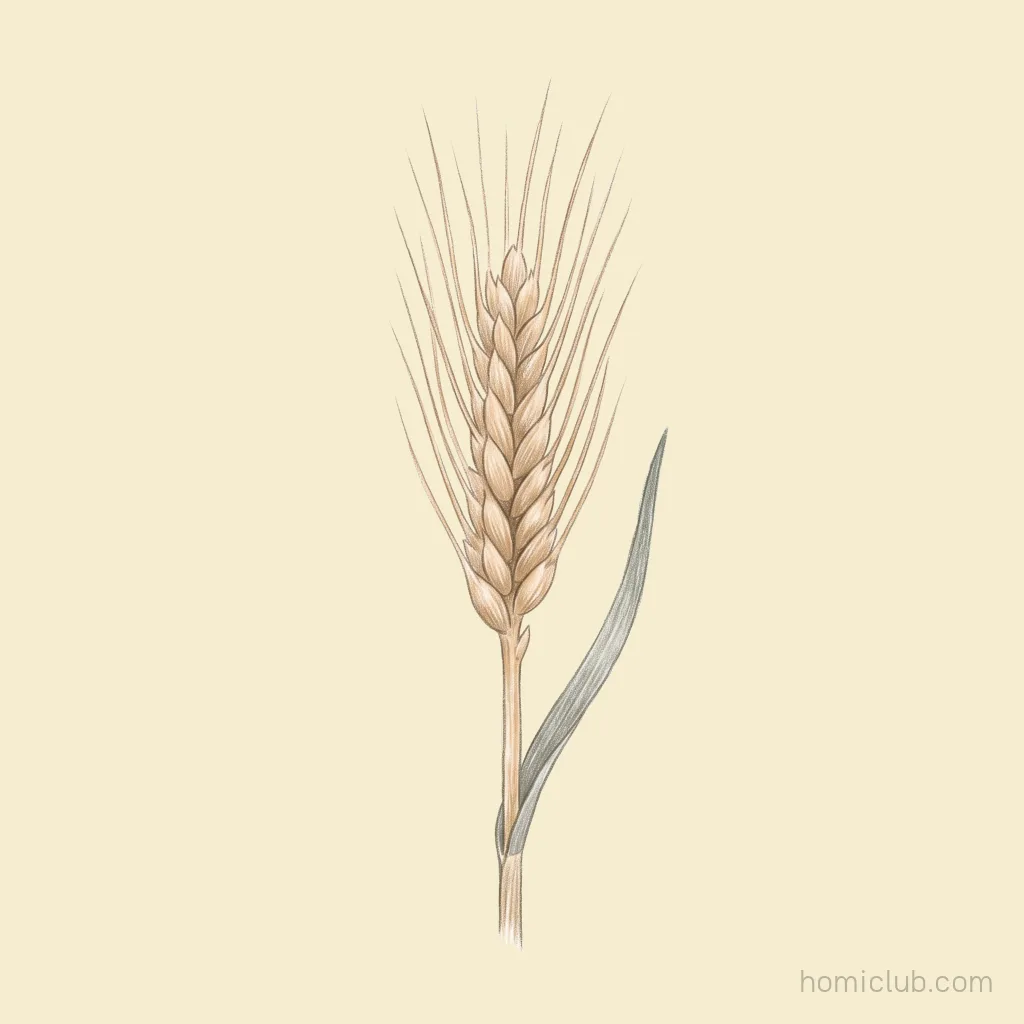
Gu is misutgaru: millet or barley steamed, parched, and ground to a powder. The old Korean gloss beside the entry reads jossal misi, millet misi. Stirred into water it served as a summer drink and a ration for the road, exactly as misutgaru still does.
Original, read line by line 東醫寶鑑 · Tangaek — Decoctions vol. 1
-
性寒, 味甘, 無毒. 解煩熱, 止渴, 止泄, 實大腸. 《本草》
Its nature is cold, its taste sweet, and it is non-toxic. It relieves beonyeol (煩熱, vexing heat), stops thirst, stops diarrhoea, and firms the large intestine. 《Boncho (本草)》
HomiclubGu is flour made by steaming grain, parching it, and grinding it; the old Korean gloss calls it "millet misi." The word misutgaru carries the name forward.
-
蒸粟米或麥, 熬磨作之. 《本草》
It is made by steaming sokmi or barley, parching it, and grinding it. 《Boncho (本草)》
-
粳粟米, 五穀中最硬. 得漿水卽易化. 《本草》
Non-glutinous sokmi is the hardest of the five grains. Given jangsu (漿水, soured grain water) it breaks down easily. 《Boncho (本草)》
Grains — more entries
This is a cultural and historical record from a classical text, not a claim about any food’s effects. Nothing here is a health supplement or intended to prevent or treat disease. Consult a medical professional about health concerns. · Text: Korean Medicine Classics DB · Reading: Homiclub