
Tangaek — Decoctions · Grains
麩 Milgiul (밀기울)
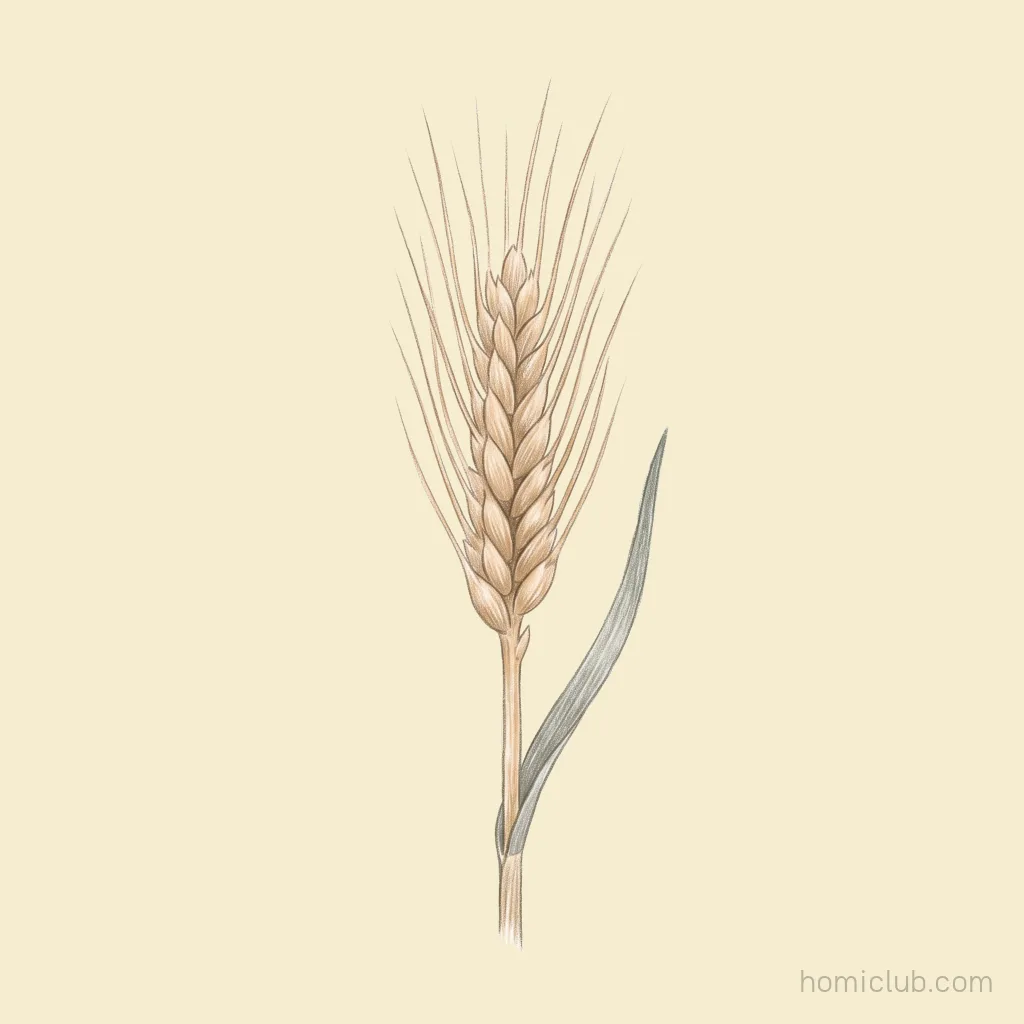
Wheat bran is the outer coat left behind when milled wheat is sifted. It goes into wholemeal flour and cereal today, and into livestock feed. Donguibogam puts it in the grain section, notes that bran and flour differ in nature, and gathers shrivelled wheat, wheat sprouts and smutted wheat into the same entry.
Original, read line by line 東醫寶鑑 · Tangaek — Decoctions vol. 1
-
性寒一云涼, 味甘, 無毒. 調中去熱, 治熱瘡, 湯火瘡爛, 撲損折傷瘀血. 《本草》
Its nature is cold, though one account calls it cool; its taste is sweet and it is non-toxic. It harmonises the centre and removes heat, and treats yeolchang (熱瘡, heat sores), scalds and burns, and bruising or fracture with eohyeol (瘀血, static blood). 《Boncho (本草)》
HomiclubBran is the outer coat left behind when milled wheat is sifted. It goes into wholemeal flour and breakfast cereal, and is also fed to livestock.
-
麥屬陽, 麩之性涼. 《丹心》
Maek belongs to yang, yet the nature of bran is cool. 《Dansim (丹心)》
-
麪熱麩涼. 《丹心》
Flour is hot and bran is cool. 《Dansim (丹心)》
Grains — more entries
This is a cultural and historical record from a classical text, not a claim about any food’s effects. Nothing here is a health supplement or intended to prevent or treat disease. Consult a medical professional about health concerns. · Text: Korean Medicine Classics DB · Reading: Homiclub