
Tangaek — Decoctions · Trees
丁公藤 Magamok (마가목)
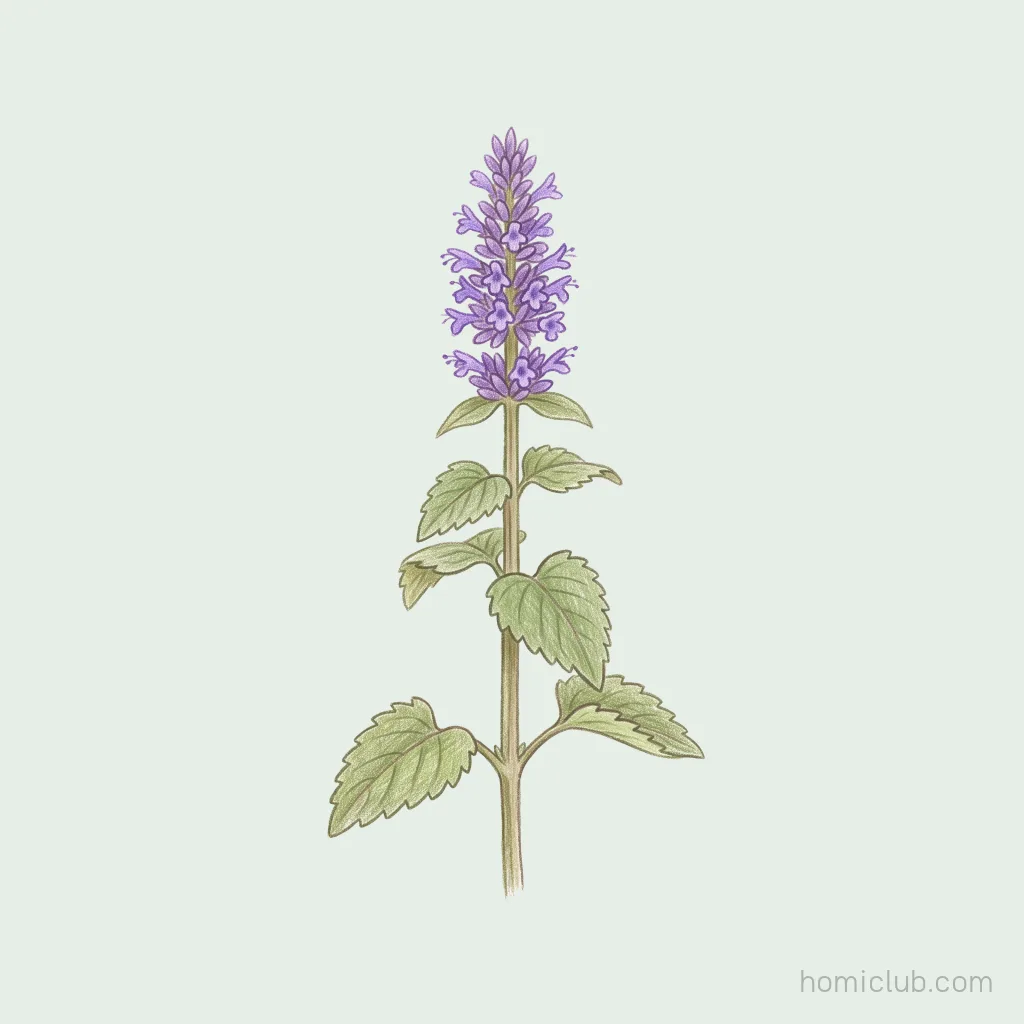
Jeonggongdeung is the tree the Donguibogam glosses with the Korean name magamok, rowan. It gives an alternate name, namdeung, and describes a jointed purple-brown stem like a riding crop with pointed, apricot-like leaves. Rowan is planted today along streets and in gardens, and its berries are steeped in spirits.
Original, read line by line 東醫寶鑑 · Tangaek — Decoctions vol. 3
-
性溫, 味辛, 無毒. 主風血.
Its nature is warm, its taste pungent, and it is non-toxic. It chiefly governs punghyeol (風血, wind and blood).
HomiclubThe Donguibogam attaches the Korean name magamok to jeonggongdeung. The magamok, a rowan, is a small tree of the rose family with pinnate leaves and clusters of red fruit ripening in autumn, and it is now commonly planted along streets and in gardens.
-
補衰老, 起陽, 强腰脚, 除痺, 變白, 排風邪.
It supplements decline and old age, raises the yang, strengthens the waist and legs, removes bi (痺, impediment), turns white hair back, and expels wind evil.
-
一名南藤, 莖如馬鞭, 有節, 紫褐色, 葉如杏葉而尖. 採無時, 漬酒服. 《本草》
It is also called namdeung (南藤); its stem is like a horsewhip, jointed, purplish brown, and its leaves are like apricot leaves but pointed. Gather it in any season and steep it in liquor to take. 《Boncho (本草)》
-
解叔謙母病, 禱神, 遇異人, 得服此藥, 卽此也. 《南史》
When Hae Sukgyeom's mother fell ill he prayed to the spirits, met an extraordinary man, and obtained this medicine to give her; this is that very thing. 《Namsa (南史)》
Trees — more entries
This is a cultural and historical record from a classical text, not a claim about any food’s effects. Nothing here is a health supplement or intended to prevent or treat disease. Consult a medical professional about health concerns. · Text: Korean Medicine Classics DB · Reading: Homiclub