
Tangaek — Decoctions · Grains
糵米 Jogirum (조기룸)
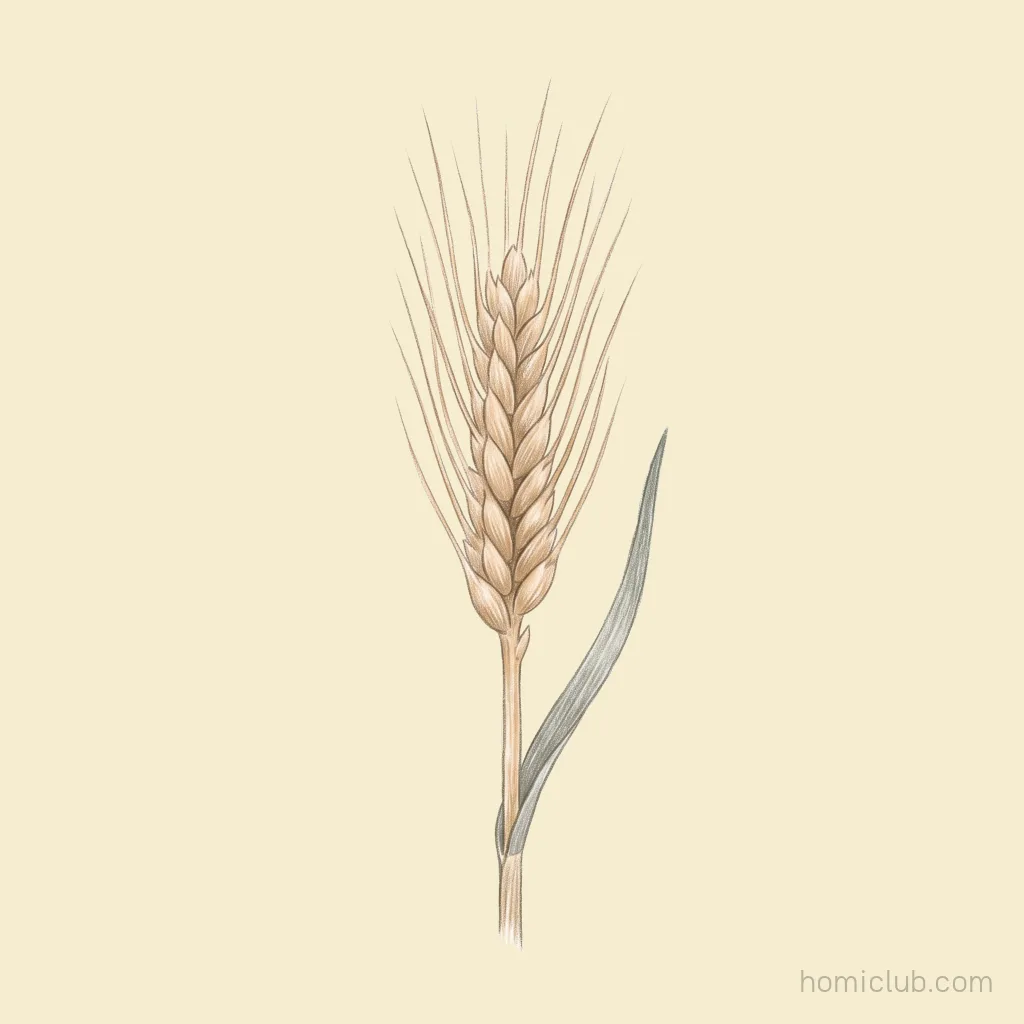
Eolmi is foxtail millet soaked and sprouted, written 'jogirum' in old Korean. Half-grown sprouts were chosen, and another name for it is goga, 'grain sprout.' It is the millet counterpart to sprouted barley in the Grains section and went into the formula gokshinsan.
Original, read line by line 東醫寶鑑 · Tangaek — Decoctions vol. 1
-
性溫, 味苦, 無毒. 主寒中, 下氣開胃, 消食除熱. 《本草》
Its nature is warm, its taste bitter, and it is non-toxic. It governs cold in the centre, sends qi down and opens the appetite, digests food, and removes heat. 《Boncho (本草)》
HomiclubEolmi is foxtail millet soaked and sprouted, called "jogireum" in the old Korean gloss. It is made the same way as barley malt, though barley is far more widely used than millet now.
-
此卽粟糵也. 取半生者作之. 今穀神散中用之, 性又溫於大麥糵. 《本草》
This is sogeol (粟糵, sprouted millet). It is made from those half grown. It is now used in goksinsan (穀神散), and its nature is warmer than that of daemaegeol (大麥糵, sprouted barley). 《Boncho (本草)》
-
糵者, 生不以理之名也, 皆當以可生之物爲之. 粟糵ㆍ麥糵, 皆其類也. 《本草》
Eol (糵) names a sprouting that does not follow the ordinary course, and it must always be made from something able to germinate. Sogeol and maegeol both belong to this class. 《Boncho (本草)》
-
糵米, 卽穀芽也. 《入門》
Eolmi is goga (穀芽), the sprout of grain. 《Ipmun (入門)》
Grains — more entries
This is a cultural and historical record from a classical text, not a claim about any food’s effects. Nothing here is a health supplement or intended to prevent or treat disease. Consult a medical professional about health concerns. · Text: Korean Medicine Classics DB · Reading: Homiclub