
Tangaek — Decoctions · Herbs
莖葉 Nuro Julgiwa Ip (누로 줄기와 잎)
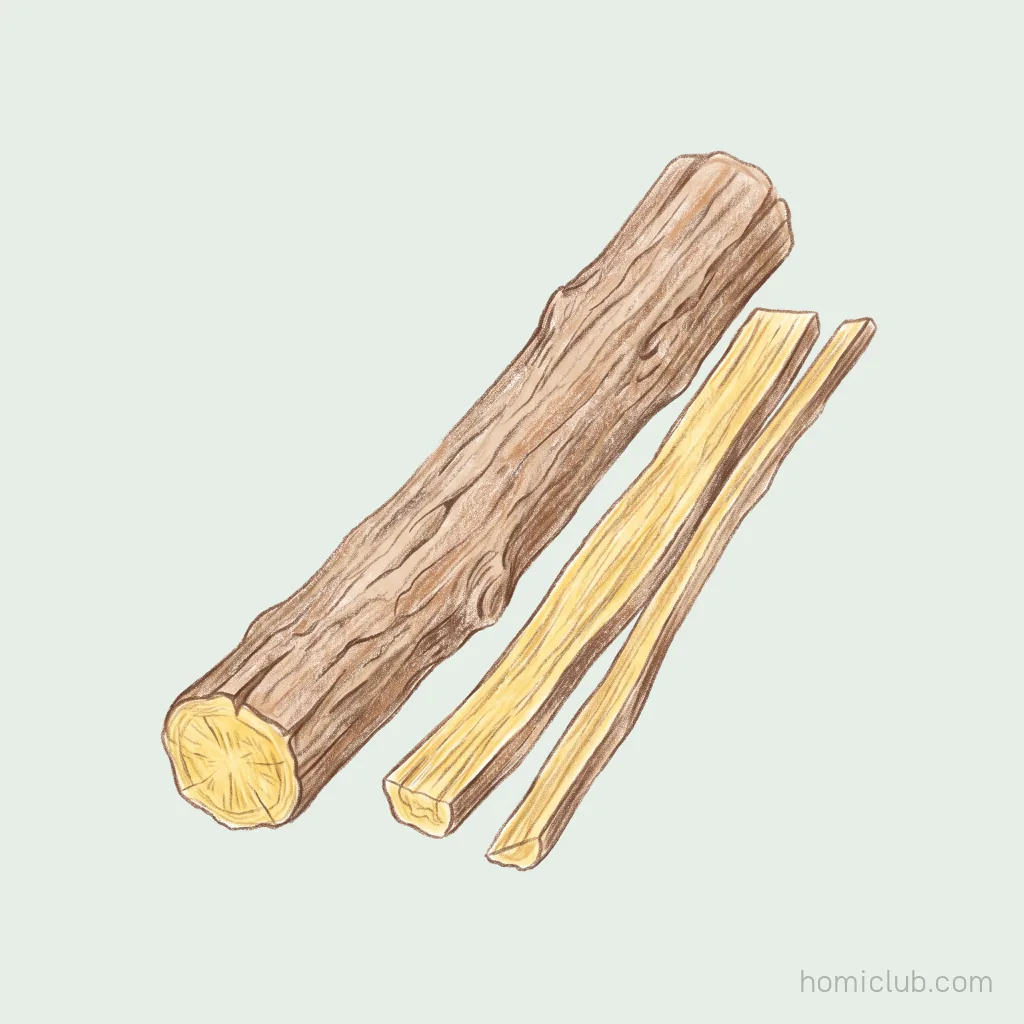
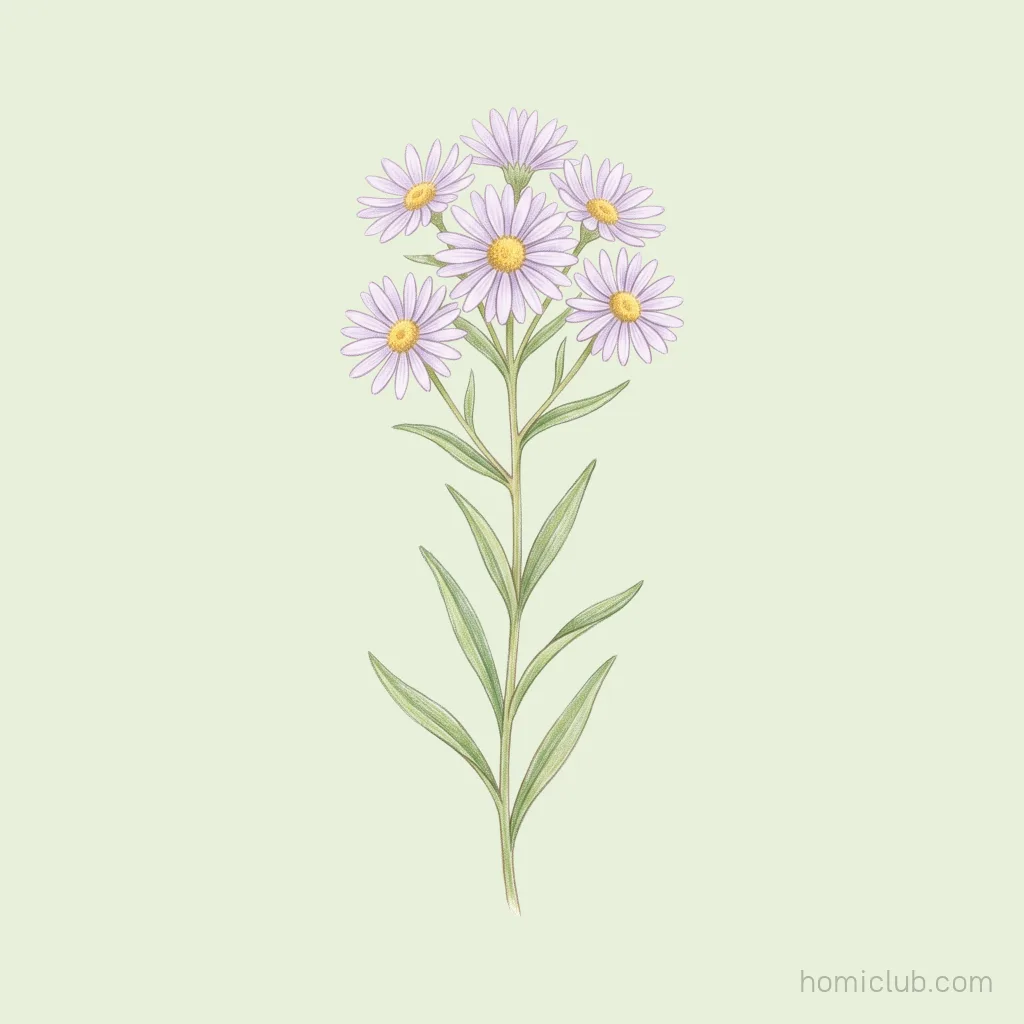
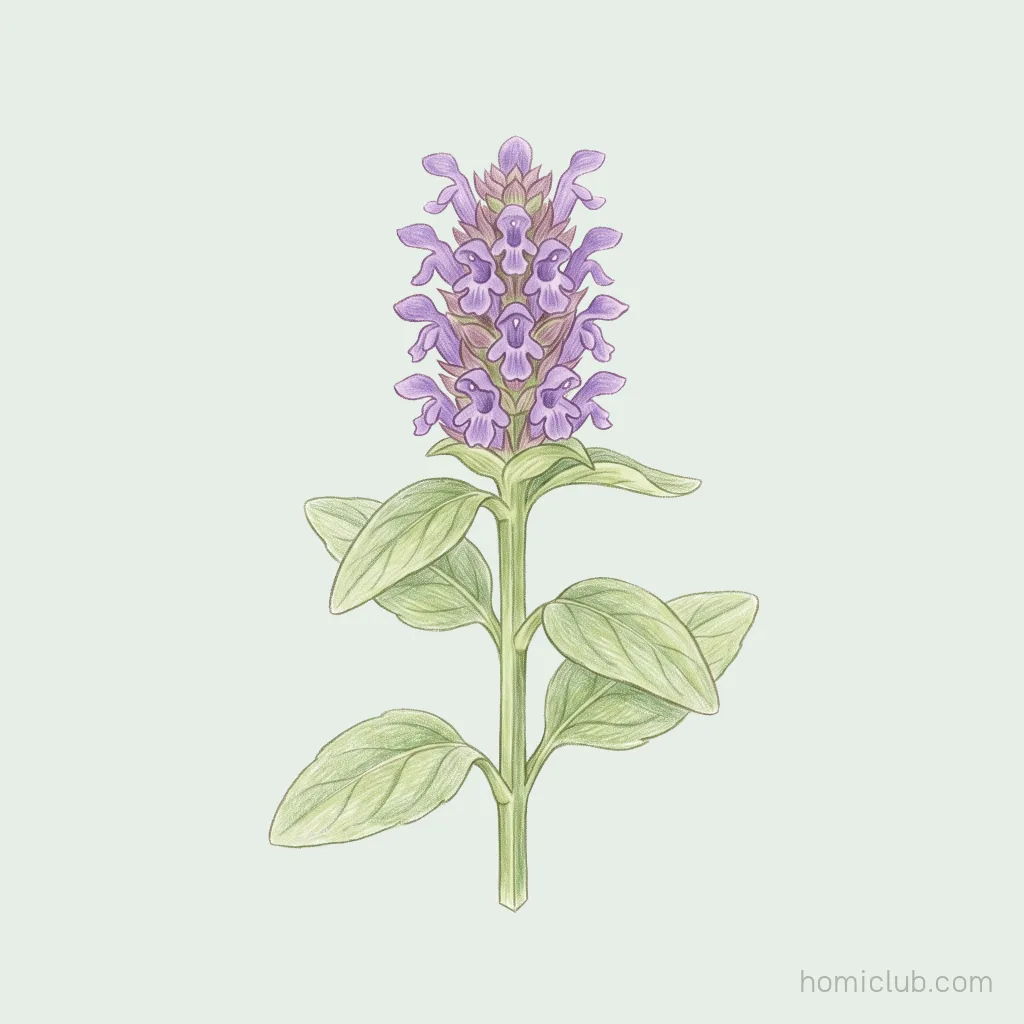
The stem and leaves of nuro (莖葉). In Dongui Bogam, this appears as a single line appended beneath the main nuro entry, which deals with the root — a way of setting the plant's above-ground parts apart on their own. The original text notes that the stem is about as thick as a chopstick, and the leaves are deeply lobed, as one would expect of a plant in the daisy family. The classic records no separate medicinal properties for these aerial parts — no nature and flavor (the warming-or-cooling character and taste by which traditional Korean medicine classifies a drug), no organ affinities, actions, or cautions; that information belongs to the root entry. Today, it is mostly the root that is harvested for medicinal use.
Original, read line by line 東醫寶鑑 · Tangaek — Decoctions vol. 2
-
療疳蝕, 殺蟲, 有驗. 《本草》
It addresses gamsik (疳蝕, eroding infantile malnutrition sores) and kills worms, with proven effect. 《Boncho (本草)》
Herbs — more entries
This is a cultural and historical record from a classical text, not a claim about any food’s effects. Nothing here is a health supplement or intended to prevent or treat disease. Consult a medical professional about health concerns. · Text: Korean Medicine Classics DB · Reading: Homiclub