
Tangaek — Decoctions · Herbs
藍藤根 Namdeunggeun (남등근)
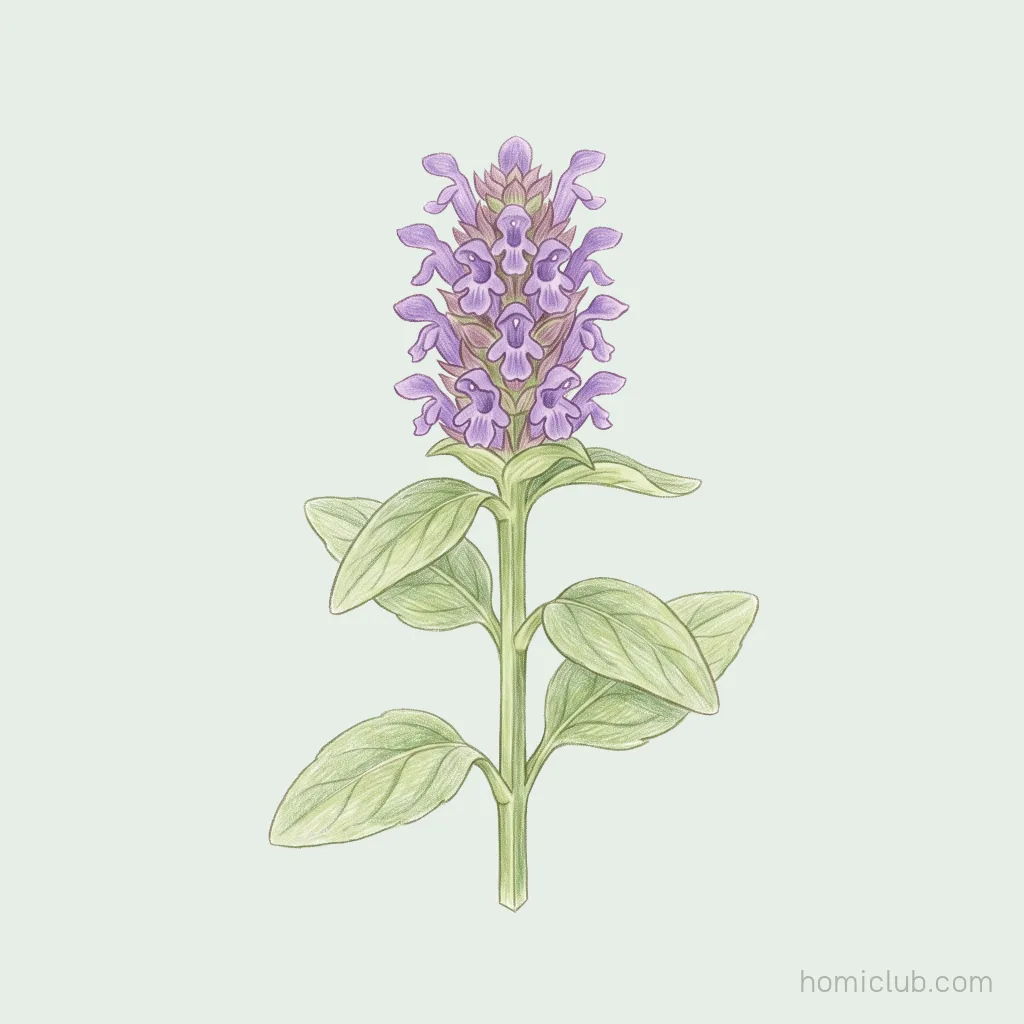
Namdeunggeun is the root of a plant the Donguibogam records under the Korean name 'gasasae'. The text says only that the root resembles wild ginger, that it grows everywhere, and that it was also called namchil, so which plant is meant is no longer clear. The entry comes from a Korean local source.
Original, read line by line 東醫寶鑑 · Tangaek — Decoctions vol. 2
-
性溫, 味辛, 無毒.
Its nature is warm, its taste pungent, and it is non-toxic.
HomiclubNamdeunggeun is the root of a plant that the Donguibogam recorded together with the Korean name gasasae. The text leaves only two clues — that the root resembles sesin, and that it is also called namchil — so which plant it is today remains unsettled.
-
主上氣冷嗽. 煮服之, 或作末, 和蜜作煎服.
It chiefly treats qi surging upward and cold cough. Boil it and drink it, or grind it to powder, mix it with honey, and take it as a decocted paste.
-
處處有之. 根如細辛, 卽今藍漆也. 《俗方》
It is found everywhere. Its root is like that of sesin; this is what is now called namchil (藍漆). 《Sokbang (俗方)》
HomiclubSokbang refers to material drawn from formulas and names transmitted within Korea. That this entry comes only from Sokbang means it was a plant used locally and absent from the Chinese materia medica.
Herbs — more entries
This is a cultural and historical record from a classical text, not a claim about any food’s effects. Nothing here is a health supplement or intended to prevent or treat disease. Consult a medical professional about health concerns. · Text: Korean Medicine Classics DB · Reading: Homiclub