
Tangaek — Decoctions · Trees
吳茱萸 Osuyu(osuyunamu Yeolmae) (오수유(오수유나무 열매))
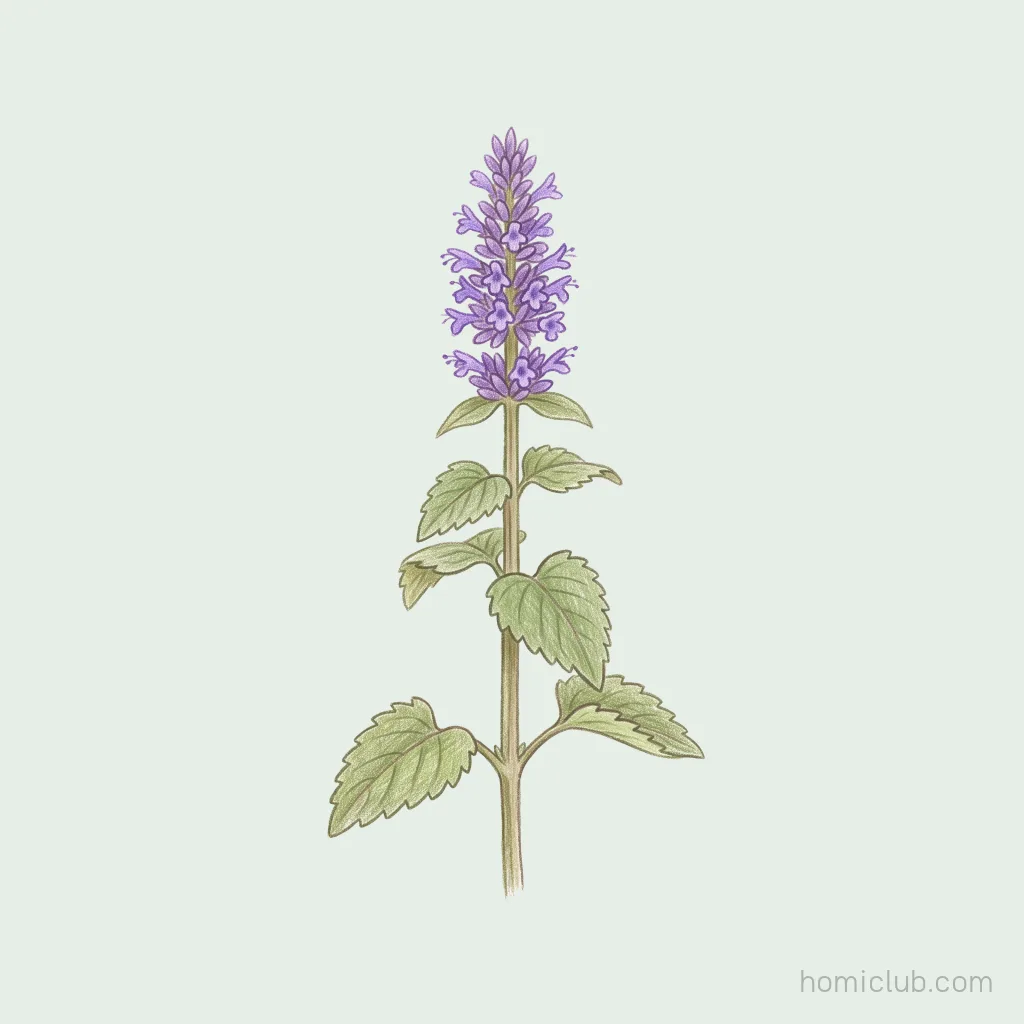
Osuyu is the unripe fruit of the evodia tree, a citrus-family shrub. The text says it resembles a peppercorn, pale yellow when young and deep purple when ripe, gathered on the ninth day of the ninth month and dried in shade. Marked 【唐】 as a Chinese import, it adds from Sokbang that in Korea the tree grew only around Gyeongju.
Original, read line by line 東醫寶鑑 · Tangaek — Decoctions vol. 3
-
性熱, 味辛苦, 有小毒. 主溫中下氣止痛.
Its nature is hot, its taste pungent and bitter, and it is slightly toxic. It chiefly warms the centre, sends qi downward, and halts pain.
HomiclubOsuyu is the unripe fruit of the evodia tree, a member of the rue family. It belongs with sancho and chopi pepper, and the fruit gives off a sharp, tingling scent when rubbed.
-
心腹積冷絞痛, 諸冷實不消, 中惡心腹痛. 治霍亂吐瀉, 轉筋.
It is used for griping pain from cold accumulated in the chest and abdomen, for all cold masses that will not dissolve, and for pain of the chest and abdomen from jungak (中惡, malignity strike). It addresses the vomiting and diarrhoea of gwallan (霍亂, sudden turmoil) and cramping of the sinews.
-
消痰, 破癥癖, 除濕血㿏痺, 療腎氣脚氣, 胃中冷氣.
It dissolves phlegm, breaks up jingbyeok (癥癖, abdominal masses), removes damp and hyeolgunbi (血㿏痺, blood numbness impediment), and addresses singi (腎氣, kidney qi), gakgi (脚氣, leg qi), and cold qi within the stomach.
-
葉似椿, 闊厚紫色. 三月開花紅紫色. 七八月結實似椒子, 嫩時微黃, 至成熟則深紫. 九月九日採, 陰乾. 《本草》
Its leaves resemble those of the Chinese toon, broad and thick and purplish. In the third month it opens flowers of reddish purple. In the seventh and eighth months it sets fruit resembling pepper seeds, faintly yellow when young and deep purple when ripe. Gather it on the ninth day of the ninth month and dry it in the shade. 《Boncho (本草)》
HomiclubThe ninth day of the ninth month is the Double Ninth festival. A Chinese custom of carrying a sprig of evodia on that day had long been handed down, so the gathering time is recorded together with the festival.
-
入足太陰經ㆍ少陰經ㆍ厥陰經. 多食則令人氣塞, 口開目瞪. 《湯液》
It enters the foot taeeum, soeum, and gworeum channels. Eaten in quantity it blocks a person's qi, leaving the mouth agape and the eyes staring. 《Tangaek (湯液)》
-
色靑綠. 凡使湯浸去苦汁六七遍, 然後或鹽水或黃連水炒用.
Its colour is blue-green. Whenever it is used, steep it in hot water and draw off the bitter juice six or seven times, then roast it in salt water or in water decocted with golden thread root.
-
製法, 以熱湯同浸半日, 方炒, 各揀用之. 《入門》
The method of preparation is to steep it together in hot water for half a day, only then roast it, and select each portion for use. 《Immun (入門)》
-
我國惟慶州有之, 他處無. 《俗方》
In this country it is found only in Gyeongju and nowhere else. 《Sokbang (俗方)》
HomiclubThe Sokbang citation is where the text steps beyond copying Chinese sources to record local circumstances. The evodia tree was originally brought in from China and grew in only a few places in Joseon, which is why the Donguibogam marks this material as a Tang (唐) import.
Trees — more entries
This is a cultural and historical record from a classical text, not a claim about any food’s effects. Nothing here is a health supplement or intended to prevent or treat disease. Consult a medical professional about health concerns. · Text: Korean Medicine Classics DB · Reading: Homiclub