
Tangaek — Decoctions · Herbs
實 Ssuk Ssi (쑥 씨)

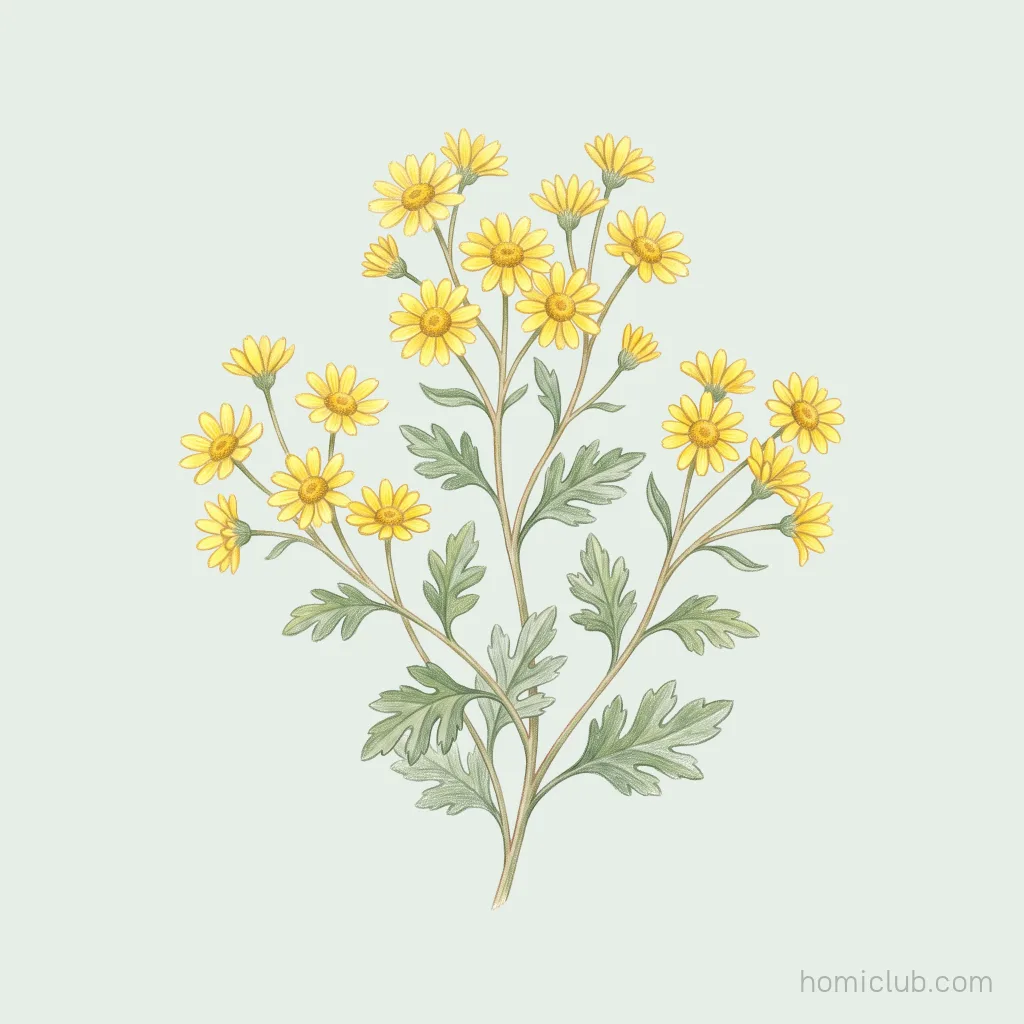
This is the fruit of aeyeop, that is, mugwort. Mugwort is a common perennial of the daisy family in fields and by roadsides; in autumn tiny flowers hang in spikes, and then very small seeds ripen. The original text deals with the leaf at length and leaves the seed a single line, beginning with the eyes. Compared with the leaf, records of the seed's use are rare.
Original, read line by line 東醫寶鑑 · Tangaek — Decoctions vol. 3
-
主明目, 療一切鬼氣, 壯陽, 助水藏腰膝, 煖子宮. 《本草》
It governs brightening the eyes, treats all manner of gwigi (鬼氣, ghostly qi), invigorates the yang, aids the sujang (水藏, water viscus) and the lower back and knees, and warms the womb. 《Boncho (本草)》
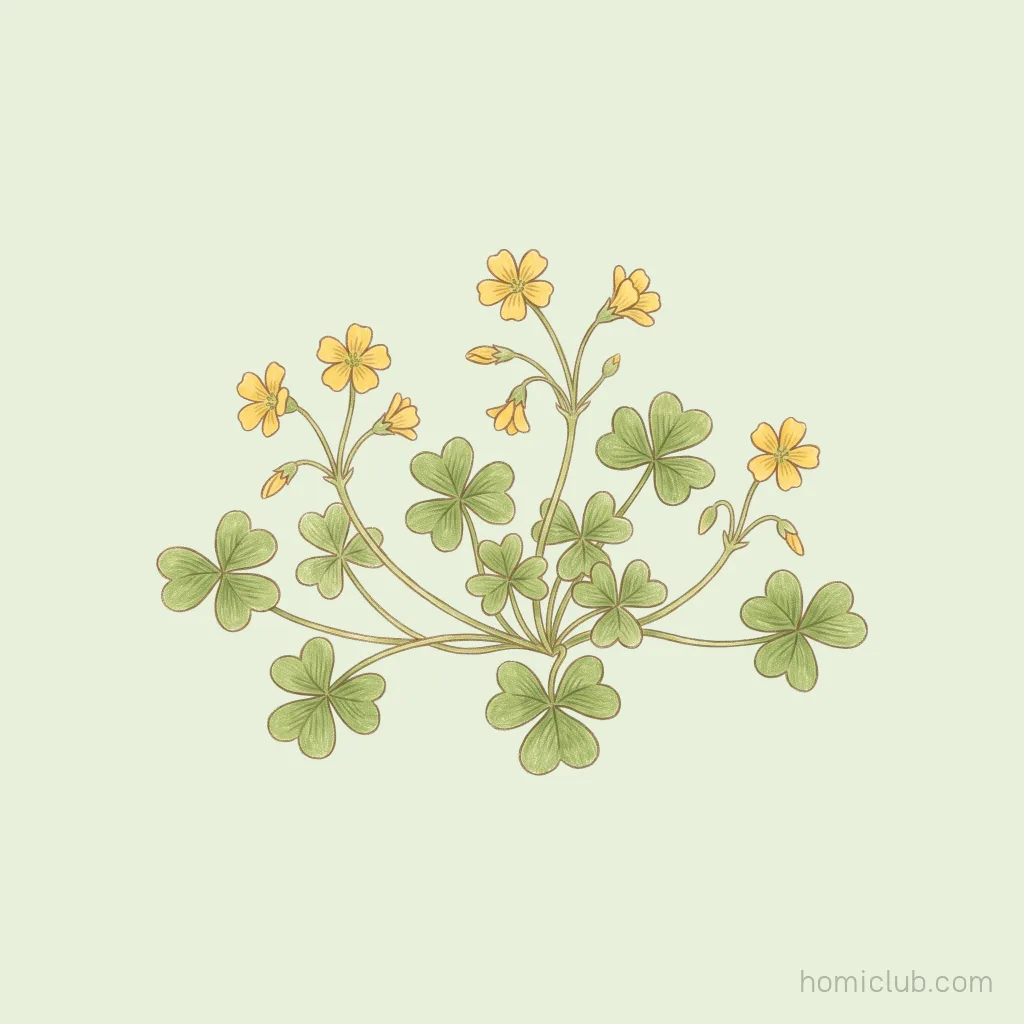
HomiclubMugwort bears tiny flowers in spike-like clusters in autumn, followed by very small seeds. Against the long treatment of the leaf, this one line is all that is recorded of the seed.
Herbs — more entries
This is a cultural and historical record from a classical text, not a claim about any food’s effects. Nothing here is a health supplement or intended to prevent or treat disease. Consult a medical professional about health concerns. · Text: Korean Medicine Classics DB, collated with the Jangseogak copy of the 1613 wooden movable-type edition · Reading: Homiclub