
Tangaek — Decoctions · Herbs
蘭草 Nancho (난초)
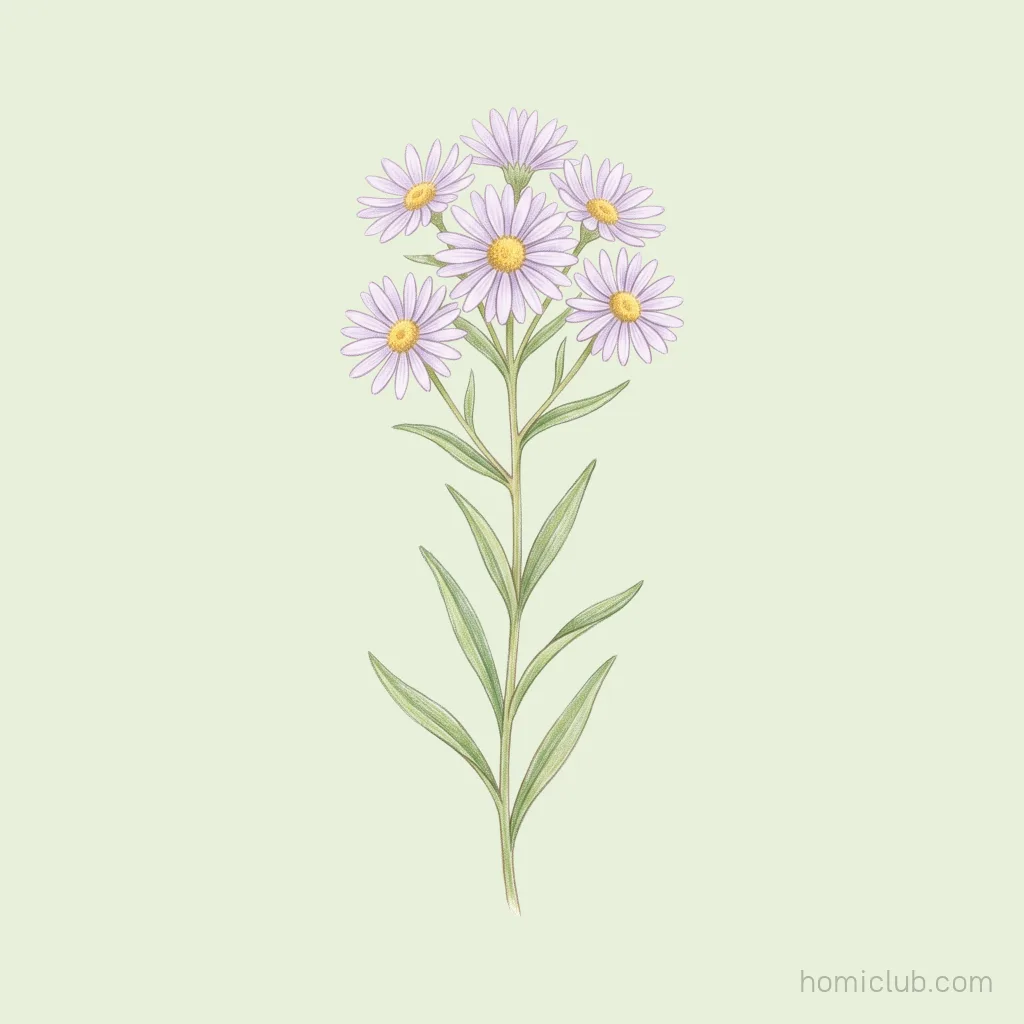
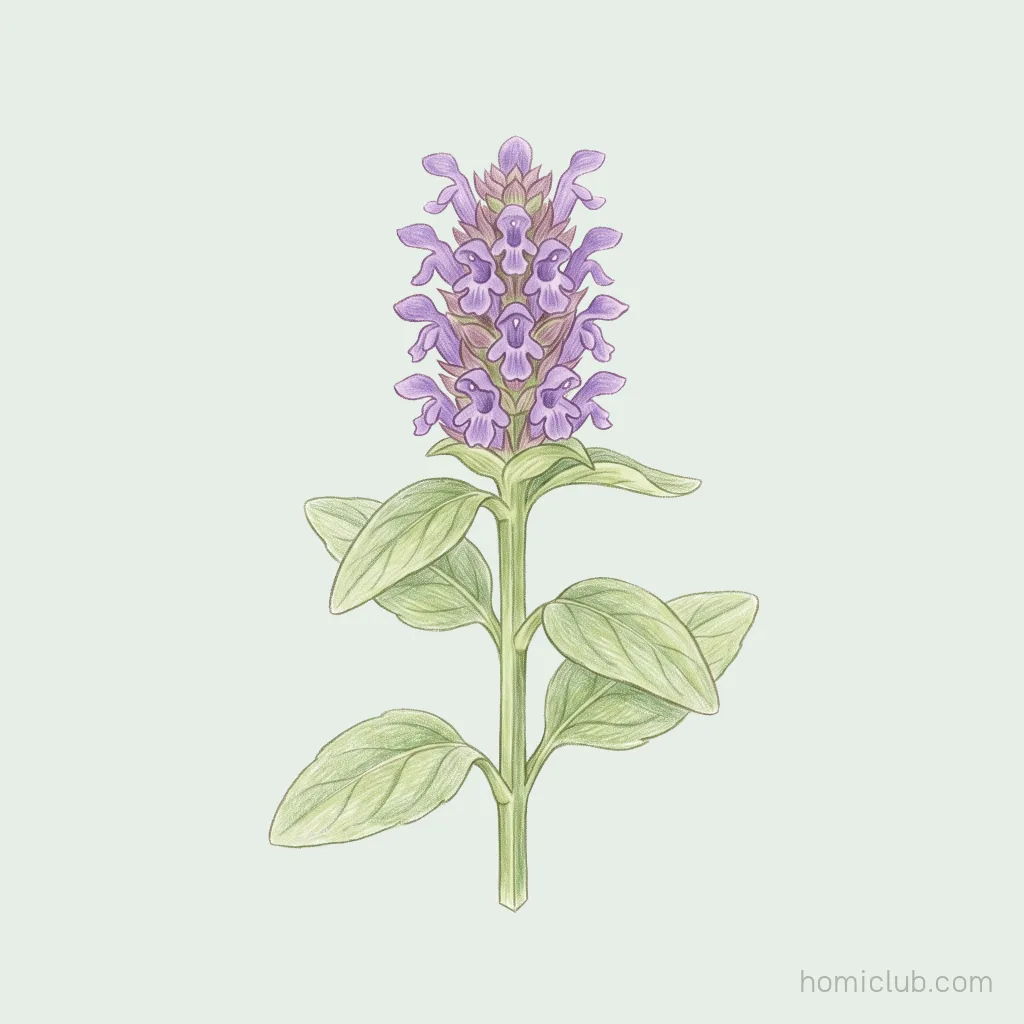
Nancho is an evergreen with narrow, grasslike leaves and scented flowers; the oriental orchids kept in pots today belong to this group. The Dongui Bogam separates the spring-blooming chunran from the autumn-blooming churan, and passes on the naming story that its leaves resemble those of maran.
Original, read line by line 東醫寶鑑 · Tangaek — Decoctions vol. 2
-
性平, 味辛, 無毒. 殺蠱毒, 辟不祥, 利水道, 除胸中痰癖.
Its nature is neutral, its taste pungent, and it is non-toxic. It kills godok (蠱毒, gu poisoning), wards off ill omens, frees the waterways, and removes dambyeok (痰癖, phlegm lumps) in the chest.
HomiclubNancho is a plant of narrow evergreen leaves and fragrant flowers, the group grown in pots today as East Asian orchids.
-
葉似麥門冬而闊且靭, 長及一二尺, 四時常靑. 花黃, 中間葉上有細紫點.
Its leaves resemble those of maekmundong but are broader and tougher, reaching one or two feet, and stay green through all four seasons. Its flower is yellow, with fine purple dots on the inner petal.
HomiclubThe purple dots on the inner petal are the markings on what is now called the lip, and growers still use them to tell varieties apart.
-
有春芳者爲春蘭, 色深, 秋芳者爲秋蘭, 色淺. 四月五月採.
Those fragrant in spring are called chunran (春蘭, spring orchid), deeper in color; those fragrant in autumn are called churan (秋蘭, autumn orchid), lighter in color. Gather them in the fourth and fifth months.
-
葉不香, 惟花香, 盆盛置座右, 滿室盡香. 與他花香, 又別. 《本草》
The leaves are not fragrant, only the flowers; set in a pot beside one's seat, they fill the whole room with scent. Their fragrance differs again from that of other flowers. 《Boncho (本草)》
-
葉似馬欄, 故名蘭草. 《入門》
Because its leaves resemble maran (馬欄), it is named nancho. 《Ipmun (入門)》
-
蘭稟金水之淸氣而似有火. 人知其花香之貴, 而不知爲用之有方, 盖其氣, 能散久積陳鬱之氣, 甚有力.
The orchid receives the clear qi of metal and water yet seems to hold fire within. People know only that its flower's scent is precious and do not know that there is method in its use; its qi is very strong at dispersing long-accumulated, stale, pent-up qi.
-
東垣云, 味甘, 性寒, 其氣淸香, 生津止渴, 益氣潤肌肉. 內經曰, 治以蘭, 除陳氣也. 《丹心》
Dongwon (東垣) said its taste is sweet and its nature cold, its qi clear and fragrant, engendering fluids, stopping thirst, augmenting qi, and moistening the flesh. The Naegyeong (內經) says: treat with orchid to remove stale qi. 《Dansim (丹心)》
Herbs — more entries
This is a cultural and historical record from a classical text, not a claim about any food’s effects. Nothing here is a health supplement or intended to prevent or treat disease. Consult a medical professional about health concerns. · Text: Korean Medicine Classics DB · Reading: Homiclub