
Tangaek — Decoctions · Herbs
防己 Banggi (방기)
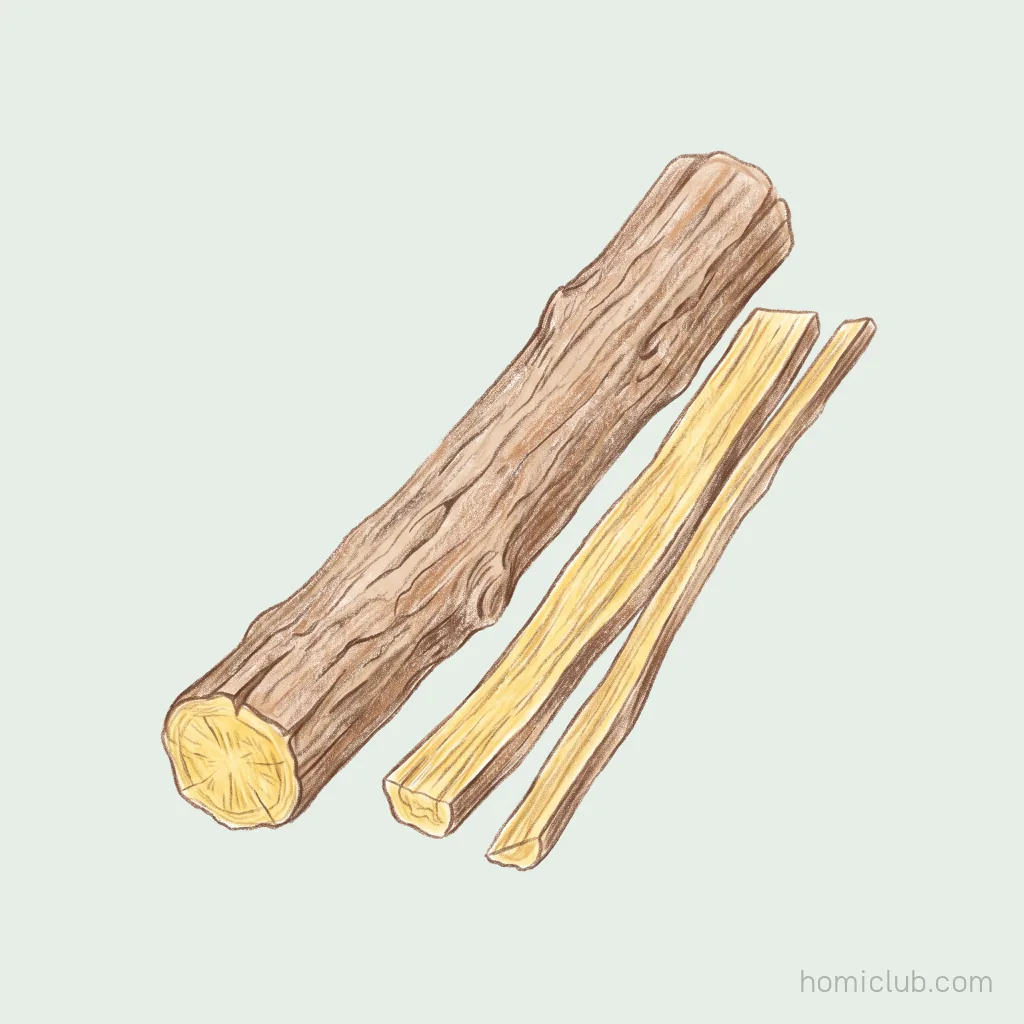
Banggi is the dug and dried root of a climbing vine of the moonseed group. A cut face shows lines radiating out like the spokes of a cartwheel. Donguibogam marked it 【唐】, an import from Hanzhong in China, and set the hollow, soft grade called mok-banggi aside as unfit.
Original, read line by line 東醫寶鑑 · Tangaek — Decoctions vol. 3
-
性平溫, 味辛苦, 無毒. 治濕風, 口面喎斜, 手足疼, 溫瘧熱氣.
Its nature is neutral and warm; its taste is pungent and bitter, and it is non-toxic. It treats damp wind, deviation of the mouth and face, aching in the hands and feet, and the heat of onhak (溫瘧, warm malaria).
HomiclubBanggi is the dried root of a moonseed-family vine. The cut surface shows a pattern radiating like the spokes of a wheel — the readiest way to recognise the drug.
-
利大小便, 療水腫風腫脚氣. 去膀胱熱, 散癰腫, 惡結, 諸瘑, 疥癬蟲瘡.
It frees the stool and urine and treats water swelling, wind swelling, and gakgi (脚氣, leg qi). It clears heat from the bladder and scatters abscesses, malignant knots, the various wa (瘑) sores, scabies, ringworm, and sores caused by worms.
-
防己本出漢中, 作車輻解, 黃實而香. 二月八月採根, 陰乾. 靑白虛軟者名木防己, 都不任用. 《本草》
Banggi comes originally from Hanjung (漢中); it splits like the spokes of a cart wheel, and is yellow, solid, and fragrant. Dig the root in the second or eighth month and dry it in the shade. Those pale green-white, hollow and soft are called mokbanggi (木防己) and are altogether unfit for use. 《Boncho (本草)》
HomiclubThe wheel-spoke pattern shows clearly when the root is cut across. The text sets apart the hollow, soft mokbanggi and states plainly that it is not to be used.
-
太陽本經藥, 通行十二經. 酒洗去皮, 治肺生用. 出華州者, 從一頭吹之, 氣從中貫, 如木通類. 《入門》
It is a channel-proper medicine of the taeyang and travels through all twelve channels. Wash it with wine and remove the bark; when treating the lung, use it raw. The kind from Hwaju (華州), when blown into at one end, lets the air pass right through its core, like the moktong group. 《Immun (入門)》
-
防己, 瀉血中濕熱. 《東垣》
Banggi drains damp-heat from within the blood. 《Dongwon (東垣)》
Herbs — more entries
This is a cultural and historical record from a classical text, not a claim about any food’s effects. Nothing here is a health supplement or intended to prevent or treat disease. Consult a medical professional about health concerns. · Text: Korean Medicine Classics DB · Reading: Homiclub