
Tangaek — Decoctions · Herbs
胡黃連 Hohwangnyeon (호황련)
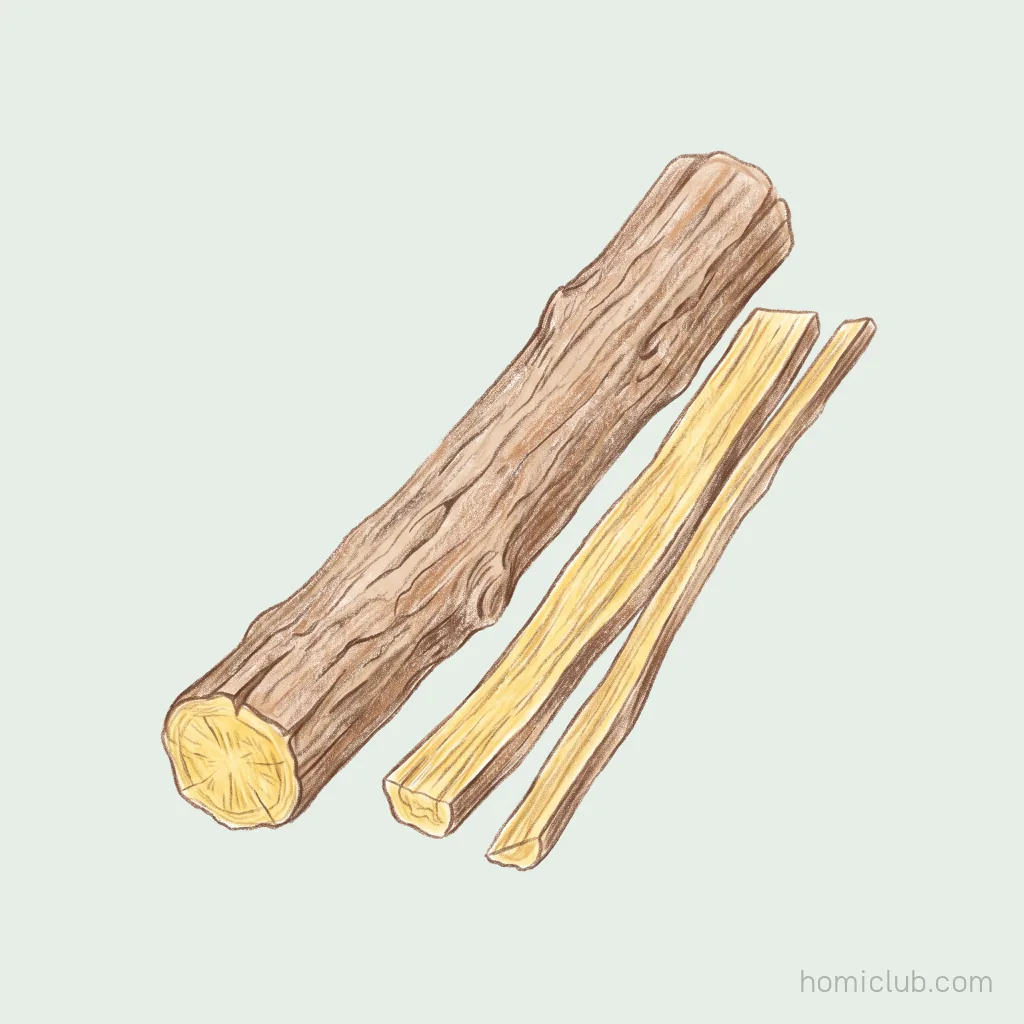
Hohwangnyeon is the rhizome of a Himalayan alpine herb, known locally as kutki. The Dongui Bogam marks it 【唐】, an imported item, and offers a test of authenticity: the piece should look like a dried willow twig, black at the core and yellow outside, and give off dust like smoke when snapped.
Original, read line by line 東醫寶鑑 · Tangaek — Decoctions vol. 3
-
性寒, 味苦, 無毒. 主骨蒸勞熱, 補肝膽明目. 小兒久痢成疳, 及驚癎, 婦人胎蒸, 男子煩熱.
Its nature is cold, its taste bitter, and it is non-toxic. It governs steaming bone fever and taxation heat, supplements the liver and gallbladder, and brightens the eyes. It addresses gam (疳) arising from a child's prolonged dysentery, fright epilepsy, steaming heat in pregnant women, and vexing heat in men.
HomiclubHohwangnyeon is the rhizome of a Himalayan alpine herb, called kutki where it grows. The graph ho (胡) in its name marks it as a material brought in from the western regions, and it is a different plant from hwangnyeon (黃連, coptis).
-
生胡地, 似乾楊柳枝. 心黑外黃, 折之塵出如烟者, 爲眞. 《本草》
It grows in hoji (胡地, the lands of the western peoples) and resembles a dried willow twig. Its core is black and its outside yellow; the genuine kind sends up dust like smoke when snapped. 《Boncho (本草)》
Herbs — more entries
This is a cultural and historical record from a classical text, not a claim about any food’s effects. Nothing here is a health supplement or intended to prevent or treat disease. Consult a medical professional about health concerns. · Text: Korean Medicine Classics DB · Reading: Homiclub