
Tangaek — Decoctions · Grains
陳廩米 Rice
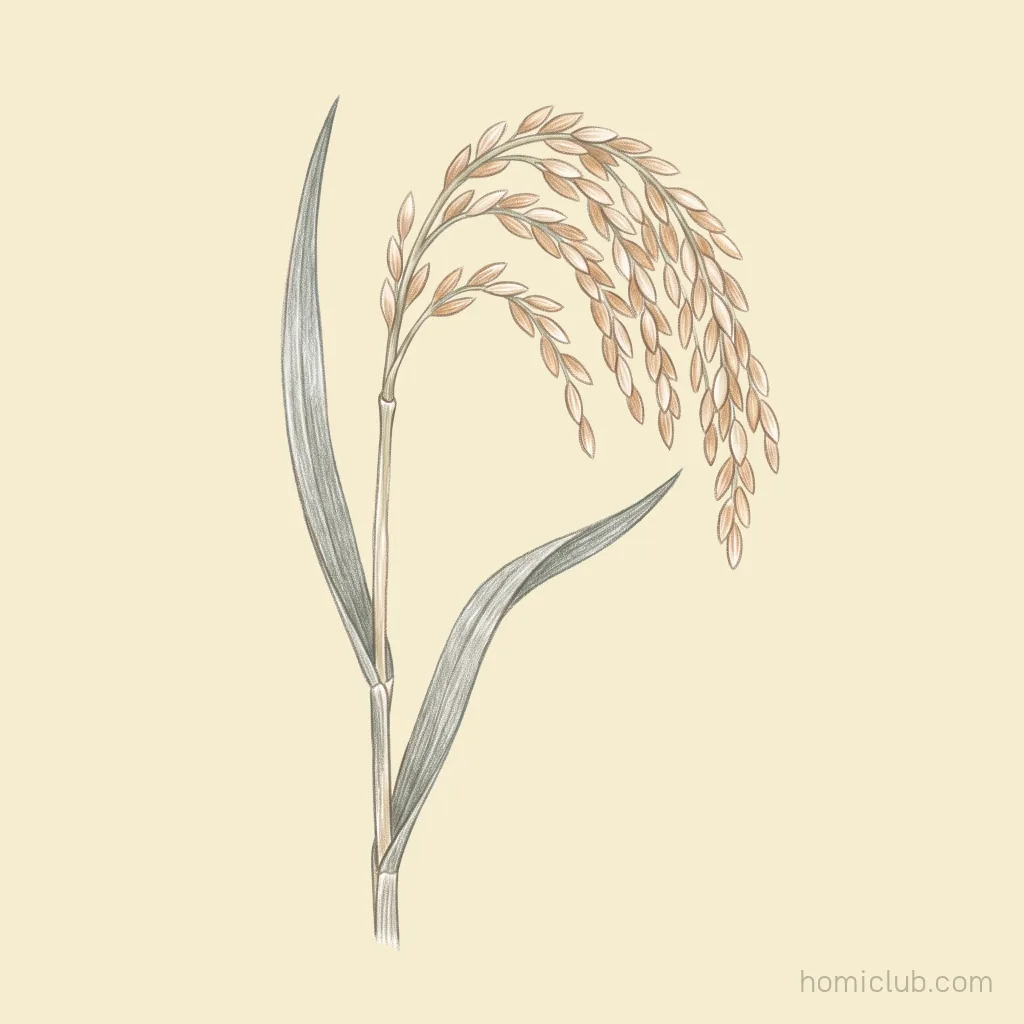 Related Crop · Rice →
Jinreummi is rice long stored in a granary, jinchangmi (陳倉米). It comes from the rice plant of the crop guide, and the text sets the mark of old at three to five years in store. The same idea survives in the aged rice held in government grain warehouses.
Original, read line by line 東醫寶鑑 · Tangaek — Decoctions vol. 1
-
性溫, 味醎酸, 無毒. 除煩調胃, 止泄, 補五藏, 澁腸胃. 宜作湯食. 《本草》
Its nature is warm, its taste salty and sour, and it is non-toxic. It removes vexation and harmonises the stomach, stops diarrhoea, supplements the five jang, and astringes the intestines and stomach. It is fitting to make it into a soup and eat it. 《Boncho (本草)》
HomiclubJinreummi is rice long stored in a granary, also written jinchangmi (陳倉米). The sense carries over in the term for aged rice held in government grain warehouses.
-
卽陳倉米也. 諸家不言是粳米, 是粟米. 然粳粟二米, 陳者性皆冷, 頻食則令人自利, 與經所說稍戾.
That is, jinchangmi. The various authorities do not say whether this is gaengmi or sokmi. Yet both gaengmi and sokmi turn cold in nature once aged, so that eating them often brings on spontaneous diarrhoea, which departs somewhat from what the classic states.
-
煎煮亦無膏膩. 今人多用新粳粟, 盖久陳則氣味腐敗. 經云, 陳者, 謂經三五年者, 此說有理. 《本草》
Decocted, it yields no oily richness either. People now mostly use fresh gaengmi and sokmi, for long ageing spoils its qi and flavour. The classic says that "aged" means one that has passed three to five years, and this account is reasonable. 《Boncho (本草)》
Related Crop
Rice →
Grains — more entries
This is a cultural and historical record from a classical text, not a claim about any food’s effects. Nothing here is a health supplement or intended to prevent or treat disease. Consult a medical professional about health concerns. · Text: Korean Medicine Classics DB · Reading: Homiclub