
Tangaek — Decoctions · Herbs
遠志 Agipeul Bulhwi (아기플 불휘)
Wonji is the root of the milkwort. The old Korean gloss, agipeul burhwi, means 'baby-plant root', and the leaf carried its own name, socho. Dongui Bogam has the root dug in the fourth and ninth months and sun-dried, then simmered in liquorice water, cored, and roasted with ginger juice.
Original, read line by line 東醫寶鑑 · Tangaek — Decoctions vol. 2
-
性溫, 味苦, 無毒.
Its nature is warm, its taste bitter, and it is non-toxic.
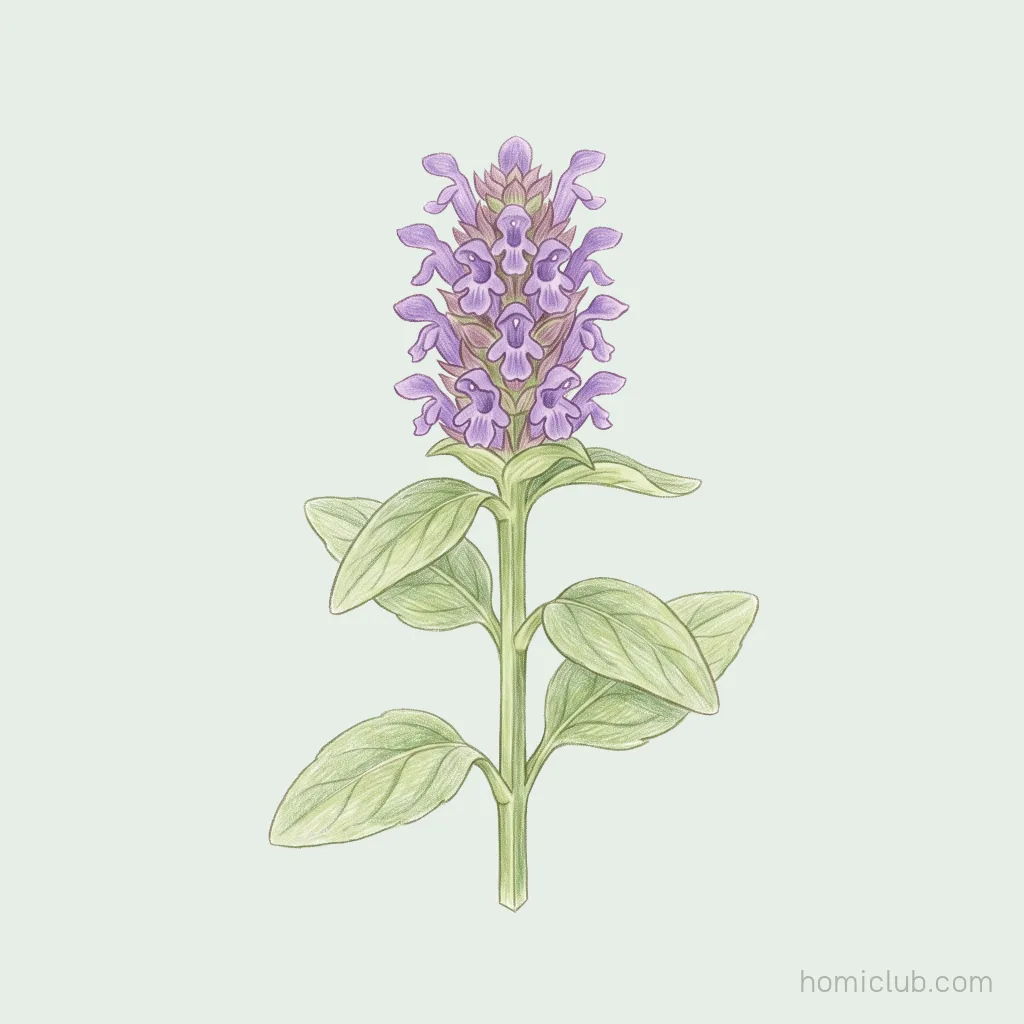
HomiclubWonji is the root of aegipul, a small perennial in the milkwort family. The old Korean name in the heading, agipeul bulhwi, is the same plant known today as aegipul. It grows on sunny hill slopes and stands about a hand-span tall.
-
益智慧, 令耳目聰明, 不忘, 强志, 定心氣, 止驚悸, 療健忘, 安魂魄, 令人不迷惑.
It augments wisdom, makes the ears and eyes keen, prevents forgetting and strengthens the will, settles the qi of the heart and stops fright palpitations, treats forgetfulness, calms the hon and baek (魂魄, ethereal and corporeal souls), and keeps a person from confusion.
-
生山中. 葉如麻黃而靑, 根黃色. 四月九月採根葉, 暴乾. 《本草》
It grows in the mountains. Its leaves are like those of mahwang (麻黃, ephedra) but green, and its root is yellow. Dig the roots and gather the leaves in the fourth and ninth months and dry them in the sun. 《Boncho (本草)》
HomiclubAegipul bears purple butterfly-shaped flowers in short spikes in spring, and its leaves are narrow and long enough to invite the comparison with ephedra. Its underground root runs thin and long and is yellow-brown.
-
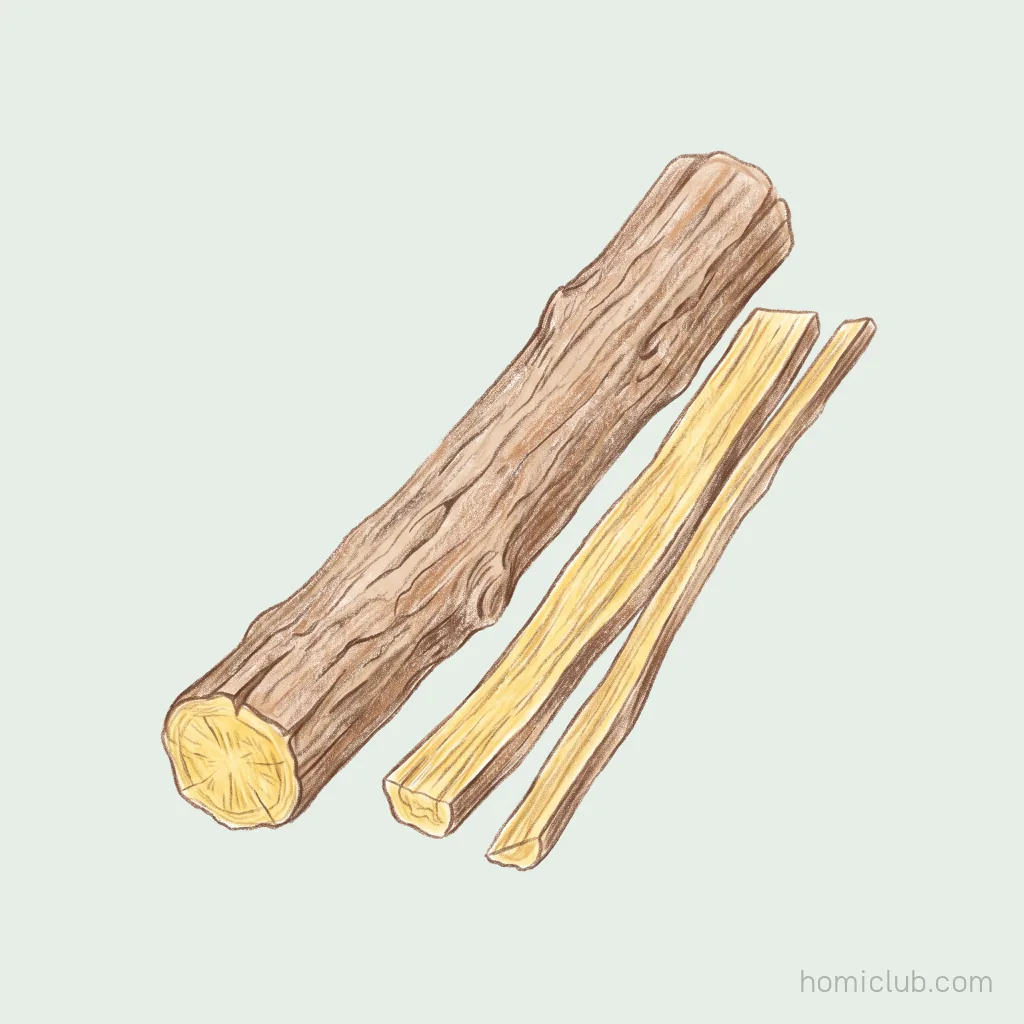
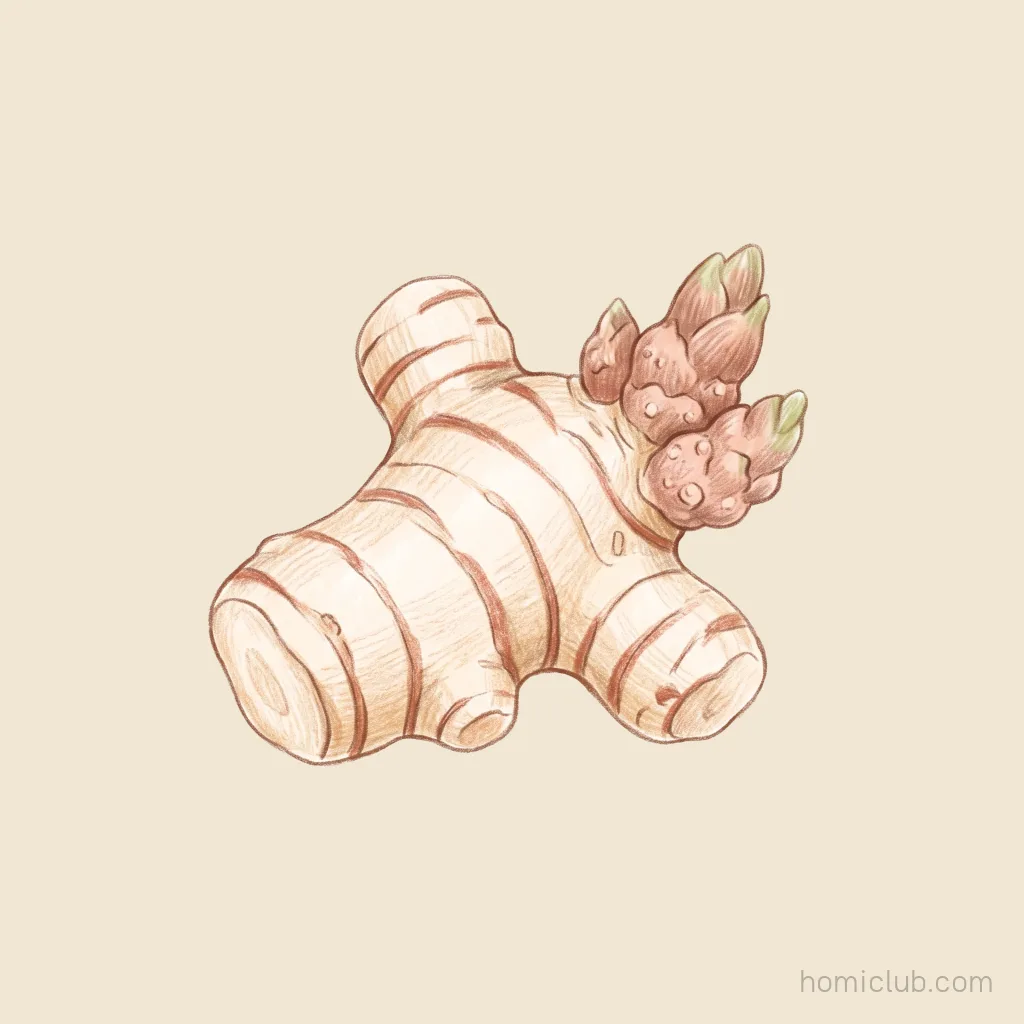
先用甘草水煮過, 去骨, 以薑汁拌炒用. 《得效》
First boil it through in licorice water, remove the woody core, then mix it with ginger juice and stir-fry it for use. 《Deukhyo (得效)》
Herbs — more entries

This is a cultural and historical record from a classical text, not a claim about any food’s effects. Nothing here is a health supplement or intended to prevent or treat disease. Consult a medical professional about health concerns. · Text: Korean Medicine Classics DB · Reading: Homiclub