
Tangaek — Decoctions · Trees
白蠟 Mupeurenamot Jin (무프레나못 진)
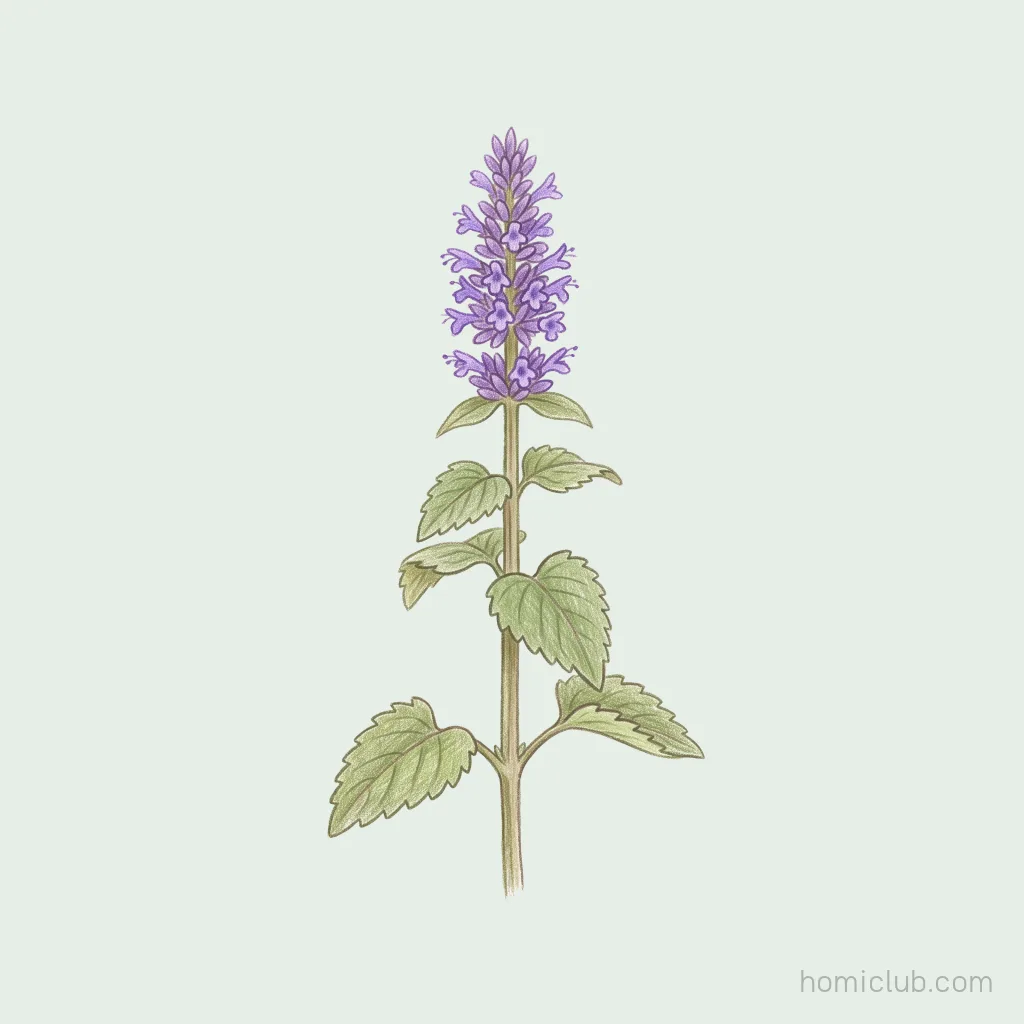
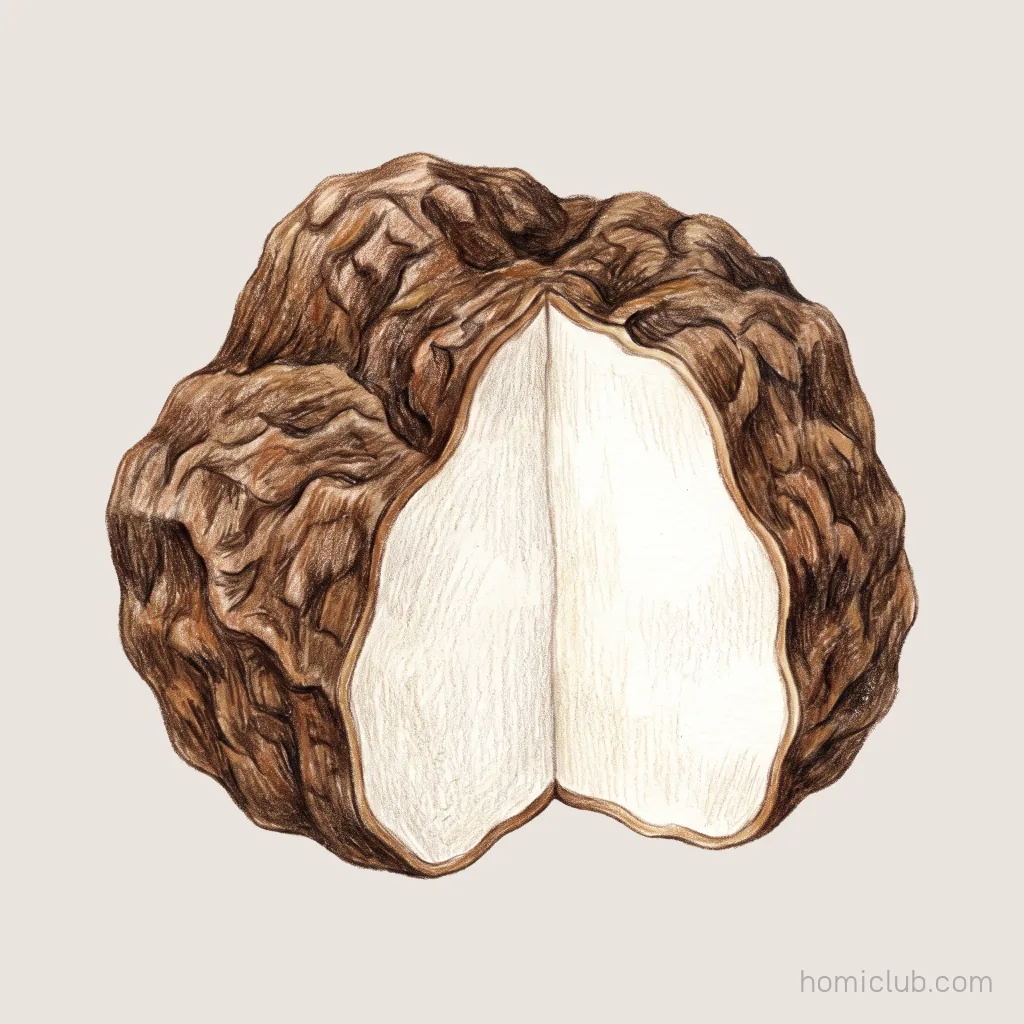
Baengnap is the wax laid down by scale insects feeding on tree sap, also called chungnap. Its old Korean name, mupeurena-mot jin, reads as ash-tree sap. It was found here and there but most abundantly on Jeju, and Sokbang says candles made from it burned brighter and clearer than beeswax.
Original, read line by line 東醫寶鑑 · Tangaek — Decoctions vol. 3
-
生肌止血定痛, 接骨續筋, 補虛, 止咳止瀉, 潤肺藏, 厚腸胃, 殺勞蟲.
It brings flesh forth, stanches blood, and settles pain; it joins bone and knits sinew; it supplements vacuity, stops coughing and diarrhea, moistens the lung viscus, thickens the intestines and stomach, and kills the nochung (勞蟲, consumption worm).
HomiclubBaengnap is the white wax secreted by the wax scale insect on tree branches, scraped off, melted, and set. In Korea it was gathered from the twigs of privet and ash, which is why the old Korean name calls it the sap of the ash tree.
-
一名蟲蠟, 冬靑樹上細蟲, 食樹液而成者.
It is also called chungnap (蟲蠟), made by tiny insects on the dongcheong tree that feed on the tree's sap.
-
屬金, 專稟收斂堅凝之氣, 外科之要藥也.
It belongs to metal and is endowed wholly with the qi of astringing and firm congealing, so it is an essential medicine of external medicine.
-
得合歡皮良, 入長肉膏神效. 《入門》
It fares well with haphwanpi (合歡皮, silk tree bark), and put into a paste for growing flesh it works marvelously. 《Immun (入門)》
-
在處有之, 濟州尤多産. 作燭明淨甚佳, 勝蜜蠟. 《俗方》
It is found in many places, and Jeju produces it most abundantly. Made into candles it burns bright and clear and is excellent, surpassing beeswax. 《Sokbang (俗方)》
Trees — more entries
This is a cultural and historical record from a classical text, not a claim about any food’s effects. Nothing here is a health supplement or intended to prevent or treat disease. Consult a medical professional about health concerns. · Text: Korean Medicine Classics DB · Reading: Homiclub