
Tangaek — Decoctions · Herbs
葉 Gyeolmyeongja Ip (결명자 잎)

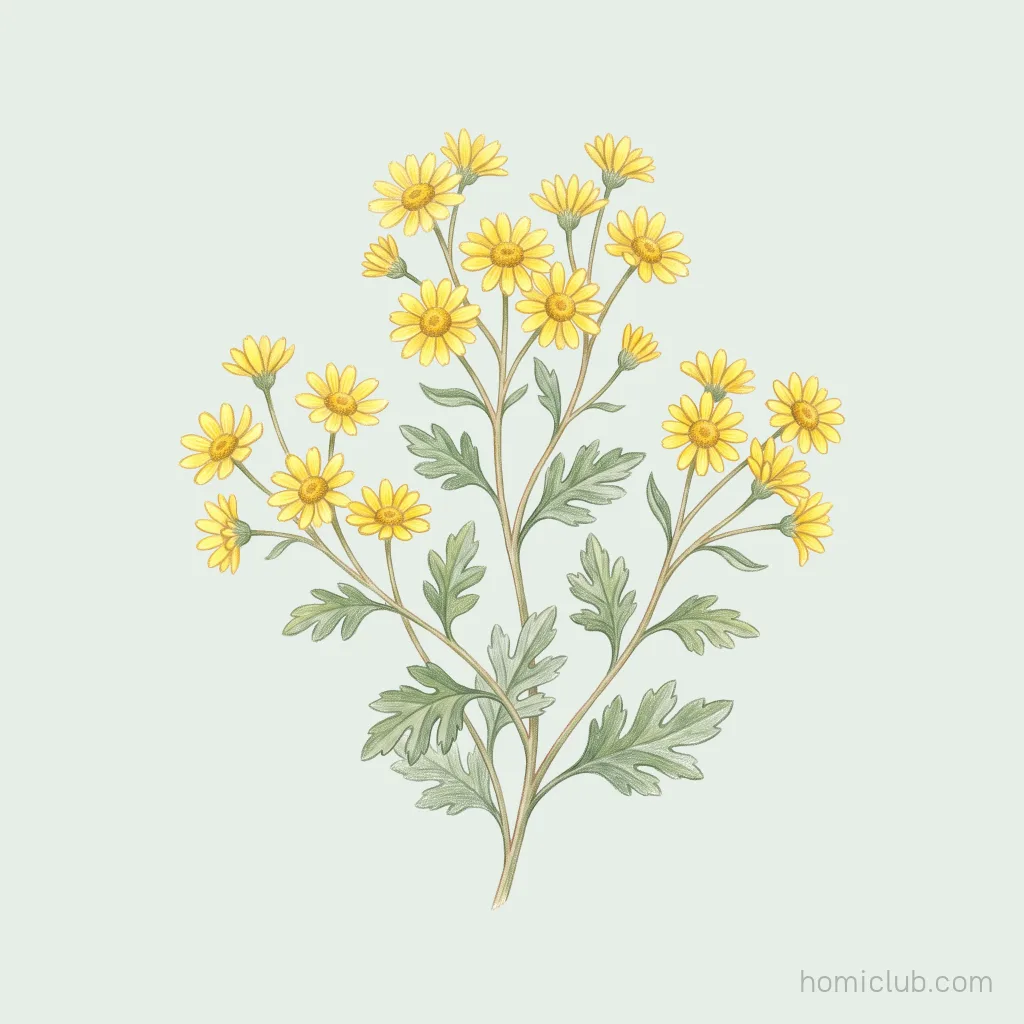
This is the leaf of gingangnamcha, the plant that bears gyeolmyeongja (cassia seed). The original says it is very good dressed and eaten as namul, showing that the leaf as well as the seed was used as food. As befits an annual of the legume family, its leaves are pinnately compound, with several pairs of small leaflets set opposite one another. Today almost only the seed is harvested, so the leaves are seldom used as namul.
Original, read line by line 東醫寶鑑 · Tangaek — Decoctions vol. 2
-
明目, 利五藏. 作茹食之, 甚良. 《本草》
It brightens the eyes and benefits the ojang (五藏, five viscera). Prepared as a vegetable dish and eaten, it is very fine. 《Boncho (本草)》
Herbs — more entries
This is a cultural and historical record from a classical text, not a claim about any food’s effects. Nothing here is a health supplement or intended to prevent or treat disease. Consult a medical professional about health concerns. · Text: Korean Medicine Classics DB, collated with the Jangseogak copy of the 1613 wooden movable-type edition · Reading: Homiclub