
Tangaek — Decoctions · Herbs
劉寄奴草 Gireumsae (기름새)
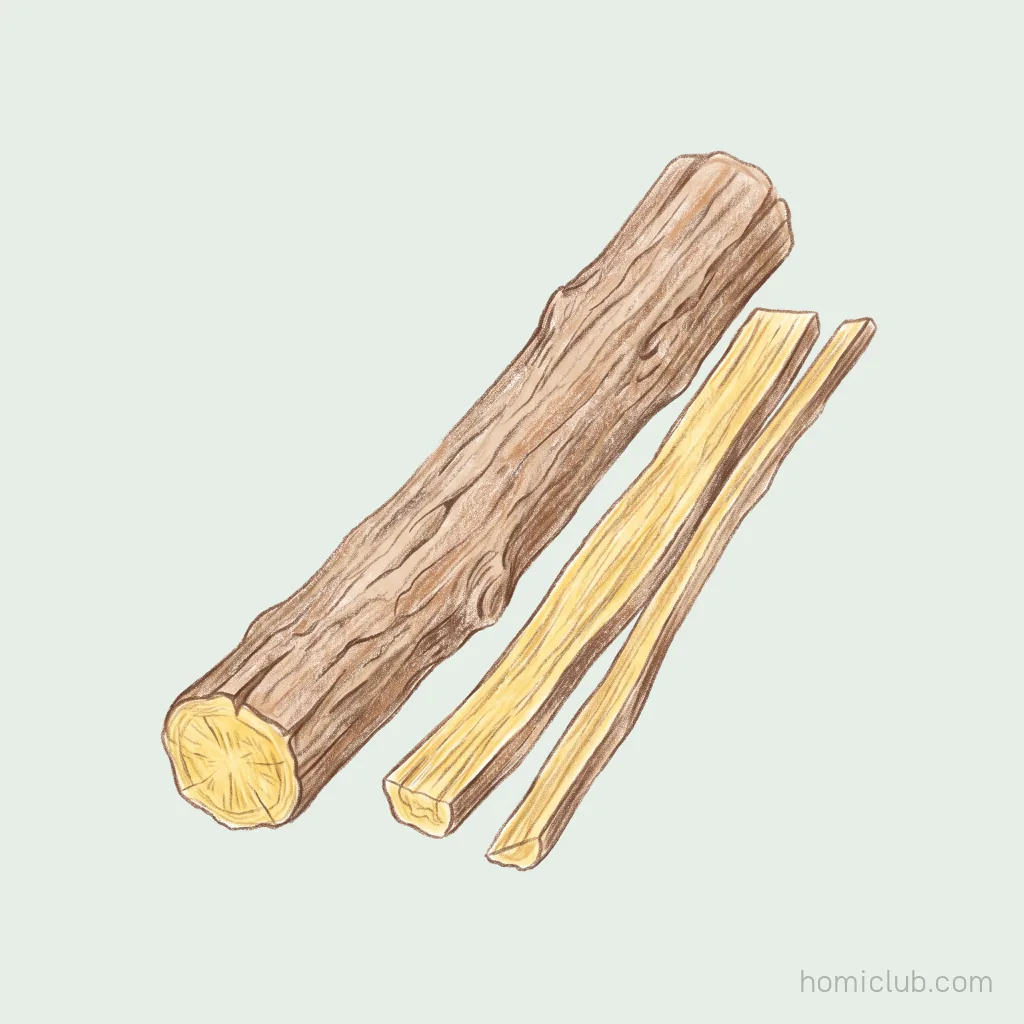
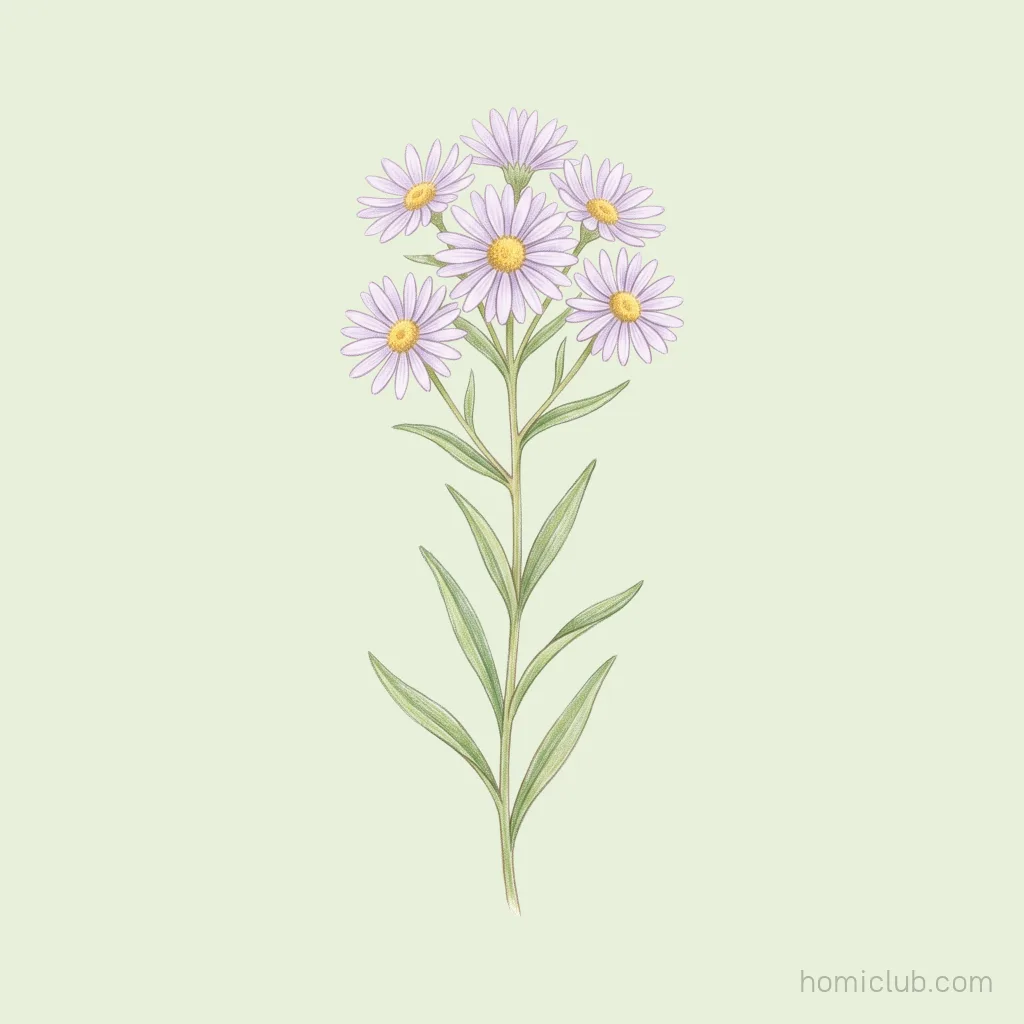
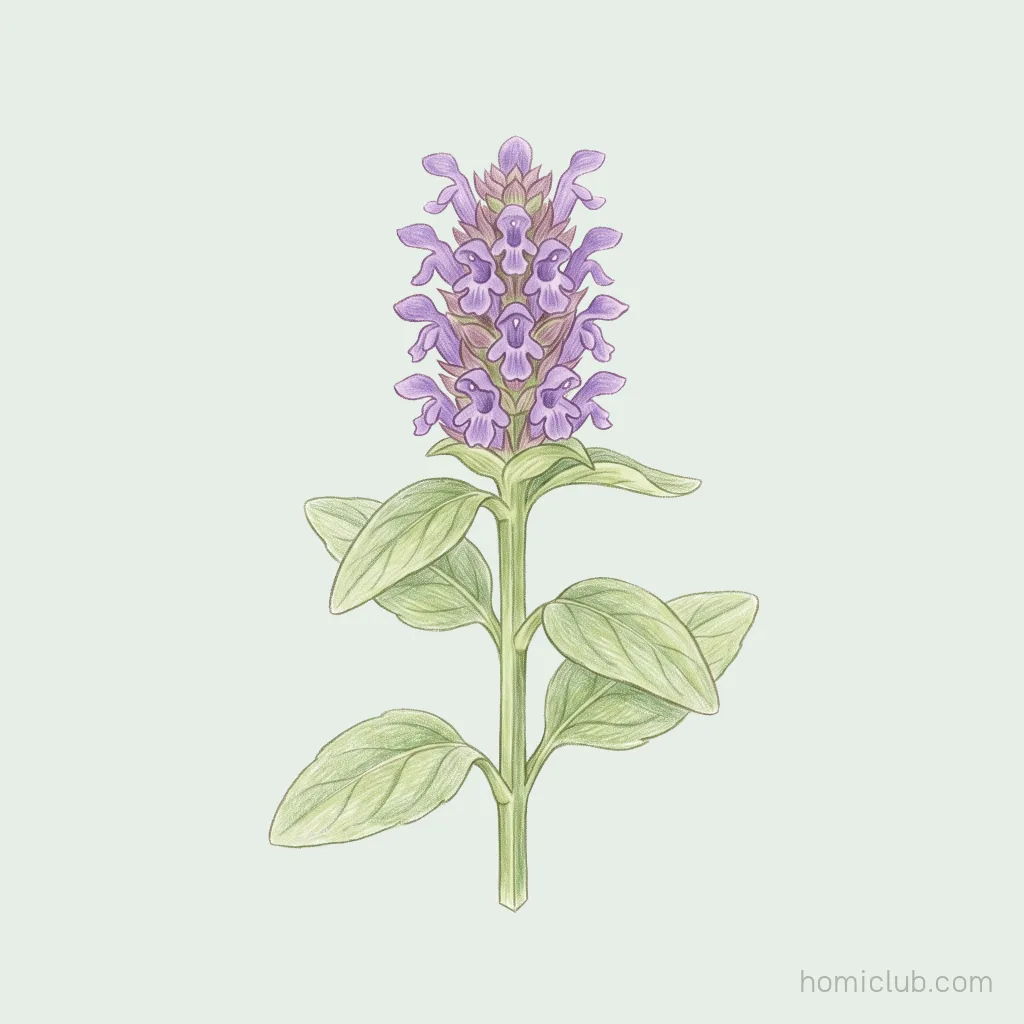
Yuginocho is a wild plant of the mugwort tribe. Its shoots and stems look like mugwort, its leaves are long like willow, the stem is four-angled, and small yellow-white flowers give way to seeds as fine as millet. The name comes from Ginu, the childhood name of Liu Yu, founding emperor of the Song.
Original, read line by line 東醫寶鑑 · Tangaek — Decoctions vol. 3
-
性溫, 味苦, 無毒.
Its nature is warm, its taste bitter, and it has no toxicity.
-
主破血下脹, 通婦人經脉癥結.
It chiefly breaks up blood and brings down distension, and frees bound masses in a woman's channels.
-
苗莖似艾蒿, 葉靑似柳.
Its shoots and stem resemble mugwort, and its leaves are green and willow-like.
-
莖有四稜, 開小黃白花, 結實似黍而細.
The stem has four ridges, it opens small yellow-white flowers, and it sets fruit resembling millet but finer.
HomiclubA square-sectioned stem and mugwort-like leaves are the marks by which this plant is recognised.
-
蒿之類也.
It belongs to the mugwort kind.
-
七月八月採, 日乾. 《本草》
It is gathered in the seventh and eighth months and dried in the sun. 《Boncho (Materia Medica)》
-
宋高祖劉裕, 少名寄奴, 用此治金瘡出血如神, 故爲名. 《入門》
Emperor Gaozu of Song, Liu Yu, was called Jinu in childhood; he used this plant to treat bleeding from metal wounds with uncanny success, and so it was named after him. 《Immun (Introduction to Medicine)》
HomiclubLiu Yu founded the Liu Song dynasty of southern China. It is a rare case of one person's childhood name surviving intact as the name of a herb.
Herbs — more entries
This is a cultural and historical record from a classical text, not a claim about any food’s effects. Nothing here is a health supplement or intended to prevent or treat disease. Consult a medical professional about health concerns. · Text: Korean Medicine Classics DB · Reading: Homiclub