
Tangaek — Decoctions · Herbs
蒴藋 Ojomnamu (오좀나무)
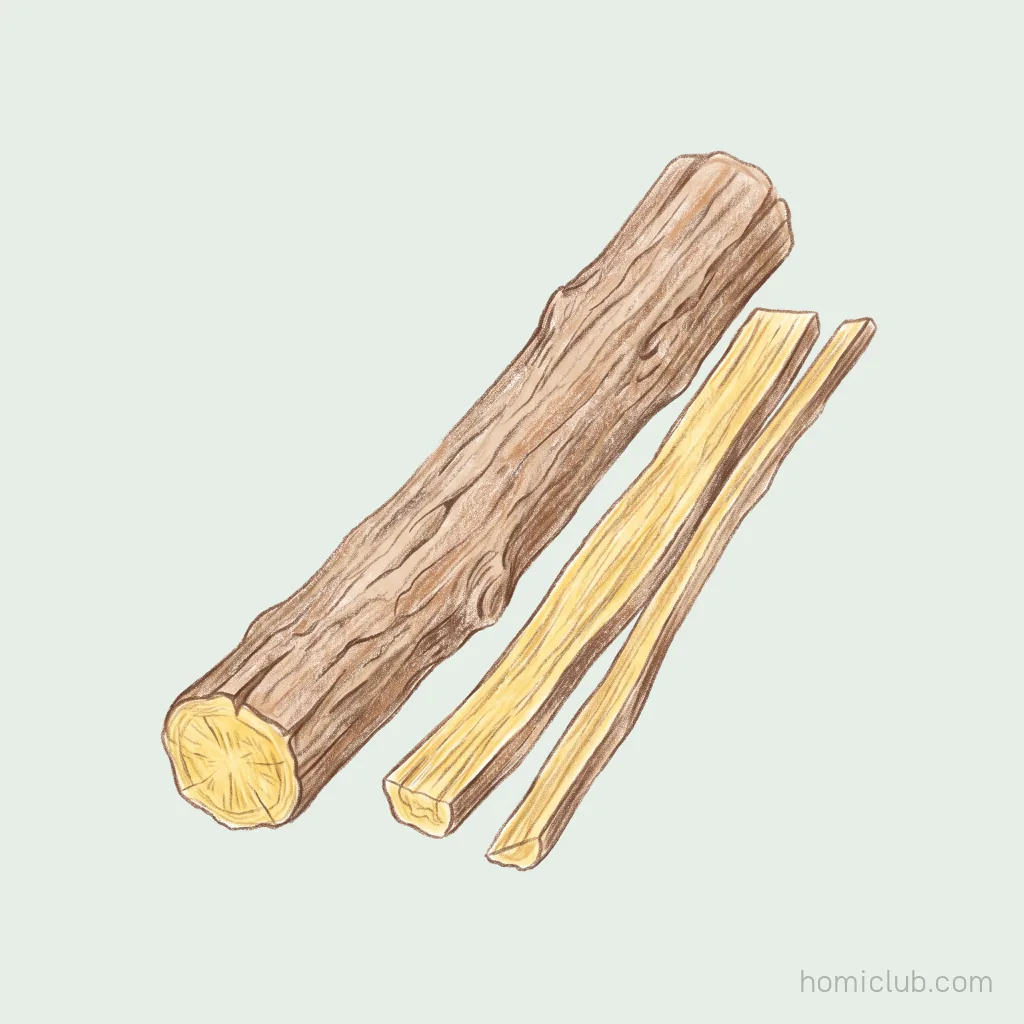
Sakjo refers to the elder shrubs, known in old Korean as ojumnamu. Donguibogam records the alternate name jeopgolmok and says the leaves are gathered in spring and summer, the stems and roots in autumn and winter. The text also marks the plant as poisonous, so it is not one to handle casually.
Original, read line by line 東醫寶鑑 · Tangaek — Decoctions vol. 3
-
性溫一云凉, 味酸, 有毒.
Its nature is warm, though some sources describe it as cool. The taste is sour, and it carries toxicity, so it must be handled with care.
-
主風瘙, 癮疹, 身痒, 瘑癩, 風痺.
It treats wind-induced itching, urticaria, generalized pruritus, stubborn skin sores and leprosy-like conditions, as well as wind-related numbness and paralysis. In short, it soothes both skin and nerves afflicted by wind pathogens.
-
一名接骨木, 處處有之.
It is also called jeopgolmok, the bone-mending tree, and grows widely in many regions. The name itself reflects the folk reputation of helping mend broken bones.
-
春夏採葉, 秋冬採莖根, 可作浴湯. 《本草》
Leaves are gathered in spring and summer, while stems and roots are dug up in autumn and winter. Decocted as bathwater, it is said in the Bencao to ease itching and soothe the skin.
Herbs — more entries
This is a cultural and historical record from a classical text, not a claim about any food’s effects. Nothing here is a health supplement or intended to prevent or treat disease. Consult a medical professional about health concerns. · Text: Korean Medicine Classics DB · Reading: Homiclub