
Tangaek — Decoctions · Herbs
芍藥 Peony
 Related Crop · Peony →
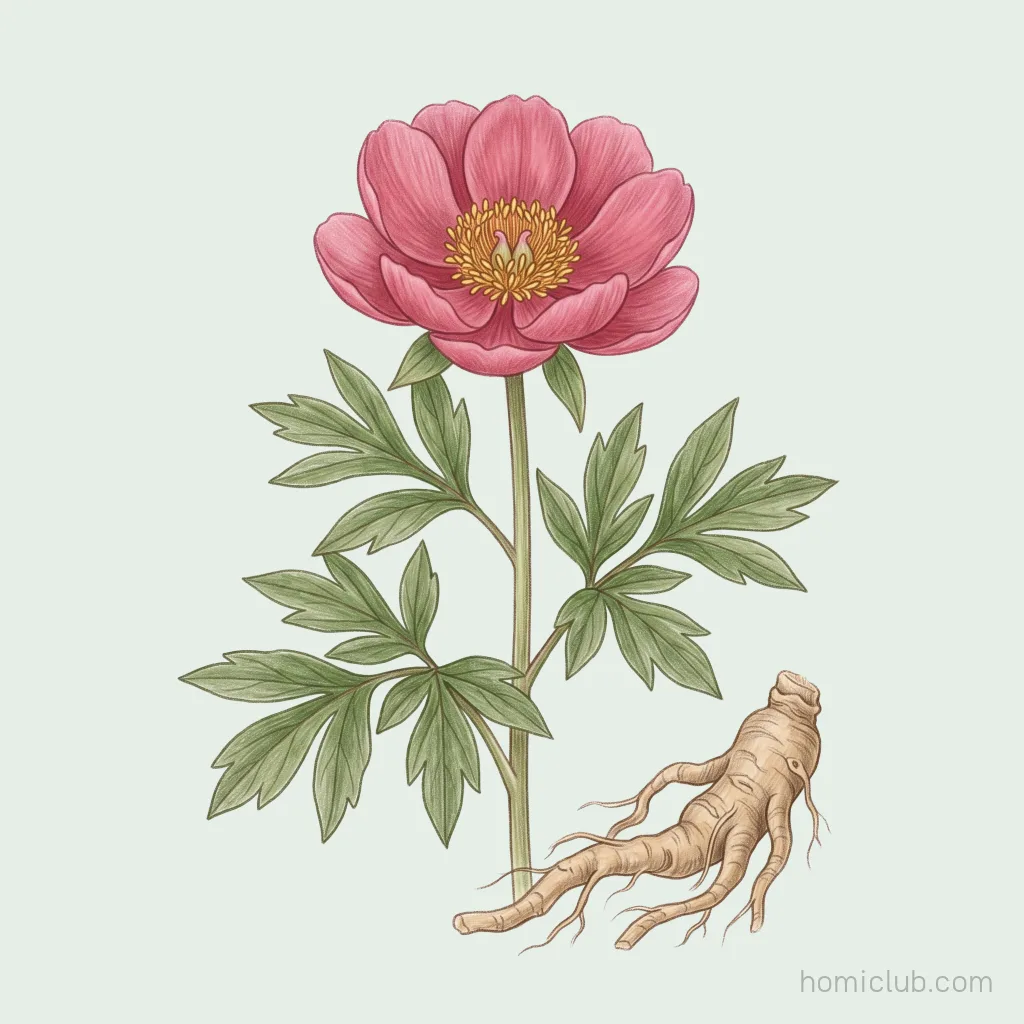
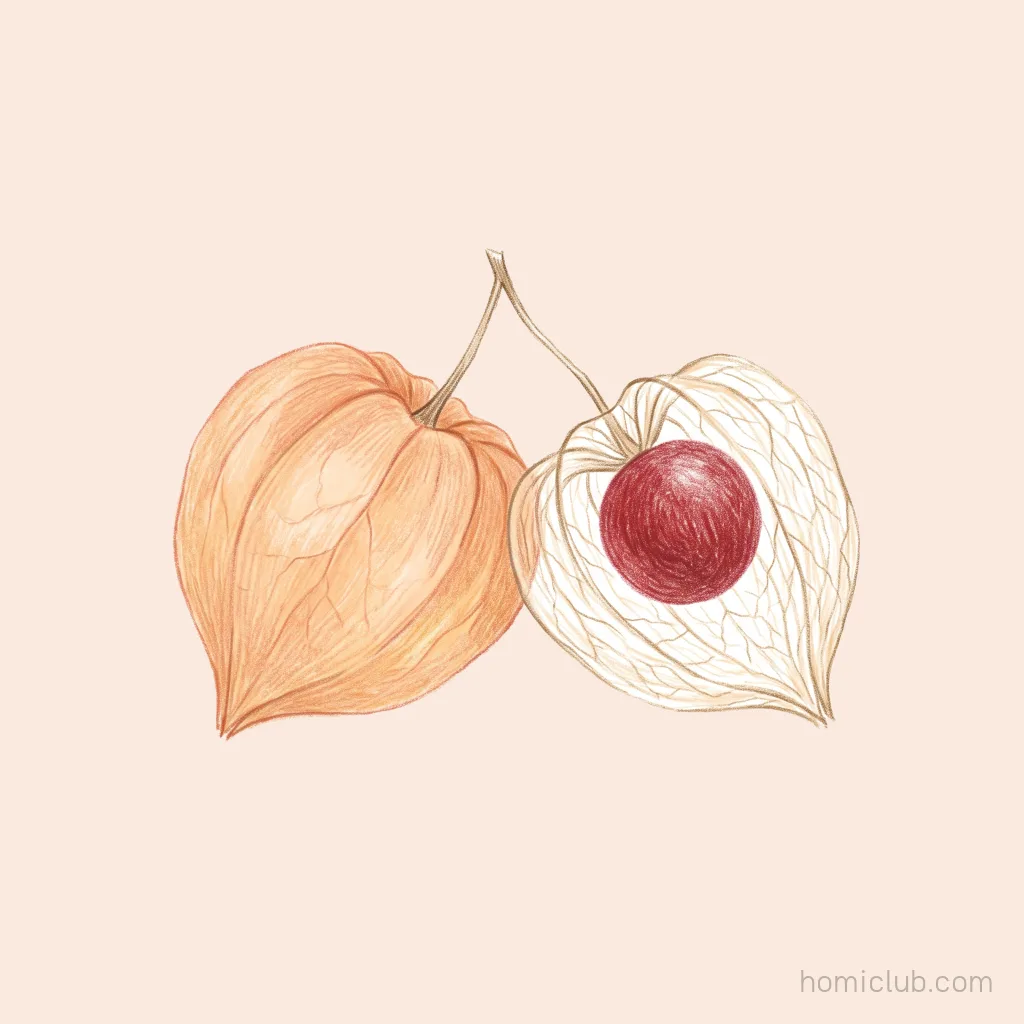
Peony root comes from a perennial of hills and open country, dug in the second and eighth lunar months and dried in the sun. The big showy blooms Koreans call hambakkkot rise from this root. The text sorts it into red and white kinds and prefers wild mountain stock.
Original, read line by line 東醫寶鑑 · Tangaek — Decoctions vol. 3
-
性平, 微寒, 味苦酸, 有小毒.
Its nature is neutral and slightly cold, the taste is bitter and sour, and it carries a mild toxicity.
-
除血痺, 通順血脉, 緩中, 散惡血, 消癰腫, 止腹痛, 消瘀血, 能蝕膿.
It clears blood-obstruction syndromes, smooths the flow of blood vessels, relaxes the middle, disperses bad blood and stasis, reduces abscesses and swellings, stops abdominal pain, and can even erode away pus.
-
主女人一切病, 幷産前後諸疾.
It chiefly treats all manner of women's ailments and the various conditions arising before and after childbirth.
-
通月水, 療腸風瀉血, 痔瘻, 發背瘡疥, 及目赤努肉, 能明目.
It restores menstrual flow, treats intestinal-wind bleeding, fistulas, back abscesses and scabies, as well as red eyes with overgrown flesh, and so brightens vision.
-
生山野, 二月八月採根, 暴乾.
It grows in mountains and fields; the roots are gathered in the second and eighth lunar months and dried thoroughly in the sun.
-
宜用山谷自生者, 不用人家糞壤者.
One ought to use roots that grow wild in mountain valleys, never those cultivated in the manured plots of households.
-
又云, 須用花紅而單葉, 山中者佳.
It is also said that one should pick specimens with red flowers and single petals, with the mountain-grown roots being the finest.
-
一名解倉.
It also goes by the name Haechang (解倉).
-
有兩種. 赤者, 利小便下氣, 白者, 止痛散血.
There are two kinds: the red peony promotes urination and descends qi, while the white peony relieves pain and disperses stagnant blood.
-
又云, 白者補, 赤者瀉. 《本草》
It is also recorded that the white kind tonifies while the red kind purges. 《Bencao》
-
入手足太陰經.
Its action enters the Hand-Taiyin (Lung) and Foot-Taiyin (Spleen) meridians.
-
又瀉肝, 補脾胃.
It further drains excess from the liver and tonifies the spleen and stomach.
-
酒浸行經, 或酒炒或煨用. 《入門》
Soaked in wine it travels through the meridians; it is prepared by stir-frying with wine or by roasting in hot ashes. 《Ipmun》
-
芍藥酒浸炒, 與白朮同用則能補脾, 與川芎同用則瀉肝, 與參朮同用則補氣.
Wine-soaked and stir-fried peony, when paired with Baizhu tonifies the spleen, paired with Chuanxiong drains the liver, and paired with ginseng and Baizhu tonifies qi.
-
治腹痛下痢者必炒, 後重則不炒.
For abdominal pain with diarrhea it must be stir-fried; for tenesmus, however, it is used unfried.
-
又云, 收降之體, 故能至血海, 入於九地之下, 得至足厥陰經也. 《丹心》
It is further said that, owing to its gathering and descending nature, it reaches the Sea of Blood, penetrates the deepest layer beneath the ninth earth, and arrives at the Foot-Jueyin (Liver) meridian. 《Danxin》
Related Crop
Peony →
Reading on Peony
Herbs — more entries
This is a cultural and historical record from a classical text, not a claim about any food’s effects. Nothing here is a health supplement or intended to prevent or treat disease. Consult a medical professional about health concerns. · Text: Korean Medicine Classics DB · Reading: Homiclub