
Tangaek — Decoctions · Herbs
敗醬 Golden lace patrinia
 Related Crop · Golden lace patrinia →
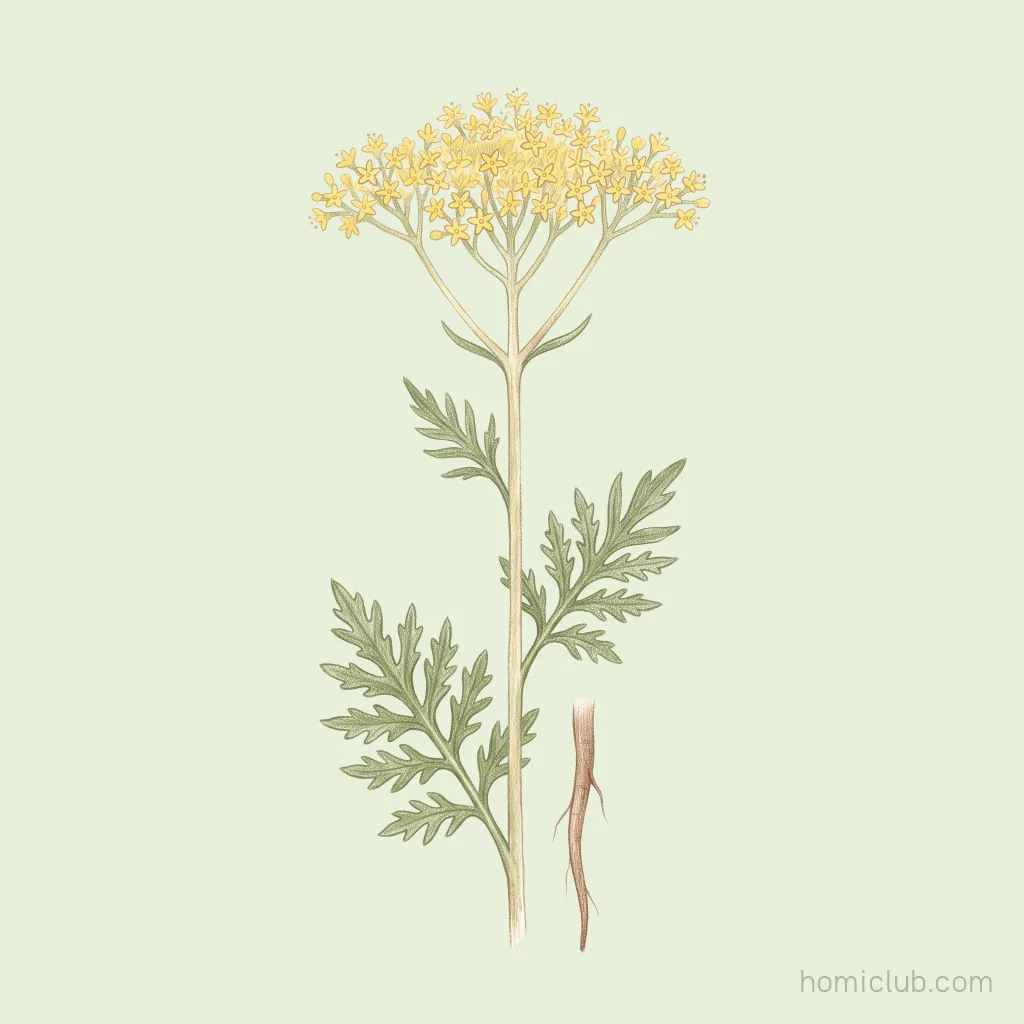
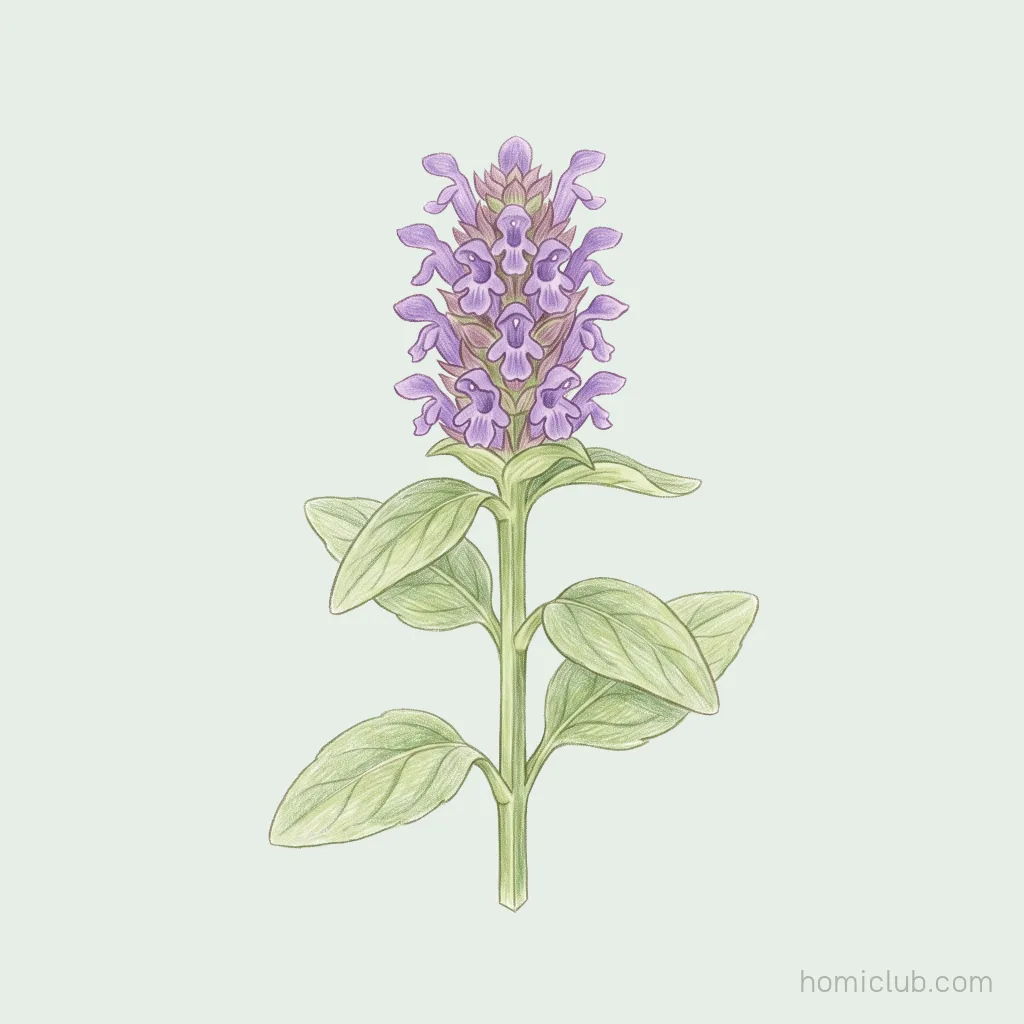
Paejang is the sun-dried root of patrinia, a perennial that raises clouds of small yellow flowers across hills and fields from summer into autumn; its young shoots are eaten as a wild green. The root smells of stale soybean paste, which is where the name paejang came from.
Original, read line by line 東醫寶鑑 · Tangaek — Decoctions vol. 3
-
性平一云微寒, 味苦醎, 無毒.
Its nature is neutral, though some say slightly cold. The taste is bitter and salty, and it is non-toxic.
-
主破多年凝血, 能化膿爲水, 及産後諸病, 能催生, 落胞.
It breaks up clotted blood that has stagnated for years, dissolves pus into watery fluid, treats various postpartum disorders, hastens delivery, and helps expel the placenta.
-
療暴熱火瘡, 瘡瘍疥癬, 丹毒.
It heals burns from sudden heat, sores and abscesses, scabies and ringworm, and erysipelas.
-
治赤眼, 障膜努肉, 聤耳.
It treats red eyes, films and fleshy growths over the eyes, and chronic suppurative ear discharge.
-
又排膿補瘻.
It also drains pus and helps close up fistulous wounds.
-
生山野, 根紫色似柴胡.
It grows wild in mountains and fields, and its root is purple, resembling that of bupleurum.
-
作陳敗豆醬氣, 故以爲名.
It gives off the smell of spoiled, aged bean paste, which is why it was named paejang, meaning 'spoiled sauce.'
-
八月採根, 暴乾. 《本草》
The root is gathered in the eighth lunar month and sun-dried. From the Bencao.
-
入足少陰經ㆍ手厥陰經. 《湯液》
It enters the Foot Shaoyin Kidney channel and the Hand Jueyin Pericardium channel. From the Tangye.
Related Crop
Golden lace patrinia →
Herbs — more entries
This is a cultural and historical record from a classical text, not a claim about any food’s effects. Nothing here is a health supplement or intended to prevent or treat disease. Consult a medical professional about health concerns. · Text: Korean Medicine Classics DB · Reading: Homiclub