
Tangaek — Decoctions · Herbs
茅香花 Huinttikkot (흰띠꽃)
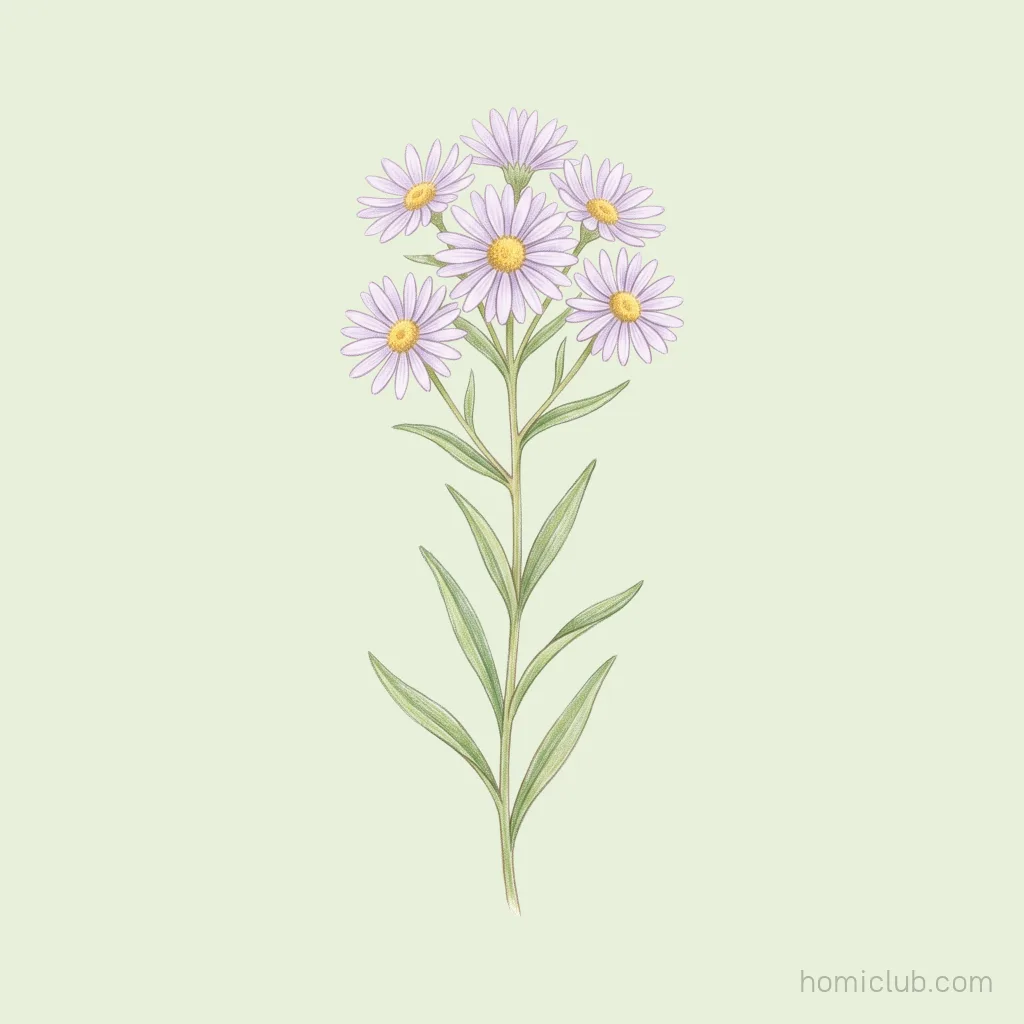
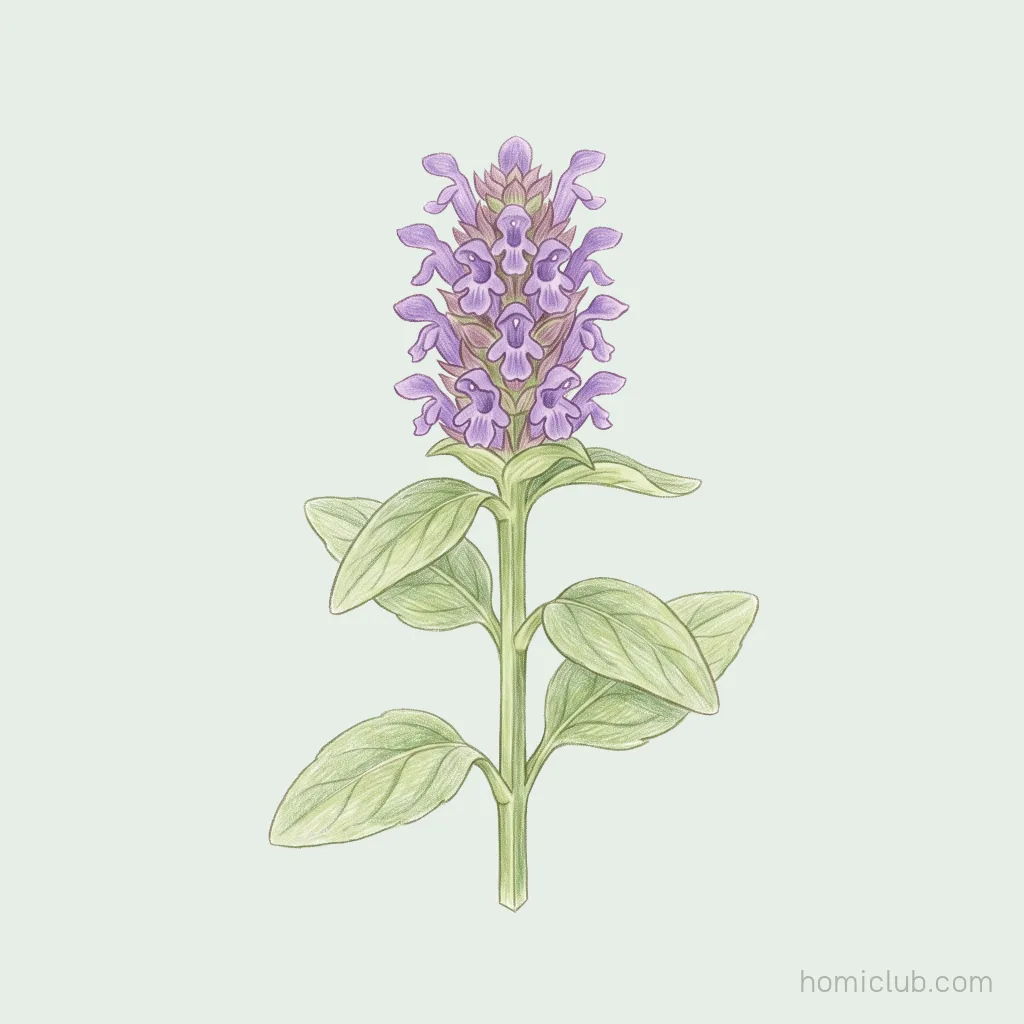
Mohyanghwa is the white flower of a cogongrass relative. Its shoots look like barley, its stems and leaves are brown-black, and only the flower opens white. Roots were dug in the first two months and flowers picked in the fifth; the root, baengmohyang, was boiled for bathwater.
Original, read line by line 東醫寶鑑 · Tangaek — Decoctions vol. 3
-
性溫, 味苦, 無毒.
Its nature is warm, its taste bitter, and it is non-toxic. It warms the body without burdening it.
-
止吐血鼻衄, 付灸瘡金瘡, 止血及痛.
It stops vomiting of blood and nosebleeds, and when applied to moxibustion sores or knife wounds, it halts both bleeding and pain. It was widely used to address bleeding inside and out.
-
苗似大麥, 五月開白花.
Its sprouts resemble barley, and in the fifth month it opens white blossoms. It is a sight often met in the fields.
-
正月二月採根, 五月採花, 八月採苗.
The roots are gathered in the first and second months, the flowers in the fifth, and the sprouts in the eighth. Each part has its own appointed season.
-
其莖葉黑褐而花白.
The stems and leaves are blackish-brown while the flowers alone bloom white, making a striking contrast. The white blossoms stand out clearly against the dark foliage.
-
隨處有之. 《本草》
It grows everywhere and is easily obtained. So records the Bencao.
-
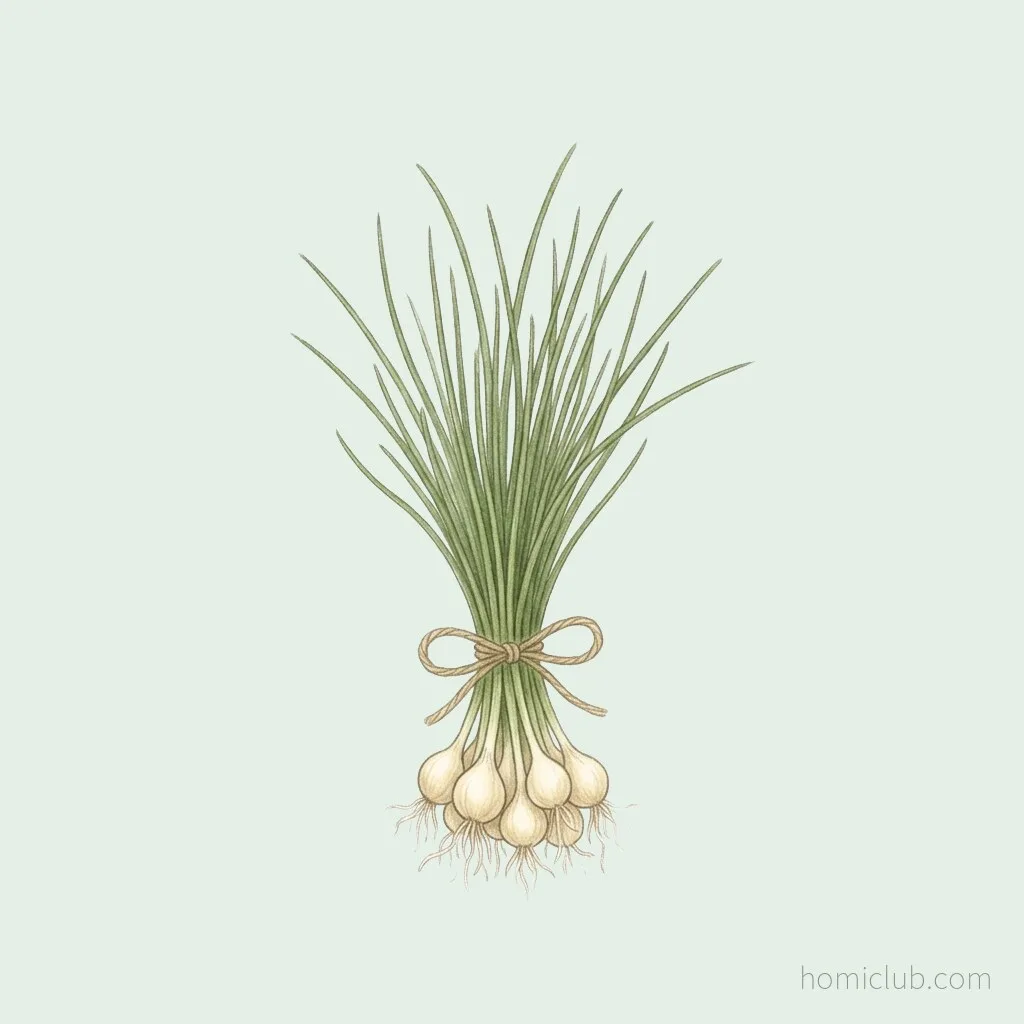
白茅香, 性平, 味甘, 明潔而長.
Baimaoxiang is balanced in nature and sweet in taste, bright and clean in appearance, growing in long slender form. It pairs with the maoxianghua described above.
-
作湯浴, 辟邪氣, 令人身香.
Boiled into a bath, it wards off noxious airs and leaves a gentle fragrance on the body. It was a favored ingredient of the scented baths of old.
-
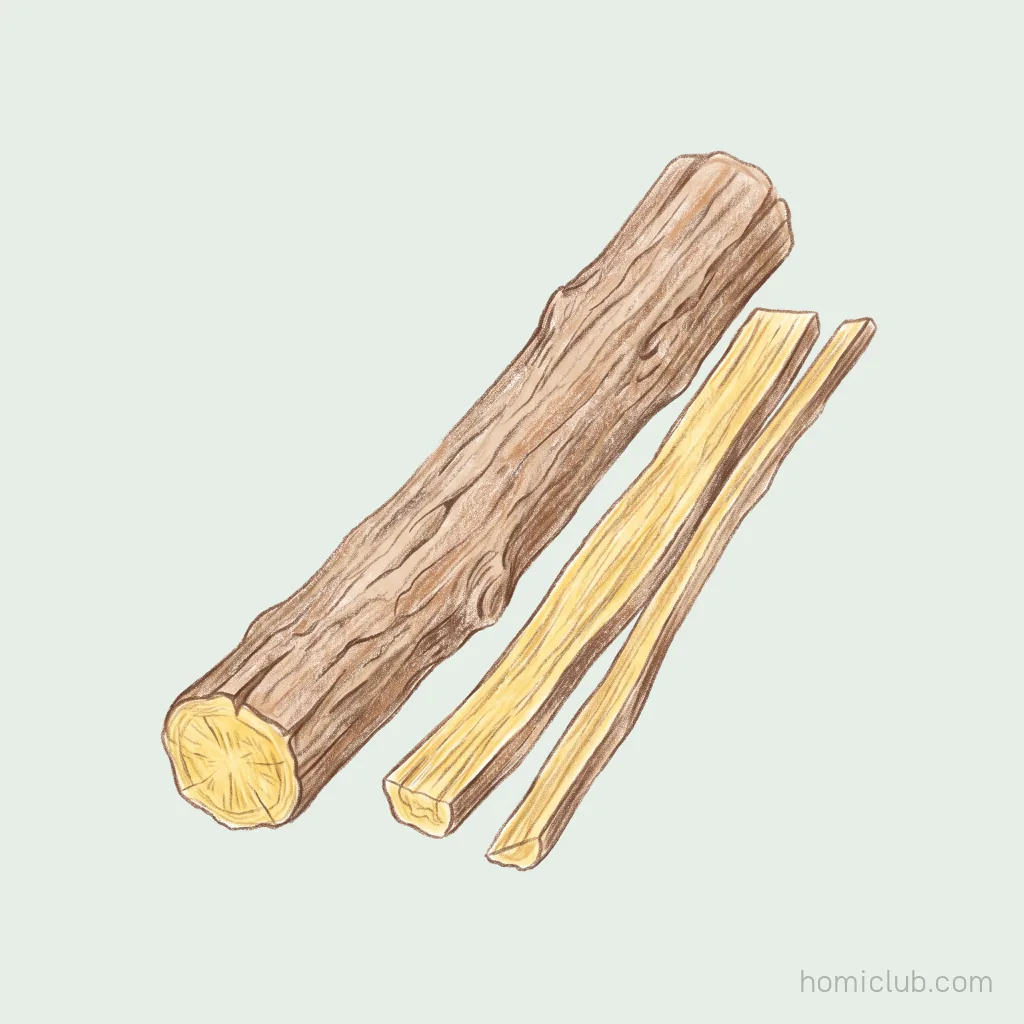
卽根也. 《本草》
What is used here is none other than the root. So the Bencao notes.
Herbs — more entries
This is a cultural and historical record from a classical text, not a claim about any food’s effects. Nothing here is a health supplement or intended to prevent or treat disease. Consult a medical professional about health concerns. · Text: Korean Medicine Classics DB · Reading: Homiclub