
Tangaek — Decoctions · Herbs
狼牙 Nanga (낭아)

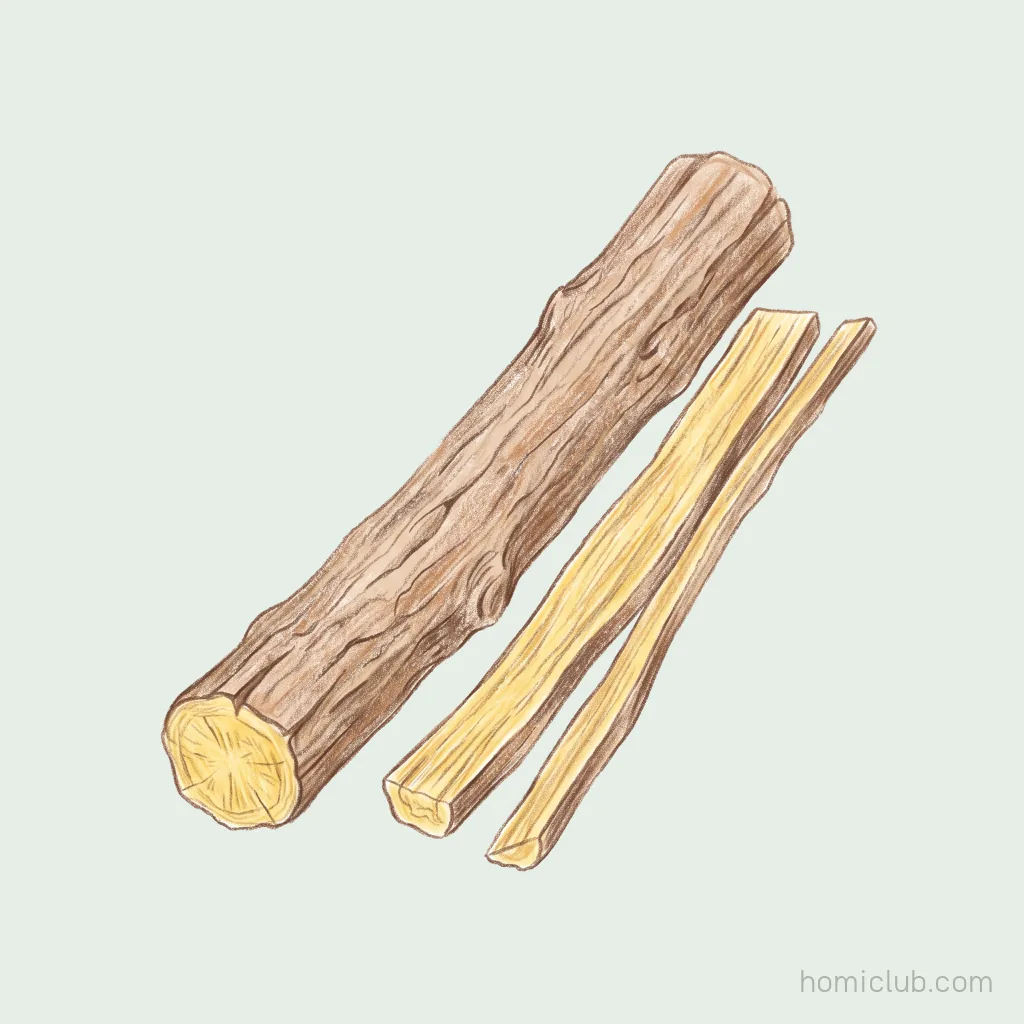
Nanga is a root dug in the second and eighth months and sun-dried; in Korean it goes by nangacho. Black and jagged, it looks like an animal's fang, which is just what the name says: wolf's tooth. The old text warns flatly that damp, rotted, mold-grown pieces are lethal.
Original, read line by line 東醫寶鑑 · Tangaek — Decoctions vol. 3
-
性寒, 味苦酸, 有毒.
Its nature is cold, its taste bitter and sour, and it is toxic.
-
主疥瘙惡瘍瘡痔, 殺寸白蟲, 及腹中一切蟲.
It governs scabies and itching, malignant ulcers, sores and piles, and kills tapeworms and every kind of worm in the abdomen.
-
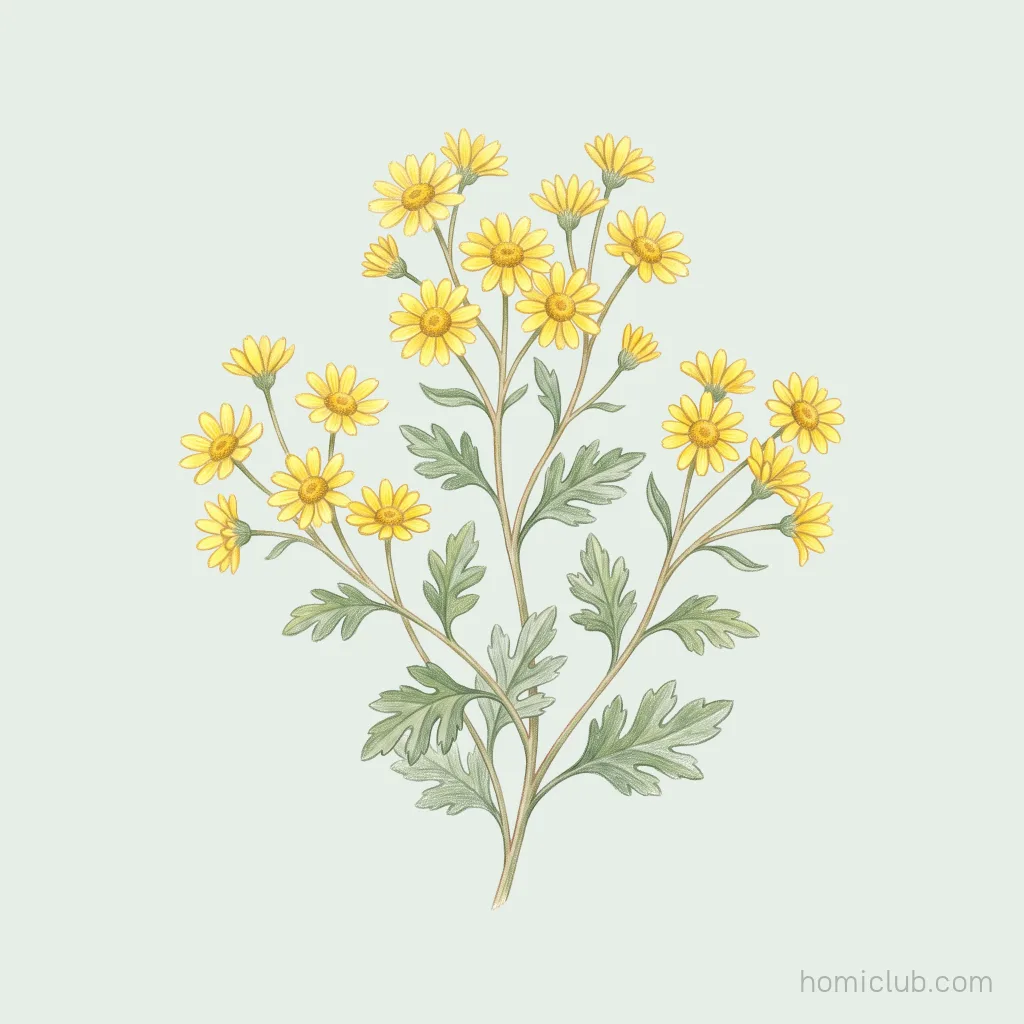
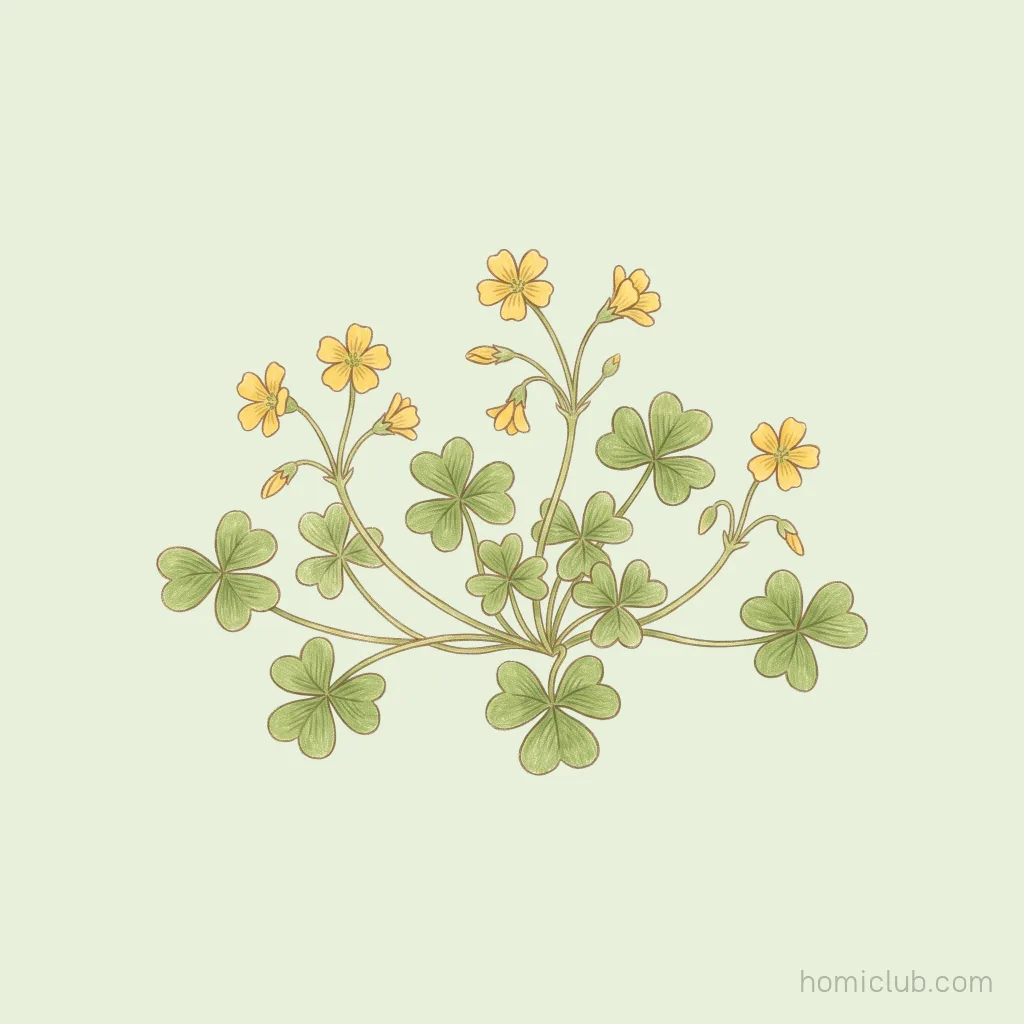
苗似蛇莓而厚大, 深綠色,
Its shoots are like those of snake strawberry (蛇莓) but thicker and larger, and deep green.
HomiclubToday the Korean plant name nangacho refers to Indigofera pseudotinctoria of the legume family (Fabaceae). In China, Potentilla cryptotaeniae of the rose family (Rosaceae) is called 狼牙委陵菜 (nangawireungchae), and the nanga (狼牙) of the 《Bonchogyeong (本草經)》 is given as its alternative name.
-
根黑若獸之齒牙, 故以名之.
Its root is black and like the teeth of a beast, and so it was named for this.
-
一名牙子, 二月八月採根, 暴乾.
It is also called aja (牙子). The root is dug in the second and eighth months and dried in the sun.
-
中濕腐爛生衣者, 殺人. 《本草》
Any that has taken damp, rotted and grown mold kills people. 《Boncho (本草)》
Herbs — more entries
This is a cultural and historical record from a classical text, not a claim about any food’s effects. Nothing here is a health supplement or intended to prevent or treat disease. Consult a medical professional about health concerns. · Text: Korean Medicine Classics DB, collated with the Jangseogak copy of the 1613 wooden movable-type edition · Reading: Homiclub