
Tangaek — Decoctions · Herbs
萹蓄 Prostrate Knotweed
 Related Crop · Prostrate Knotweed →
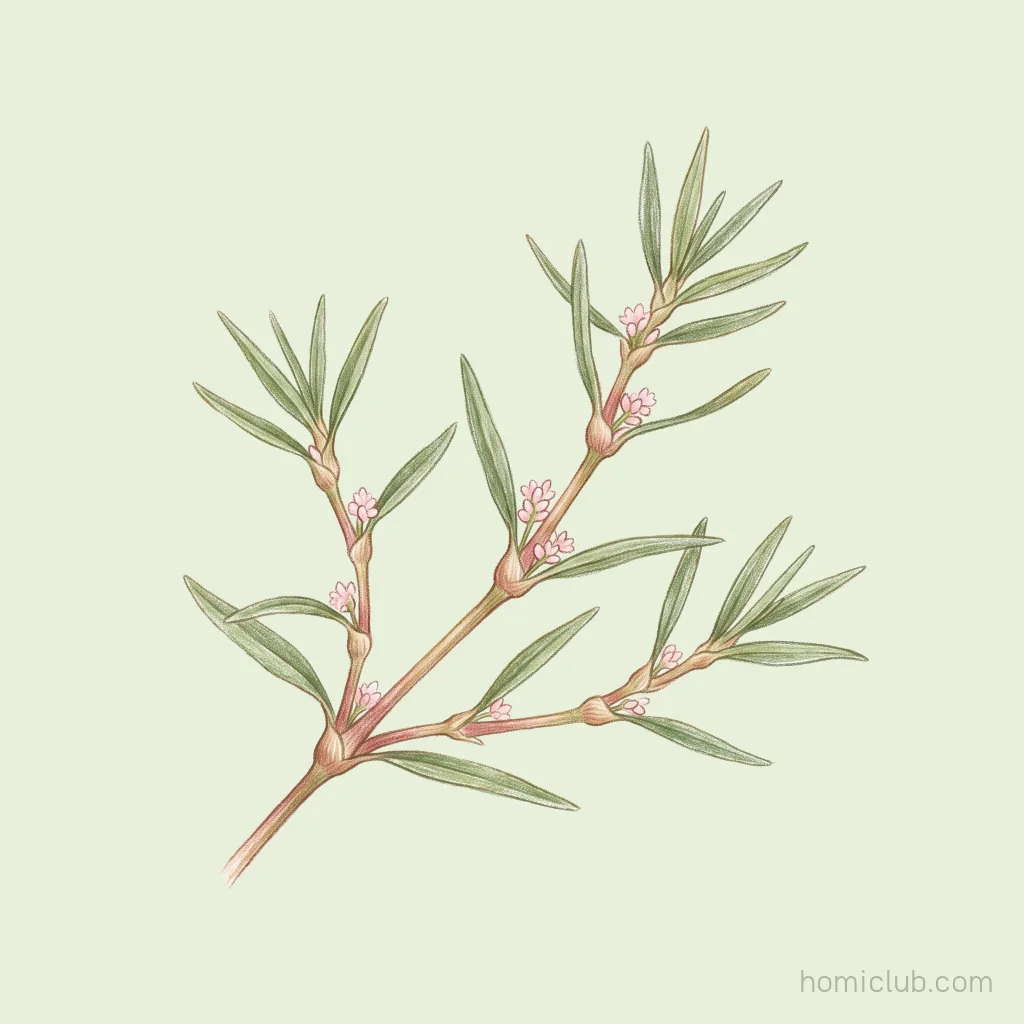
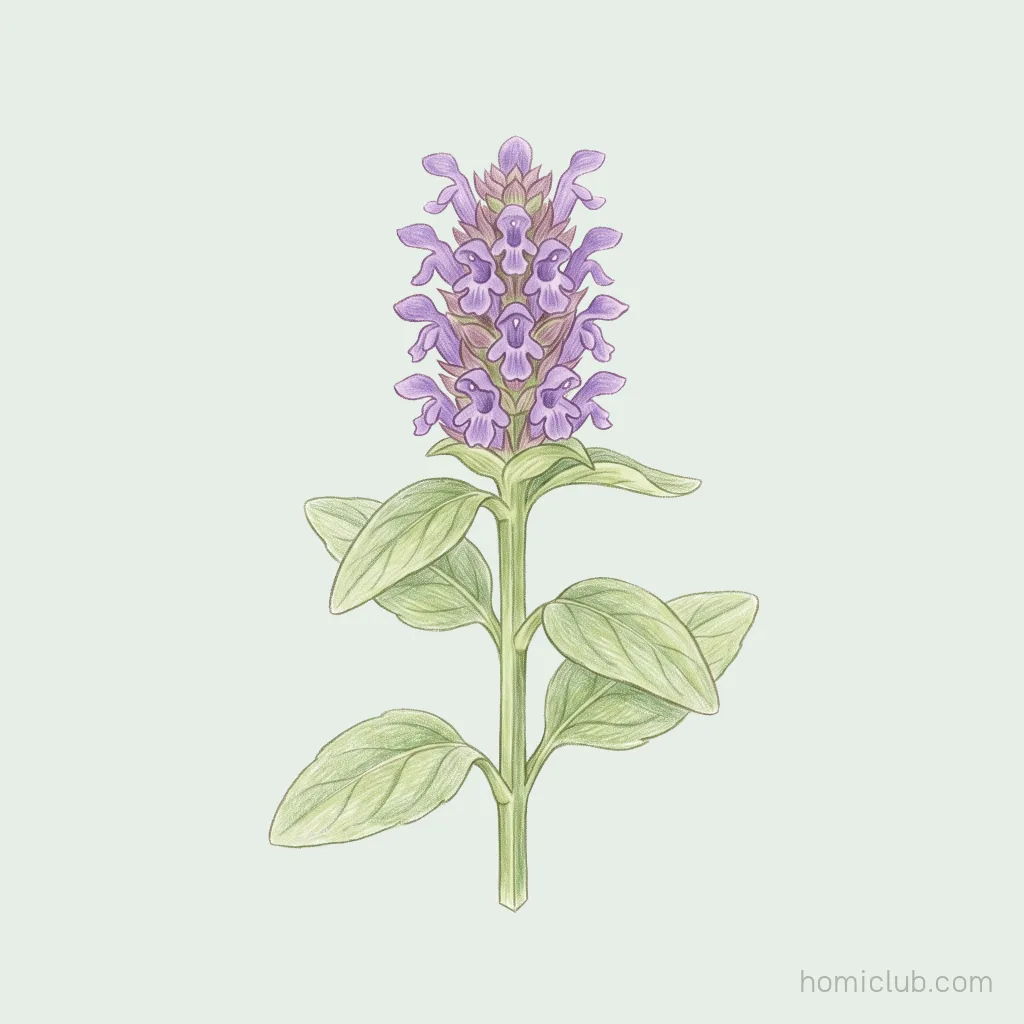
Pyeonchuk is knotgrass, the low annual that mats over paths and the gaps in a yard. Its Korean name points to the jointed stem, where tiny flowers open at each node. The Donguibogam likens the narrow green leaves to bamboo and set the harvest in the fifth month, dried in shade.
Original, read line by line 東醫寶鑑 · Tangaek — Decoctions vol. 3
-
性平, 味苦一云甘, 無毒.
Its nature is neutral, its taste bitter (some say sweet), and it is non-toxic.
-
主浸淫疥瘙, 疽痔. 殺三蟲, 療蛔痛, 除熱淋, 通小便.
It chiefly treats spreading scabies and itching, and jeochi (abscess and piles). It kills samchung (the three worms), treats pain from roundworm, clears yeollim (heat strangury), and promotes urination.
-
處處有之. 苗似瞿麥, 葉細綠如竹, 花生節間, 甚微細.
It is found everywhere. The shoots resemble gumaek (fringed pink), the leaves are slender and green like bamboo, and the flowers arise between the joints, exceedingly tiny.
HomiclubLeaves ring each joint of the stem with minute flowers tucked into the axils, which is why Korean calls it madi-pul, "joint grass." It creeps flat along paths and between yard stones.
-
五月採, 陰乾. 《本草》
It is gathered in the fifth month and dried in the shade. 《Boncho》
-
主大小便不通. 生水邊. 開紫花者爲佳. 搗取汁服. 《經驗》
It chiefly treats blockage of stool and urine. It grows by water. The kind bearing purple flowers is held to be best. Pound it, take the juice, and drink it. 《Gyeongheom》
Related Crop
Prostrate Knotweed →
Herbs — more entries
This is a cultural and historical record from a classical text, not a claim about any food’s effects. Nothing here is a health supplement or intended to prevent or treat disease. Consult a medical professional about health concerns. · Text: Korean Medicine Classics DB · Reading: Homiclub