
Tangaek — Decoctions · Herbs
虎杖根 Gamdyetbulhwi (감뎻불휘)
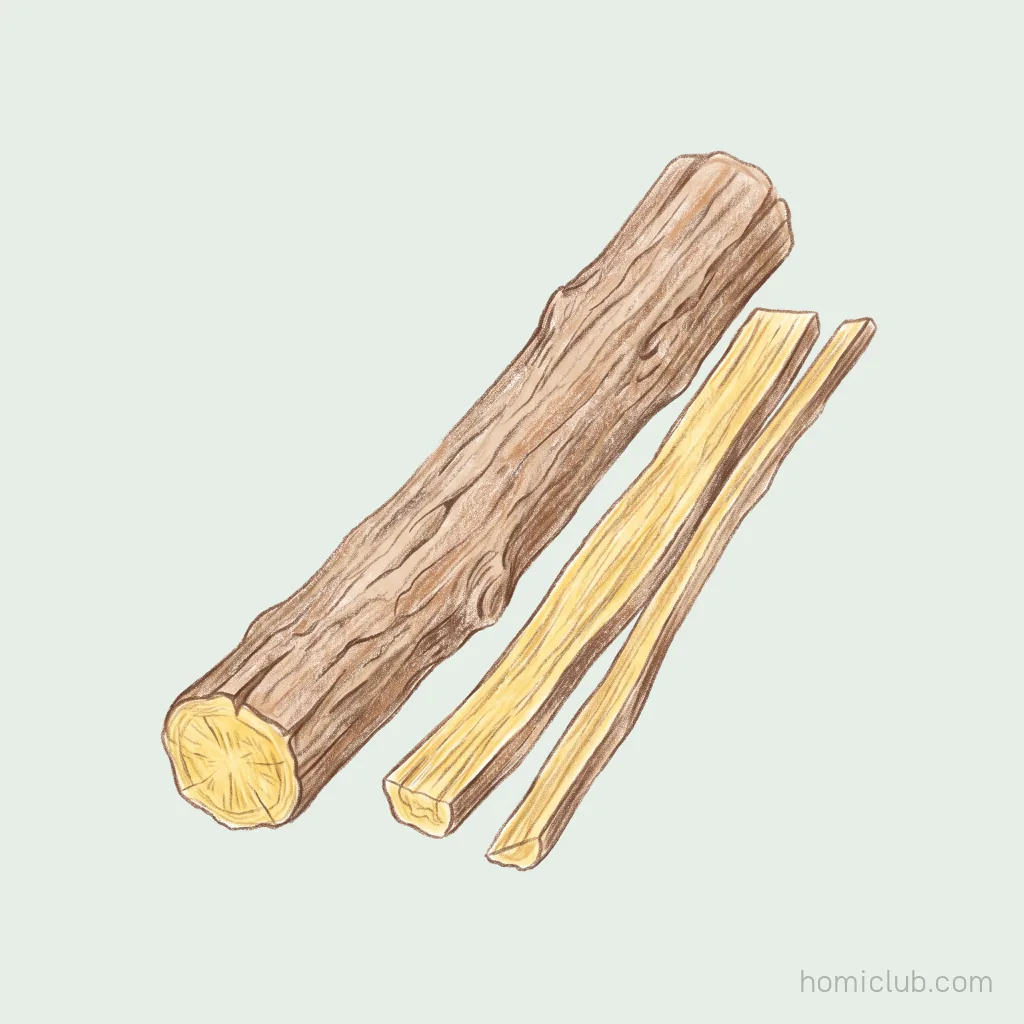
Hojanggeun is the rhizome of Japanese knotweed. Its old Korean name was gamdyet-bulhwi; the stem grows thick like a bamboo shoot and is flecked with red, which gave it the name hojang (虎杖), tiger's staff, along with gojang and daechungjang. Young shoots are eaten for their sourness, and the plant now spreads fast enough to be a nuisance.
Original, read line by line 東醫寶鑑 · Tangaek — Decoctions vol. 3
-
性微溫一云平, 味苦, 無毒.
Its nature is slightly warm — one account says neutral — its taste bitter, and it has no toxicity.
-
破留血癥結, 通利月水, 下産後惡血, 排膿.
It breaks up stagnant blood and bound masses, frees the menses, brings down foul blood after childbirth, and expels pus.
-
主瘡癤癰毒, 撲損瘀血.
It chiefly governs sores and boils, the toxin of abscesses, and static blood from blows and injuries.
-
利小便, 通五淋.
It promotes urination and frees the orim (five kinds of strangury).
-
一名苦杖, 一名大蟲杖.
One name is gojang (苦杖), another is daechungjang (大蟲杖).
Homiclub大蟲 was an old word for tiger, so daechungjang carries the same sense as hojang (虎杖), 'tiger staff'.
-
莖如竹笋狀, 上有赤斑點, 處處有之.
The stem is shaped like a bamboo shoot, with red speckles on its upper part, and it grows everywhere.
HomiclubToday it is called hojanggeun and is common on hillsides and along streams. The young spring shoots taste sour once peeled, so children chewed them, and the plant was also called beomsinga.
-
二月八月採. 《本草》
It is dug in the second and eighth months. 《Boncho (Materia Medica)》
Herbs — more entries
This is a cultural and historical record from a classical text, not a claim about any food’s effects. Nothing here is a health supplement or intended to prevent or treat disease. Consult a medical professional about health concerns. · Text: Korean Medicine Classics DB · Reading: Homiclub