
Tangaek — Decoctions · Herbs
鶴蝨 Yeouojumpul (여우오줌풀)
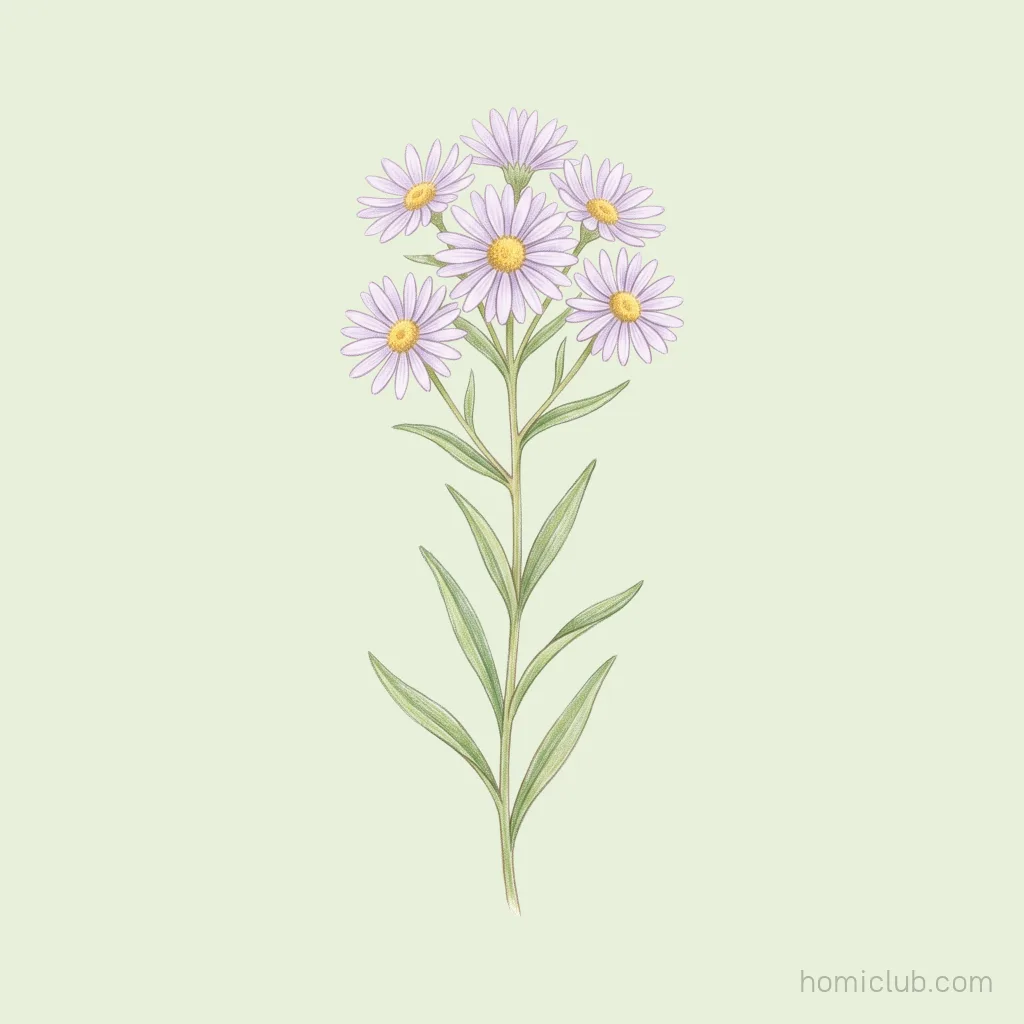
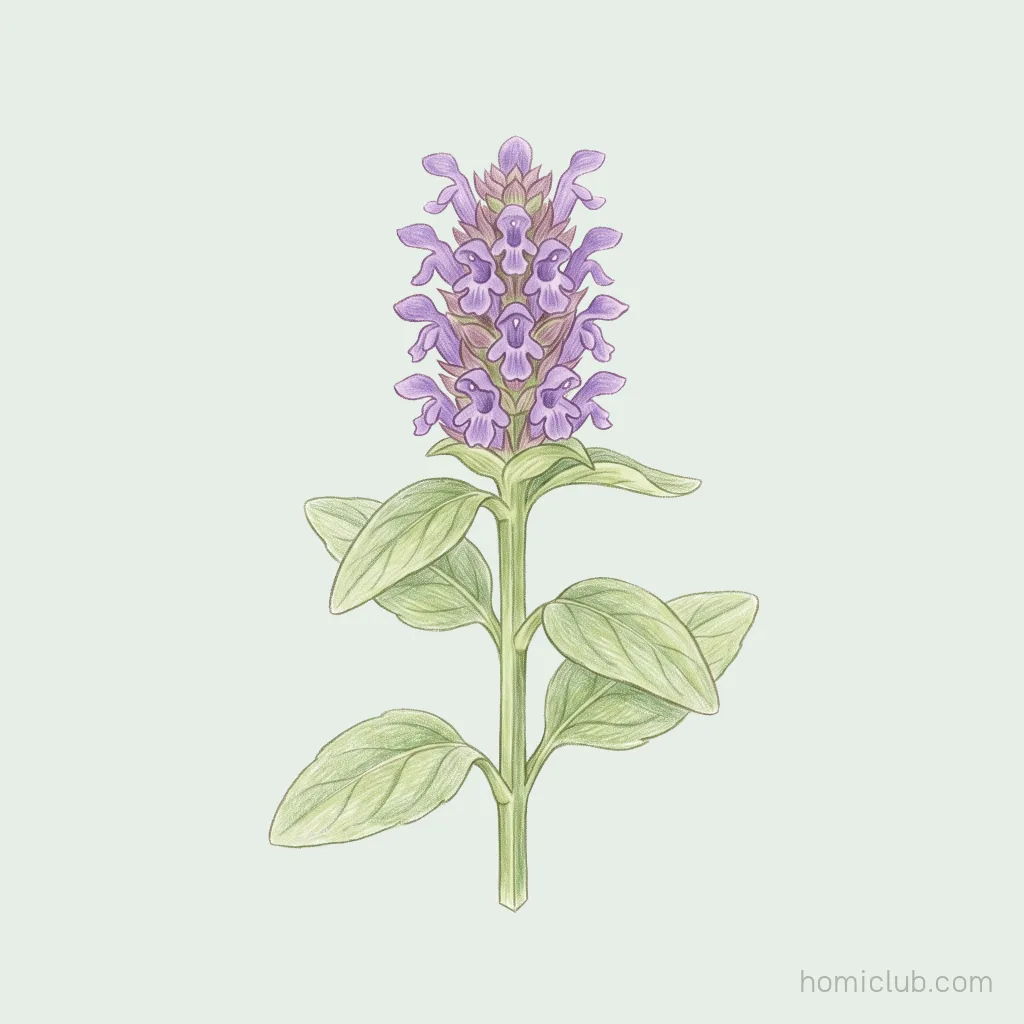
Hakseul is the seed and leafy stem of Carpesium, the plant Koreans call yeou-ojumpul, fox-piss weed. Its seeds are so minute that the name likens them to lice on a crane. Wrinkled leaves recall perilla; yellow-white flowers open in the seventh month and set fruit in the eighth.
Original, read line by line 東醫寶鑑 · Tangaek — Decoctions vol. 3
-
性平一云凉, 味苦, 有小毒.
Its nature is neutral (one account says cool), its taste bitter, and it carries slight toxicity.
-
殺五藏蟲及蛔蟲, 止瘧, 幷付惡瘡.
It kills worms of the five viscera and roundworms, halts malarial disease, and is also applied to malign sores.
-
苗葉皺似紫蘇.
Its shoots and leaves are wrinkled and resemble jasogi (紫蘇, perilla).
HomiclubThe Korean name yeou-ojum-pul ("fox-urine herb") comes from the rank smell released when the leaves and stem are rubbed. The plant is also called dambaepul today.
-
七月開黃白花, 八月結實, 子極細.
In the seventh month it opens yellow-white flowers, in the eighth month it sets fruit, and its seeds are exceedingly fine.
HomiclubHakseul (鶴蝨) means "crane louse", a name earned by seeds so tiny that they cling to clothing at a brush.
-
採無時, 合莖葉用之. 《本草》
There is no fixed season for gathering it, and stem and leaf are used together. 《Boncho》
Herbs — more entries
This is a cultural and historical record from a classical text, not a claim about any food’s effects. Nothing here is a health supplement or intended to prevent or treat disease. Consult a medical professional about health concerns. · Text: Korean Medicine Classics DB · Reading: Homiclub