
Tangaek — Decoctions · Trees
枸杞子 Goji Berry
 Related Crop · Goji Berry →
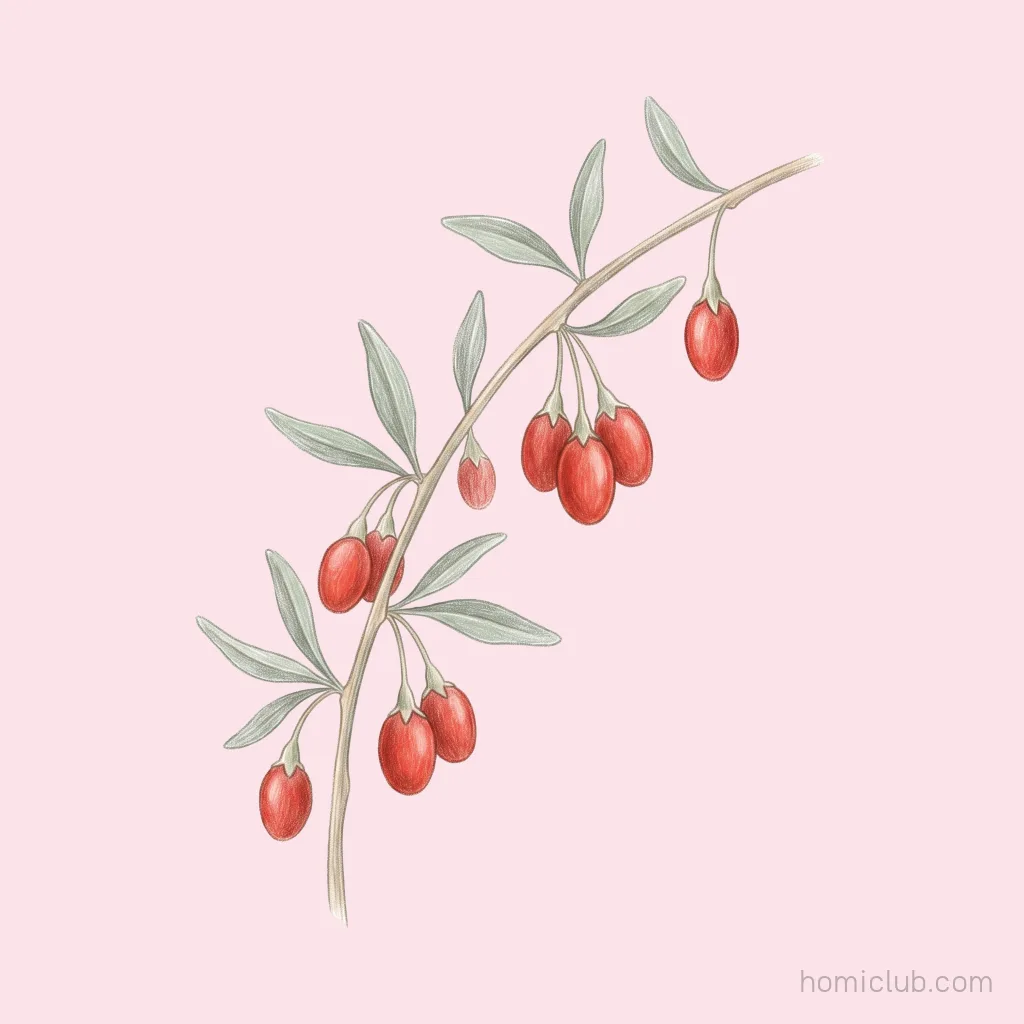
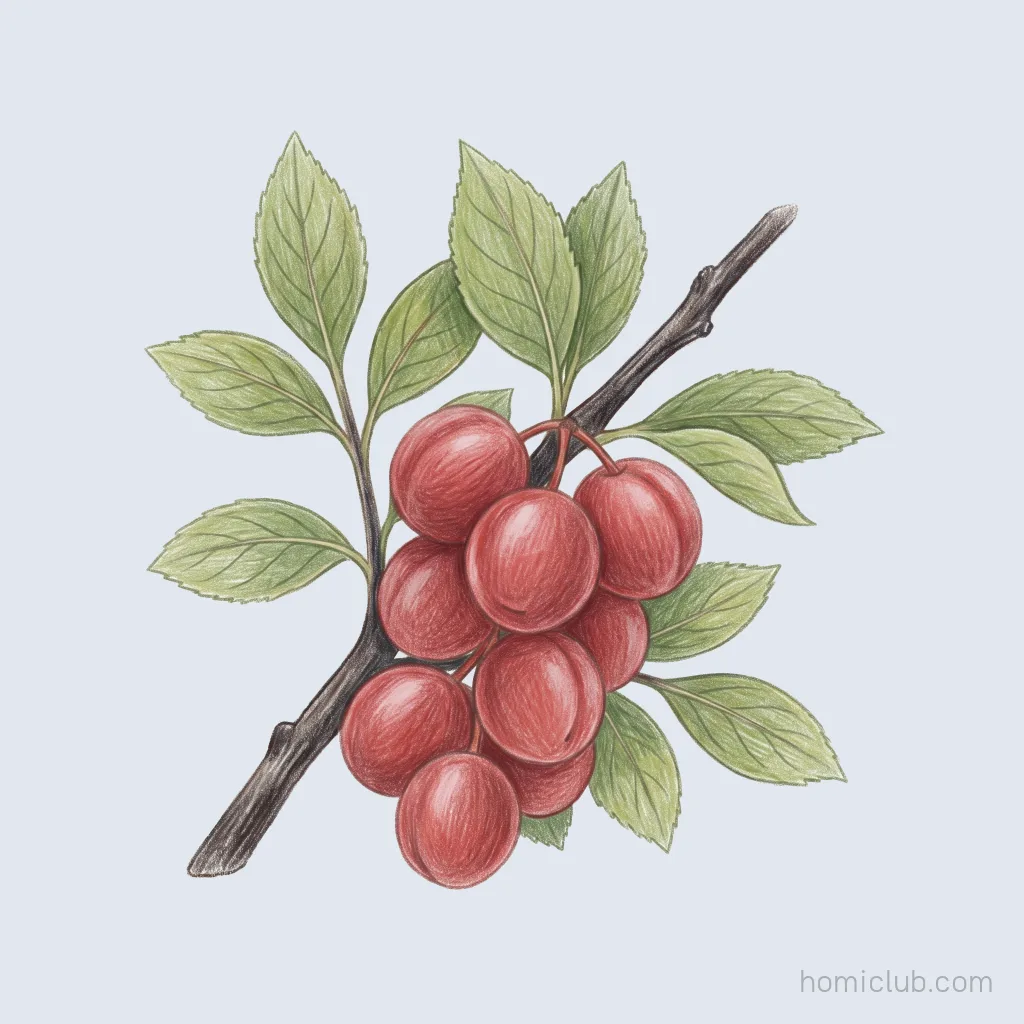
Gugija is the red berry of the goji shrub, the same berry dried for tea and wine today and the same plant as goji in the crop guide. The text notes that one shrub yields three named items: the berry gugija, the stem bark gugi, and the root bark jigol.
Original, read line by line 東醫寶鑑 · Tangaek — Decoctions vol. 3
-
性寒一云平, 味苦一云甘, 無毒.
Its nature is cold, though one account calls it neutral; its taste is bitter, though one account calls it sweet; and it is non-toxic.
HomiclubGugija is the red fruit of the wolfberry, a scrambling shrub of the nightshade family common on Korean stone walls and field edges. Its dried berries go into teas and steeped liquors.
-
補內傷大勞噓吸, 堅筋骨, 强陰, 療五勞七傷, 補益精氣, 易顔色變白, 明目安神, 令人長壽.
It supplements internal damage and the panting of great taxation, firms the sinews and bones, and strengthens eum (陰, yin). It treats the oro chilsang (五勞七傷, five taxations and seven damages), replenishes essence and qi, changes the complexion to fairness, brightens the eyes, settles the sin (神, spirit), and makes a person long-lived.
-
一名地仙, 一名仙人杖, 處處有之. 春夏採葉, 秋採莖實.
It is also called jiseon (地仙) and seoninjang (仙人杖), and it is found everywhere. The leaves are picked in spring and summer, the stems and fruit gathered in autumn.
-
久服之, 皆輕身益氣. 嫩葉作羹茹食之, 甚佳. 色白無刺者良.
Taken long, all parts lighten the body and augment qi. The young leaves make an excellent soup or potherb. Plants pale in colour and without thorns are the good ones.
HomiclubThe young leaves are still eaten as a potherb and roasted for tea under the name gugiyeop. The stems sometimes carry short thorns.
-
莖名枸杞, 根名地骨. 枸杞當用梗皮, 地骨當用根皮, 枸杞子當用其紅實, 是一物有三用.
The stem is called gugi (枸杞) and the root jigol (地骨). For gugi one should use the stem bark, for jigol the root bark, and for gugija the red fruit; thus one plant has three uses.
-
其梗皮寒, 根皮大寒, 子微寒, 性亦三等.
Its stem bark is cold, its root bark greatly cold, and its fruit slightly cold; thus the nature too falls into three grades.
-
陜西枸杞子如櫻桃, 全少核, 極有味. 《本草》
The wolfberries of Seomseo (陜西, Shaanxi) are like cherries, with very few seeds and superb in taste. 《Boncho (本草)》
HomiclubSeomseo is today's Shaanxi province. The best-known growing region now is Ningxia to its west, while in Korea the crop centres on Cheongyang in South Chungcheong.
Related Crop
Goji Berry →
Reading on Goji Berry
Trees — more entries

This is a cultural and historical record from a classical text, not a claim about any food’s effects. Nothing here is a health supplement or intended to prevent or treat disease. Consult a medical professional about health concerns. · Text: Korean Medicine Classics DB · Reading: Homiclub