
Tangaek — Decoctions · Herbs
菰根 Manchurian Wild Rice
 Related Crop · Manchurian Wild Rice →
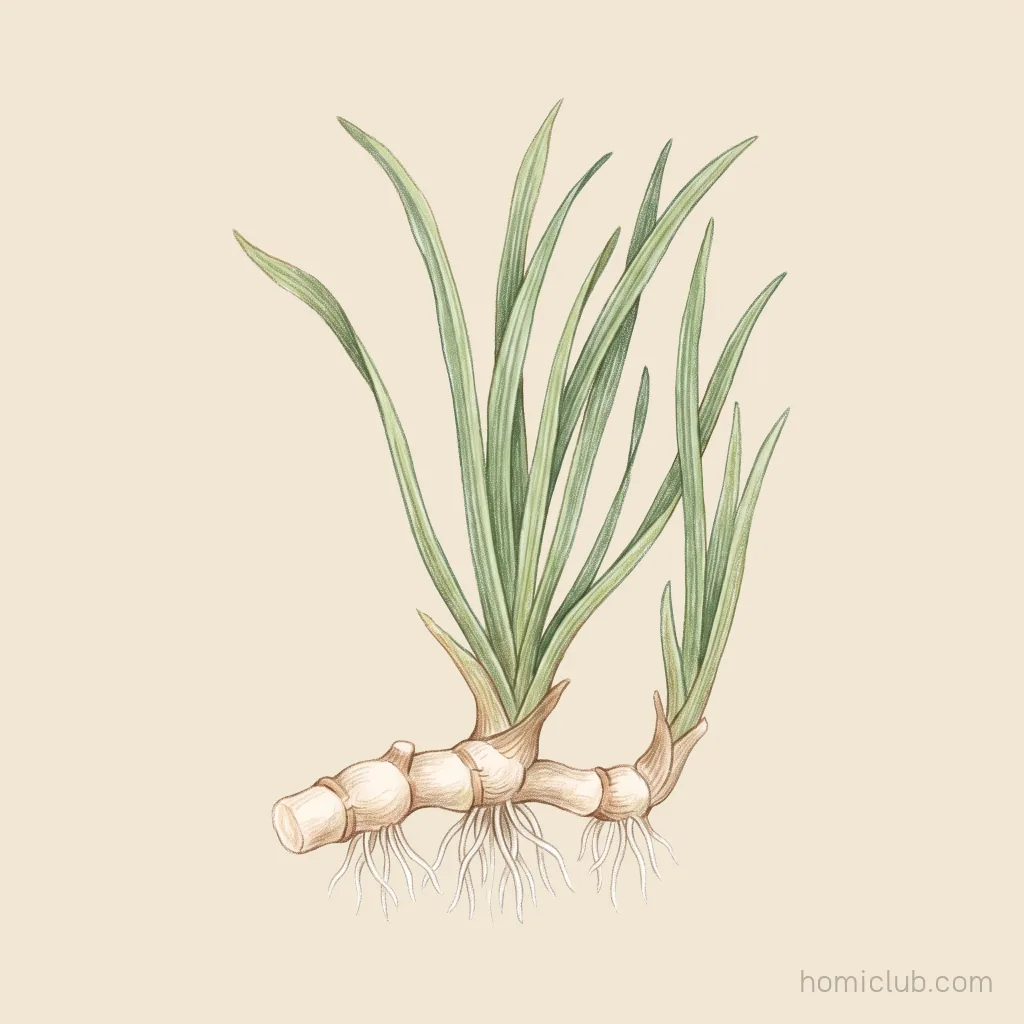
Gogeun is the root of Manchurian wild rice, a water grass with leaves like sugarcane or reed. The mushroom-like swelling of summer was called gochae and the white stalk rising from plants over three years old gosu, both eaten; the autumn grain, johomi, was cooked as rice.
Original, read line by line 東醫寶鑑 · Tangaek — Decoctions vol. 3
-
性大寒, 味甘, 無毒.
Its nature is very cold, its taste sweet, and it is without toxicity.
-
主腸胃痼熱, 止消渴, 除目黃, 利大小便.
It governs long-standing heat in the intestines and stomach, stops sogal (wasting-thirst), removes yellowing of the eyes, and frees urination and defecation.
-
止熱痢.
It stops yeolli (heat dysentery).
-
療酒㾴面赤.
It treats jusa (drink-induced red nose) and redness of the face.
-
然滑中, 不可多食.
However, it makes the center slippery, so it must not be eaten in quantity.
-
生水中, 葉如蔗荻, 久根盤厚.
It grows in water; its leaves resemble sugarcane and reed, and with age the root coils and thickens.
HomiclubJul-pul (Zizania latifolia) is a perennial grass that grows in clumps in shallow water at pond margins and paddy banks.
-
夏月生菌堪食, 名菰菜.
In summer a fungus-like growth appears that is fit to eat; it is called gochae.
-
三年已上, 中心生白臺如藕, 白軟堪啖. 名菰首.
After three years or more a white stalk like a lotus root rises from its center; it is white and soft and fit to eat. It is called gosu.
HomiclubThis swollen stem base is the vegetable sold today as jiaobai, or water bamboo, in Chinese cooking.
-
至秋結實, 乃彫胡米, 可作飯. 《本草》
In autumn it bears seed, namely johomi, which can be cooked as rice. 《Boncho (Materia Medica)》
HomiclubThis grain comes from the same genus as the wild rice of North America.
Related Crop
Manchurian Wild Rice →
Herbs — more entries

This is a cultural and historical record from a classical text, not a claim about any food’s effects. Nothing here is a health supplement or intended to prevent or treat disease. Consult a medical professional about health concerns. · Text: Korean Medicine Classics DB · Reading: Homiclub