
Tangaek — Decoctions · Herbs
連翹 Yeongyo (연교)

Yeongyo is the fruit of a forsythia, the shrub that opens yellow in spring. Its capsule ripens in autumn and splits down the middle. The name, the text explains, comes from the way the segments lie side by side like feathers (翹).
Original, read line by line 東醫寶鑑 · Tangaek — Decoctions vol. 3
-
性平, 味苦, 無毒.
Its nature is neutral, its taste bitter, and it has no toxicity.
-
主瘰癧, 癰腫, 惡瘡, 癭瘤, 結熱, 蠱毒.
It chiefly governs naryeok (scrofula), abscess swellings, malignant sores, yeongnyu (goitres and lumps), bound heat, and godok (gu poisoning).
-
排膿, 治瘡癤, 止痛.
It expels pus, treats sores and boils, and stops pain.
-
療五淋, 小便不通, 除心家客熱.
It cures the orim (five stranguries) and blocked urination, and removes invading heat lodged in the heart.
-
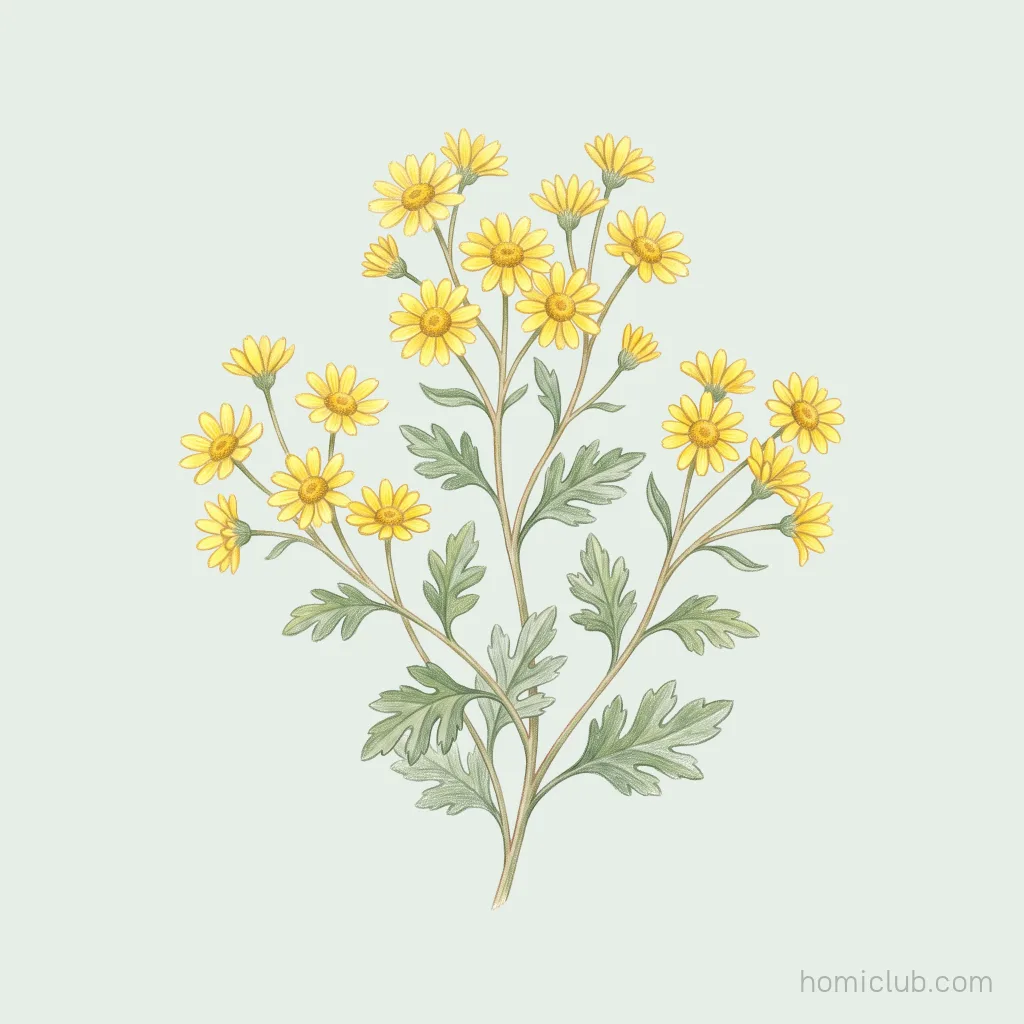
葉似水蘇, 莖赤色, 高三四尺, 花黃可愛.
Its leaves resemble suso (水蘇, hedge-nettle), its stem is red, it stands three or four ja (feet) tall, and its flowers are yellow and lovely.
HomiclubForsythias (gaenari in Korean), the shrubs that bear yeongyo, flower before they leaf out in spring. With their long arching branches, they are often planted along walls as hedges.
-
秋結實作房, 剖之中解, 纔乾便落, 不着莖.
In autumn it sets fruit forming a capsule; split open, it parts down the middle, and as soon as it dries it falls, not clinging to the stem.
HomiclubThe Korean herbal standard defines yeongyo as the fruit of Uiseong forsythia (Forsythia viridissima) or of the Chinese species F. suspensa, and divides it into cheonggyo (靑翹), picked as it begins to ripen while still green and then steamed and dried, and nogyo (老翹), picked fully ripe.
-
在處有之, 但樹老乃有子, 故難得.
It grows everywhere, but only an old tree bears seed, so the fruit is hard to obtain.
HomiclubForsythias have separate plants bearing long-styled and short-styled flowers, and flowers of the same form seldom set fruit even when pollen passes between them. Cultivated forsythia is often planted in rows of clones raised from cuttings of a single plant, so its fruit is rarely seen.
-
其實片片相比如翹, 故以爲名. 《本草》
Its fruit, with its segments set side by side like a gyo (翹, a bird's long tail feather), is the reason for the name. 《Boncho (本草)》
Homiclub翹 denotes the long tail feather of a bird. The name likens the dried fruit, split into two halves, to that feather.
-
手足少陽ㆍ陽明經藥也.
It is a medicine for the hand and foot soyang and yangmyeong channels.
-
入手少陰經.
It enters the hand soeum channel.
-
去瓤用之.
The pith is removed before it is used.
-
瘡瘻癰腫, 不可缺也. 《入門》
For fistulous sores and abscess swellings it cannot be dispensed with. 《Immun (入門)》
Herbs — more entries
This is a cultural and historical record from a classical text, not a claim about any food’s effects. Nothing here is a health supplement or intended to prevent or treat disease. Consult a medical professional about health concerns. · Text: Korean Medicine Classics DB, collated with the Jangseogak copy of the 1613 wooden movable-type edition · Reading: Homiclub