
Tangaek — Decoctions · Herbs
何首烏 Fleeceflower
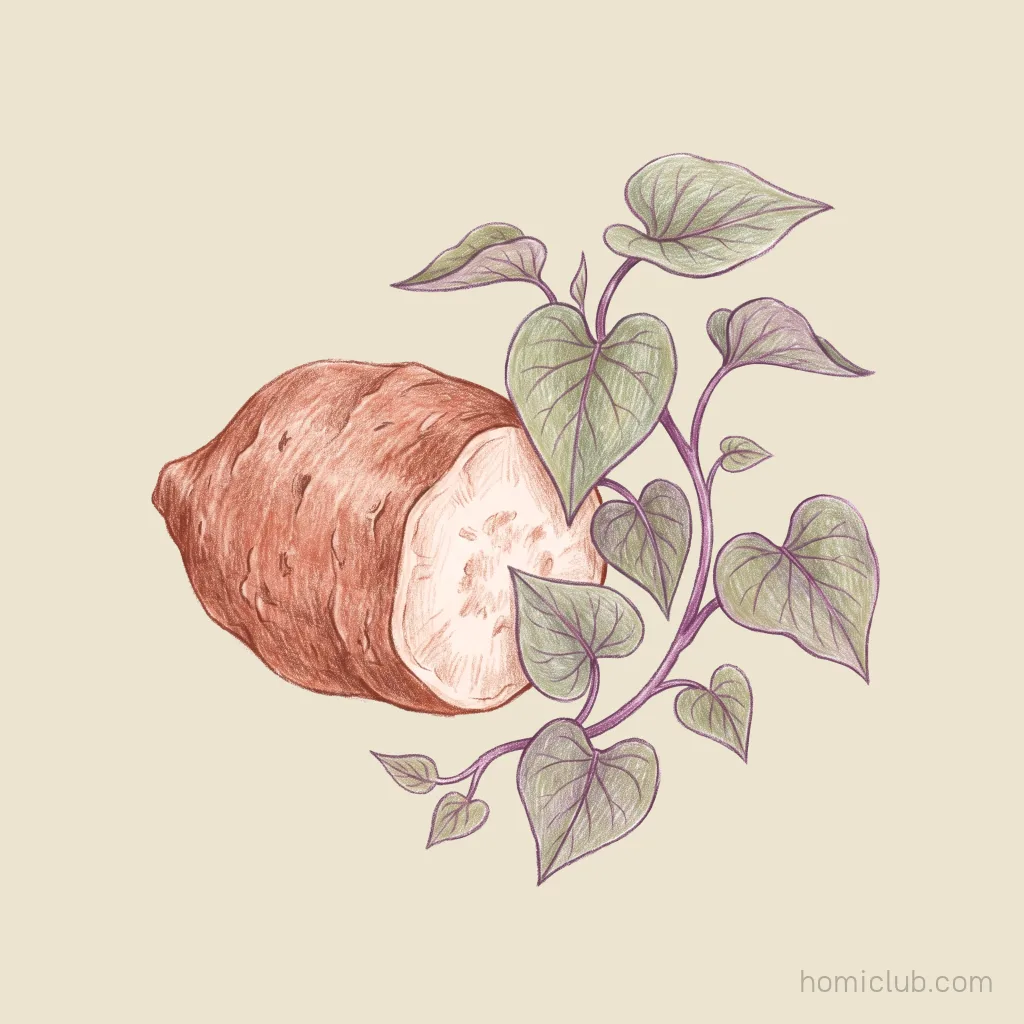 Related Crop · Fleeceflower →
Hasuo is the dried tuberous root of a knotweed-family vine. The old texts split it into a red kind and a white kind; in Korea the white slot is often filled by a different plant, eunjorong, so the names get tangled. The name comes from a tale about a man called Ha Su-o, and the text warns against letting iron tools touch the root.
Original, read line by line 東醫寶鑑 · Tangaek — Decoctions vol. 3
-
性平溫, 味苦澁一云甘, 無毒.
Its nature is neutral to warm, the taste bitter and astringent (some say sweet), and it carries no toxicity.
-
主瘰癧.
It treats scrofula, the lumpy swellings that form around the neck.
-
消癰腫五痔.
It disperses abscesses and swellings, and clears the five kinds of hemorrhoids.
-
治積年勞瘦, 痰癖, 風虛敗劣.
It treats long-standing exhaustion and emaciation, phlegm congestion, and the collapse of vitality from wind-deficiency.
-
療婦人産後諸疾, 帶下赤白.
It heals the various ailments women suffer after childbirth, including red and white vaginal discharge.
-
益血氣, 壯筋骨, 塡精髓, 黑毛髮, 悅顔色, 駐顔延年.
It nourishes blood and qi, strengthens sinews and bones, replenishes essence and marrow, blackens the hair, brightens the complexion, and prolongs youthful vigor and life.
-
本名夜交藤, 因何首烏服而得名.
Its original name was yagyodeung (night-mating vine), but it took on the name He Shou Wu after a man by that name took it as medicine.
-
此人生而閹弱, 年老無妻子.
This man had been frail and impotent from birth, and grew old without wife or children.
-
一日醉臥田中, 見一藤兩本異生, 苗蔓相交, 釋合三四心異之,
One day, lying drunk in a field, he saw two vines growing from different roots whose stems and leaves entwined and parted three or four times over, which struck him as strange.
-
遂採根暴乾, 搗末酒服.
He dug up the roots, dried them in the sun, ground them into powder, and took them mixed with wine.
-
七日而思人道, 百日久疾皆愈, 十年生數男, 壽至一百三十歲.
In seven days his desire for intimacy returned, in a hundred days his chronic ailments were cured, within ten years he fathered several sons, and he lived to the age of one hundred and thirty.
-
蔓紫, 花黃白, 葉如薯蕷而不光, 生必相對, 根大如拳.
The vine is purple, the flowers yellowish-white, the leaves resemble yam leaves but lack their gloss, the plants always grow in facing pairs, and the roots are the size of a fist.
-
有赤白二種, 赤者雄, 白者雌.
There are two kinds, red and white: the red is male and the white is female.
-
根形如鳥獸山岳之狀者, 珍也.
Roots shaped like birds, beasts, or mountain peaks are prized as treasures.
-
春末夏中初秋, 候淸明日, 兼雌雄採之,
It is gathered in late spring, midsummer, or early autumn on a clear day, taking both the male and female roots together.
-
以竹刀或銅刀去皮, 薄切, 蒸暴.
The skin is removed with a bamboo or copper knife, then the root is sliced thin, steamed, and dried in the sun.
-
一名交藤, 一名夜合, 一名九眞藤.
It is also called gyodeung (entwining vine), yahap (night-joining), and gujindeung (nine-truths vine).
-
終始勿犯鐵, 忌食葱ㆍ蒜ㆍ蘿葍ㆍ猪羊血ㆍ無鱗魚.
From start to finish it must never touch iron, and one should avoid eating it with scallions, garlic, radish, pig or sheep blood, or scaleless fish.
-
凡修合藥, 須雌雄相合喫有驗. 《本草》
Whenever it is prepared as medicine, the male and female roots must be combined and taken together for the remedy to be effective. (Bencao)
-
米泔浸一宿, 切片, 曬乾搗碎.
Soak it overnight in rice-washing water, slice it thin, sun-dry it, and crush it into pieces.
-
如作丸則黑豆汁拌蒸, 曬乾用. 《入門》
When making it into pills, mix it with black-bean broth, steam it, then sun-dry it before use. (Ipmun)
Related Crop
Fleeceflower →
Herbs — more entries
This is a cultural and historical record from a classical text, not a claim about any food’s effects. Nothing here is a health supplement or intended to prevent or treat disease. Consult a medical professional about health concerns. · Text: Korean Medicine Classics DB · Reading: Homiclub